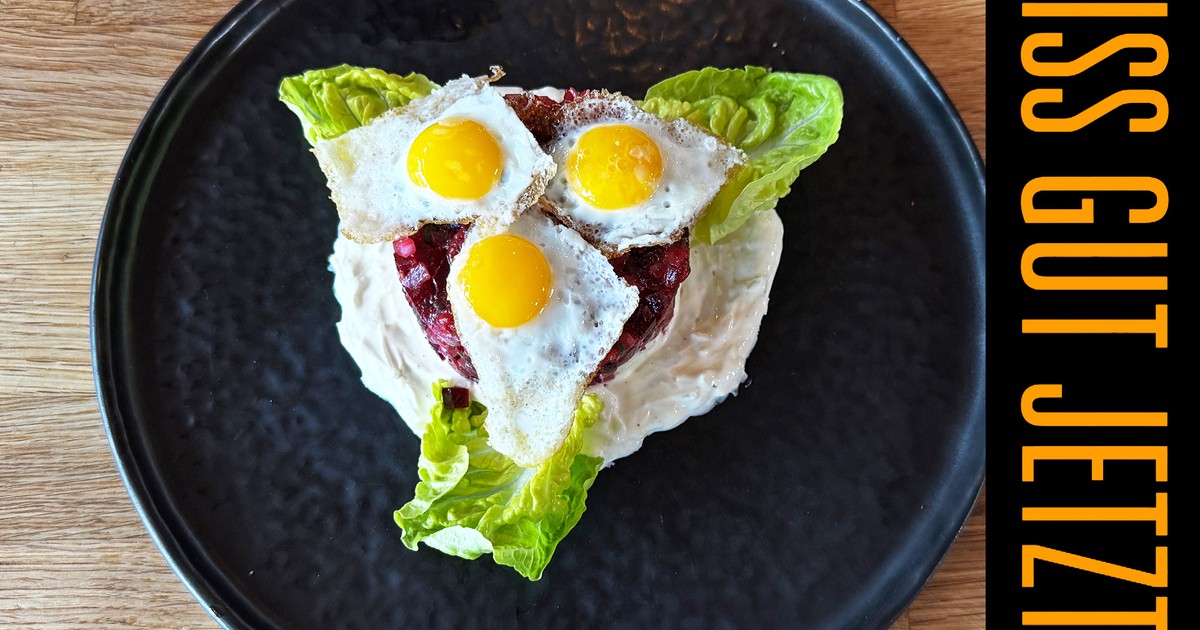
The culinary world is buzzing about the latest episode of “Easy Reiser Spezial,” Staffel 6, Folge 6, which features a visually stunning and flavor-packed dish: Rote Beete-Rindertatar mit Wachtelspiegelei – beet-beef tartare with a quail egg. While the initial recipe details were sparse, focusing on core ingredients, a deeper dive reveals a sophisticated preparation that blends traditional German cuisine with modern techniques. The episode, recently aired on TV Mainfranken, showcases chef Easy Reiser’s innovative approach to seasonal ingredients and his commitment to delivering accessible yet refined dishes.
The dish itself is a testament to Reiser’s philosophy of highlighting the natural flavors of high-quality ingredients. The combination of finely chopped raw beef, earthy beets, and a perfectly cooked quail egg creates a harmonious balance of textures and tastes. The use of capers, mustard, and a hint of sage and fennel seed further elevates the dish, adding layers of complexity. This isn’t simply a tartare; it’s a carefully constructed culinary experience designed to showcase the versatility of both beef and beetroot. The show’s popularity stems from its ability to inspire home cooks to experiment with new flavors and techniques, and this episode is no exception.
Deconstructing the Rote Beete-Rindertatar: A Closer Look at the Ingredients and Preparation
The foundation of this dish is, of course, the beef. The recipe calls for approximately 400g of beef from the hip, traditionally known as Hüftfleisch in German. Selecting a high-quality cut is crucial for achieving the desired tenderness and flavor. According to culinary experts, the hip is a lean but flavorful cut, making it ideal for tartare when properly prepared. The beef is finely chopped, almost minced, to create a delicate texture. This process requires a sharp knife and a steady hand to avoid bruising the meat, which can affect its color and texture.
The beets, a vibrant ruby red, are not simply added raw. The episode details a process of “schmoren,” or braising, the beets, which intensifies their sweetness and softens their texture. This pre-cooking step is essential for balancing the raw beef and ensuring a harmonious flavor profile. The recipe specifies two braised beets, but the exact variety isn’t mentioned. However, beets like Chioggia or Detroit Dark Red would be suitable choices, offering both color and flavor. The NDR.de recipe for Rindersteaks und Rote Bete nach Labskaus-Art also highlights the importance of preparing the beets before combining them with other ingredients, demonstrating a common culinary approach in German cuisine. NDR.de
Alongside the beef and beets, a supporting cast of ingredients adds depth and complexity. A single shallot, finely diced and lightly sautéed, provides a subtle oniony sweetness. Capers contribute a briny tang, while mustard adds a touch of sharpness. The inclusion of olive oil, salt, pepper, sage, and fennel seed rounds out the flavor profile, creating a savory and aromatic experience. The use of sage and fennel seed is particularly noteworthy, as these herbs are often used in German cuisine to complement the flavors of beef and root vegetables.
The Art of the Wachtelspiegelei: Perfecting the Quail Egg
The crowning glory of this dish is the Wachtelspiegelei – the quail egg fried sunny-side up. While seemingly simple, achieving a perfectly cooked quail egg requires precision and attention to detail. The yolk should be runny and vibrant, while the white should be set but still tender. The episode likely demonstrates the technique of poaching the egg, as described in the TV Mainfranken recipe details. TV Mainfranken This involves creating a gentle whirlpool in simmering water, carefully lowering the egg into the center, and allowing it to cook for 4-5 minutes. Adding a splash of vinegar to the water helps the egg white coagulate and maintain its shape.
Quail eggs, smaller and more delicate than chicken eggs, offer a unique flavor and visual appeal. Their rich yolk-to-white ratio contributes to a more intense flavor experience. They are also considered a delicacy in many parts of the world, adding a touch of sophistication to any dish. The contrast between the vibrant orange yolk and the deep red of the beet-beef tartare creates a visually stunning presentation, further enhancing the dining experience.
Beyond the Recipe: The Broader Context of German Cuisine and Chef Easy Reiser
“Easy Reiser Spezial” is a popular German cooking show known for its accessible recipes and focus on regional ingredients. Chef Easy Reiser has become a household name in Germany, celebrated for his ability to simplify complex culinary techniques and inspire home cooks. His approach emphasizes fresh, seasonal produce and traditional German flavors, often with a modern twist. The show’s success lies in its ability to connect with viewers on a personal level, offering practical cooking tips and showcasing the rich culinary heritage of Germany.
German cuisine, often characterized by hearty dishes and robust flavors, is undergoing a renaissance. Chefs like Easy Reiser are leading the charge, challenging traditional notions and embracing innovation. There’s a growing emphasis on sustainability, local sourcing, and healthy eating, which is reflected in the show’s recipes. The Rote Beete-Rindertatar exemplifies this trend, showcasing the versatility of beetroot and the potential for creating elegant and flavorful dishes using simple ingredients.
The Significance of Rote Bete (Beetroot) in German Cuisine
Beetroot, or Rote Bete as it’s known in German, has a long and storied history in German cuisine. It’s a versatile vegetable that can be prepared in countless ways – boiled, roasted, pickled, or even eaten raw. Traditionally, beetroot was a staple food for peasants and working-class families, providing a nutritious and affordable source of vitamins and minerals. Today, it’s enjoyed by people of all backgrounds and is often featured in salads, soups, and stews. The vibrant color of beetroot also makes it a popular ingredient in natural food dyes.
Key Takeaways
- The Rote Beete-Rindertatar is a sophisticated dish that showcases the flavors of beef and beetroot.
- Proper preparation of the beets, including braising, is crucial for achieving a balanced flavor profile.
- Perfecting the Wachtelspiegelei requires precision and attention to detail.
- Chef Easy Reiser is a leading figure in the modern German culinary scene, known for his accessible recipes and focus on regional ingredients.
- Beetroot has a long and rich history in German cuisine, serving as a versatile and nutritious staple food.
As “Easy Reiser Spezial” continues to captivate audiences, viewers can expect more innovative and inspiring recipes that celebrate the best of German cuisine. The show’s commitment to quality ingredients, accessible techniques, and a passion for flavor ensures its continued success. The next episode is scheduled to air on March 10th, 2026, and promises another exciting culinary adventure. Be sure to check your local TV listings or visit the TV Mainfranken website for more information. We encourage you to share your own culinary creations and experiences in the comments below!
Keep reading