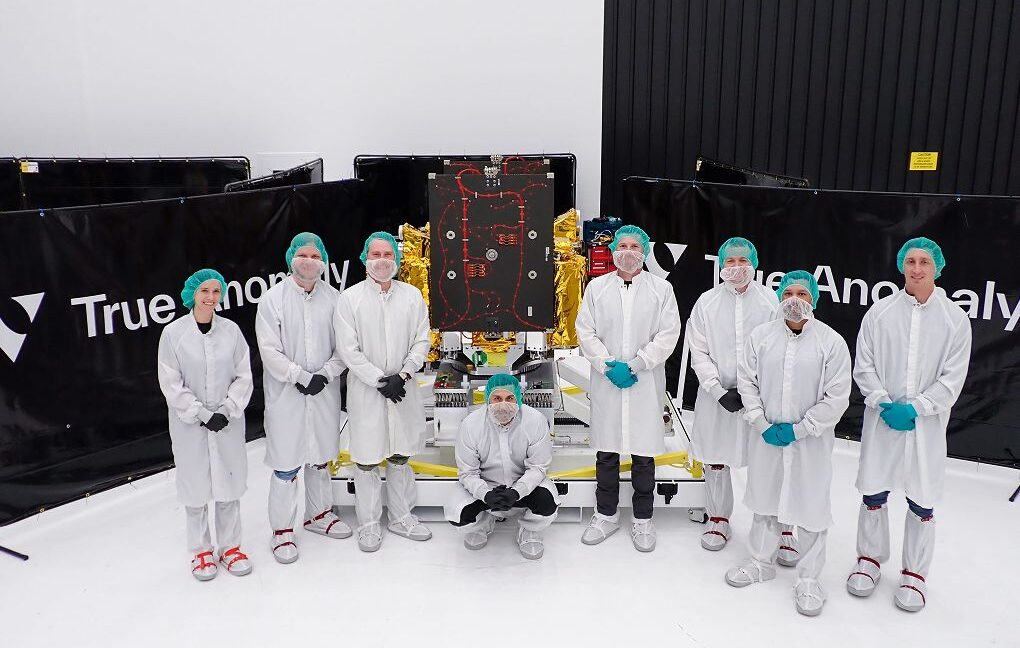
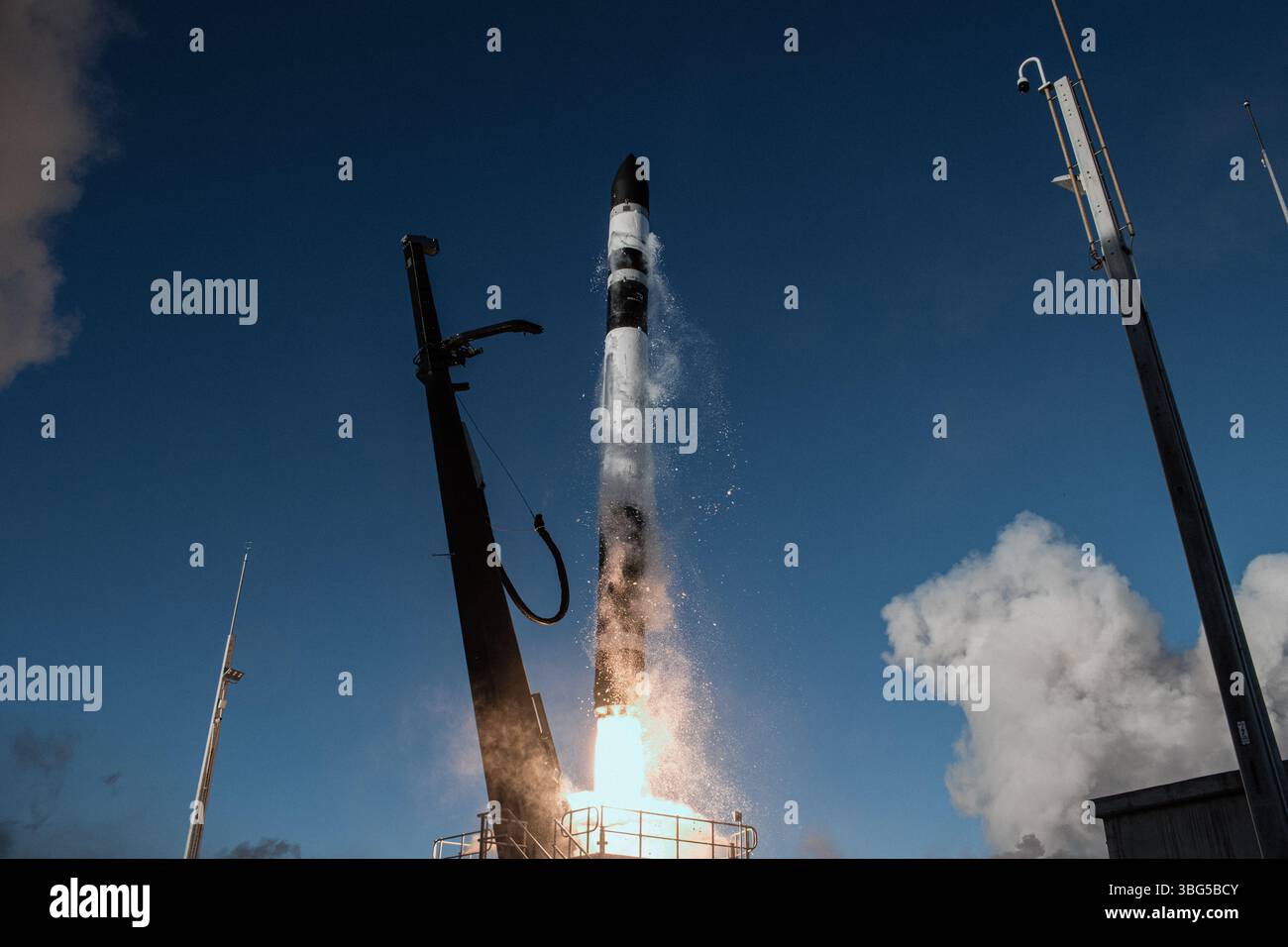
The United States Space Force recently conducted a rapid-response space exercise involving the launch of a small satellite from New Zealand, a mission that proceeded with minimal public disclosure. The operation, which took place on Friday, involved a launch from the Māhia Peninsula via a Rocket Lab Electron vehicle. According to the Space Track catalog—the official U.S. military repository for objects in Earth’s orbit—the satellite, designated Victus Haze Puma, was successfully deployed into a polar orbit.
This mission highlights the growing emphasis on “tactical responsive space” capabilities, a strategic initiative designed to test the military’s ability to launch and operate assets on short notice during a potential conflict. While the Space Force has publicly discussed the need for such agility, the specific details regarding this exercise were not accompanied by the typical high-profile press releases or real-time digital broadcasts often associated with private aerospace ventures.
Understanding Tactical Responsive Space
The concept of tactical responsive space centers on the military’s requirement to replenish or augment satellite constellations under duress. By utilizing commercial launch providers like Rocket Lab, the Department of Defense aims to reduce the time between identifying a need in orbit and placing a functional asset there. The U.S. Space Force has noted in previous official documentation that the ability to launch on demand is a critical component of maintaining space superiority.
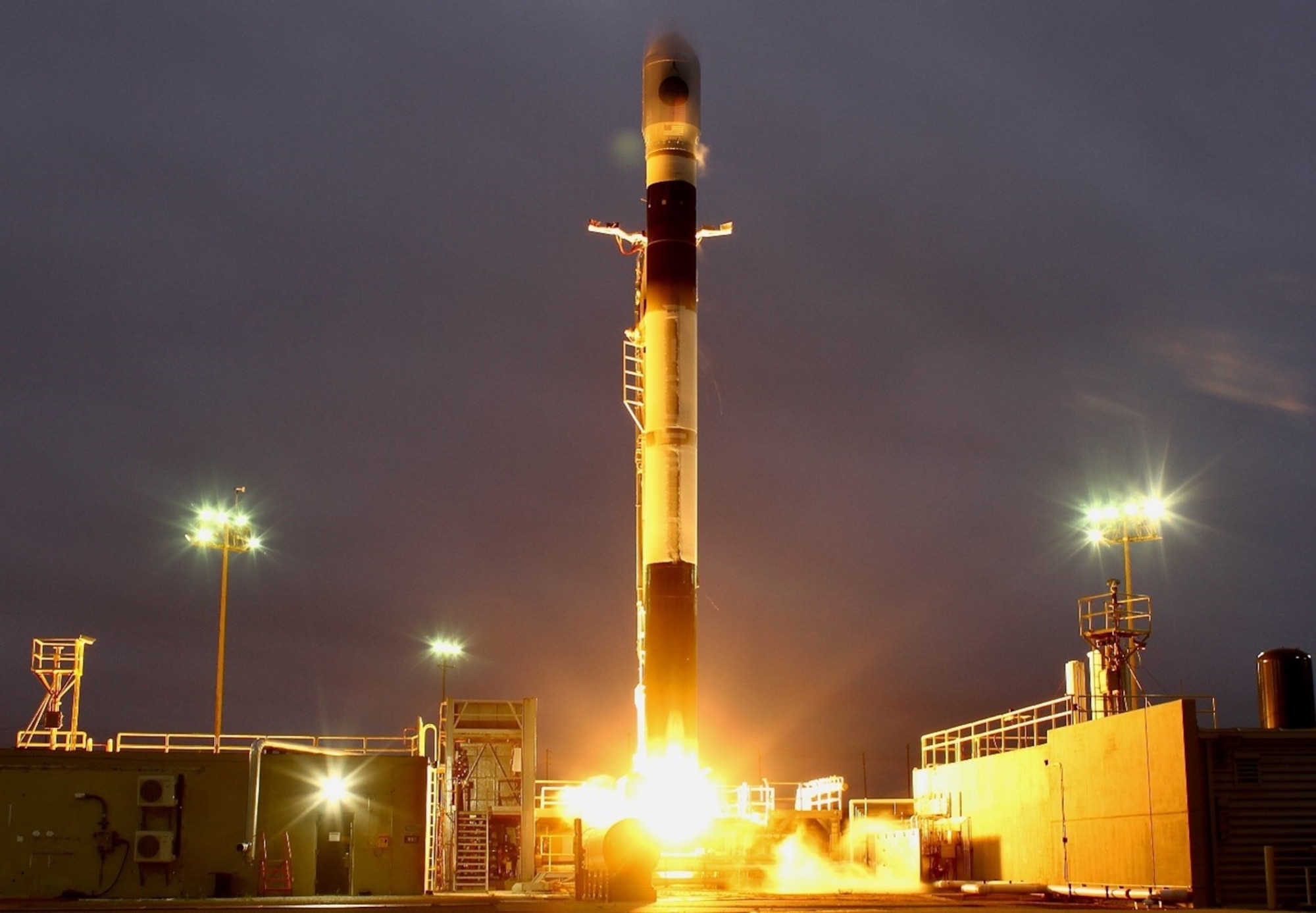
Data from the Space Track database confirms that the Victus Haze Puma satellite is currently in an orbit with an inclination of 97.5 degrees. The orbital altitude is logged between 215 miles and 286 miles (347-by-461 km). This specific trajectory is consistent with reconnaissance or monitoring missions that require frequent coverage of the Earth’s polar regions.
Operational Security and Public Visibility
The lack of a public livestream or extensive pre-launch briefing stands in contrast to typical industry practices. While Rocket Lab frequently provides live video coverage for its commercial missions, this particular flight was conducted under different parameters. The primary public notification consisted of a Notice to Airmen (NOTAM) and maritime warnings, which are standard procedures to ensure safety in the designated flight path.
As of Monday, neither the Space Force nor Rocket Lab had issued a formal statement acknowledging the mission’s objectives or its completion. This level of operational discretion is not uncommon for missions involving national security payloads, even when the launch vehicle itself is provided by a commercial contractor. The integration of private enterprise into national defense workflows has become a hallmark of the current era of space exploration, as noted in reports by the Government Accountability Office regarding commercial space partnerships.
Why Rapid Response Matters
The strategic value of this exercise lies in the timeline. Traditional satellite launches often require months or years of planning, integration, and scheduling. By contrast, a “responsive” launch model seeks to compress that window into days or even hours. This capability is intended to counter potential adversary efforts to disable or blind U.S. assets in low-Earth orbit.
The Department of Defense continues to prioritize these exercises to refine logistics and command-and-control structures. By testing these procedures in real-world conditions—such as the Friday launch from New Zealand—the Space Force can identify bottlenecks in the supply chain, from satellite manufacturing to launch site availability. The use of the Māhia Peninsula facility provides a geographically distinct launch point, which adds another layer of redundancy to the U.S. space launch architecture.
Future Developments
The success of the Victus Haze Puma mission will likely inform the next iterations of the Space Force’s responsive space program. Future exercises are expected to focus on even shorter timelines and more complex orbital maneuvers. Observers interested in the ongoing status of these assets can monitor the Space Track public catalog, which remains the primary source for identifying new objects in the satellite environment. For ongoing coverage of aerospace developments and military technology, readers are encouraged to participate in the discussion in the comments section below.
Worth a look
- NASA SkyFall Mission to Deploy Helicopters With Flexible Radar Antennas
- Trump Administration Enlists Private Companies for Offensive Cyber Operations Against Foreign Criminals
- Free Cancer Wellness & Exercise Program: Rebuild Strength and Health (archyworldys.com)
- CIA Forms Secret Cuba Task Force Amid Rising Political Shifts and Succession Concerns (world-today-news.com)