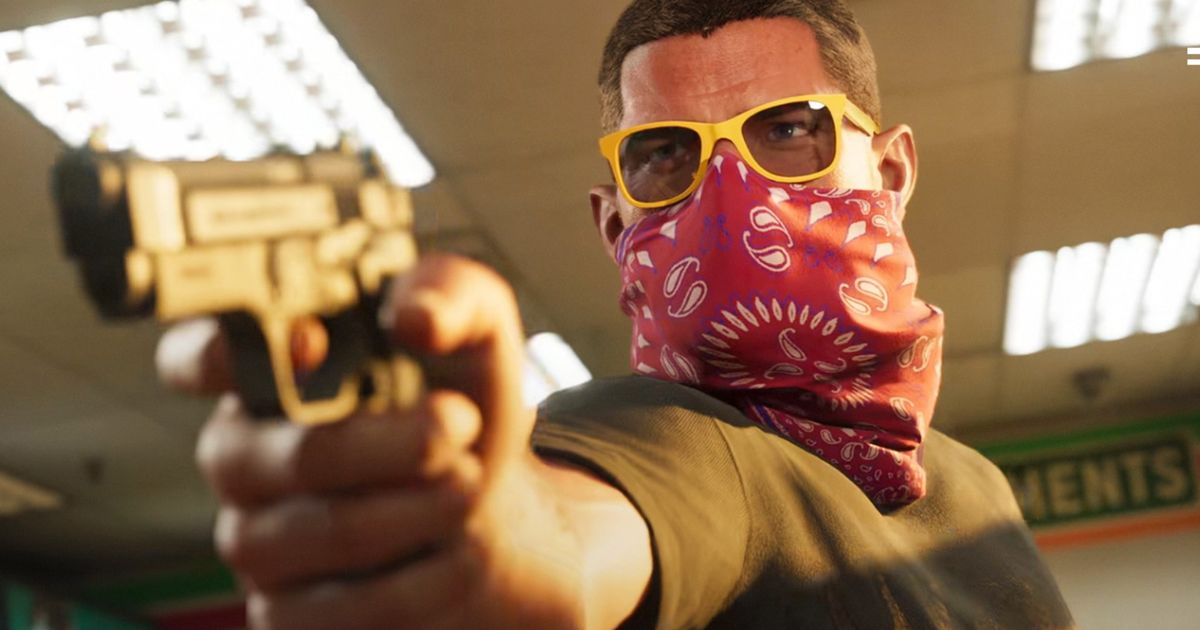
Rockstar Games is reportedly grappling with a new security breach as stolen data begins to surface online, following what sources describe as a failed ransom negotiation between the developer and an unidentified group of hackers. The incident comes at a critical juncture for the company, which is currently in the final stages of preparing its most anticipated title to date, Grand Theft Auto VI.
According to reports, the hackers demanded a ransom payment in exchange for the stolen data. Rockstar Games has reportedly declined to pay the extortionists, leading the attackers to begin releasing portions of the compromised information to the public. While the nature of the leak has caused significant chatter across gaming communities, the company has reportedly sought to downplay the severity of the event, characterizing the compromised files as non-essential corporate information and insisting that no critical project data or sensitive user information has been jeopardized.
As a technology editor with a background in software engineering, I have seen this pattern of “leak-and-extort” tactics increase across the AAA gaming industry. For a studio like Rockstar, the stakes are uniquely high. The company is not just protecting code, but a meticulously crafted marketing rollout for a product that represents a massive portion of the global entertainment market’s projected revenue for 2026.
Ransom Demands and the “Non-Essential” Data Defense
The current situation mirrors a growing trend in cybercrime where threat actors target high-profile intellectual property to leverage massive payouts. In this instance, the reports suggest that the hackers targeted internal corporate systems rather than the primary game builds. By refusing to pay the ransom, Rockstar is adhering to a widely recommended cybersecurity protocol: avoiding the funding of criminal enterprises, which often leads to further attacks regardless of whether the payment is made.
The claim that the leaked data is “non-essential” is a common strategic communication move used by corporations to maintain investor confidence and prevent panic among the consumer base. However, for the technical community, even “non-essential” corporate data—such as internal emails, project timelines, or administrative documents—can provide attackers with a roadmap for more sophisticated social engineering attacks in the future.
This breach follows a history of volatility surrounding the game’s development. In September 2022, unfinished footage of the game was leaked online in what was described by industry journalists as one of the largest leaks in video game history via Wikipedia. That event forced Rockstar to acknowledge the game’s existence and development far sooner than planned, proving that the studio’s internal security has been a recurring point of vulnerability.
The High Stakes of Grand Theft Auto VI
The intensity of these attacks is directly proportional to the scale of the project. Grand Theft Auto VI is not merely a game; it is a cultural event. Set in the fictional US state of Leonida—a satirical mirror of Florida—the game focuses on the romantic and criminal partnership of Jason Duval and Lucia Caminos via Rockstar Games.
The narrative depth and world-building involved in Leonida are immense. The map includes the Miami-inspired Vice City, the Grassrivers, and the Leonida Keys, alongside other locations such as Ambrosia, Port Gellhorn, and Mount Kalaga National Park via Wikipedia. With such a vast amount of creative assets and proprietary engine technology (RAGE), any breach that touches the actual game files could potentially compromise years of work.
The character dynamics also add a layer of intrigue that hackers often strive to exploit for “clout” within the community. Jason Duval, an ex-Army veteran working for drug runners in the Keys, and Lucia Caminos, a former inmate of the Leonida Penitentiary, represent a shift toward a more grounded, dual-protagonist narrative via Rockstar Games. Any leaked script fragments or dialogue trees would be highly coveted by the millions of fans awaiting the release.
Navigating the Road to November 2026
Despite the ongoing security challenges and previous delays, the timeline for the game’s launch appears to be solidified. Grand Theft Auto VI is currently scheduled for release on November 19, 2026 via Rockstar Games. The title will be available on the PlayStation 5 and Xbox Series X|S.
The road to this date has been fraught with adjustments. The game was originally planned for a 2025 release before being pushed to Spring 2026, and finally settling on the November 19 date via ScreenRant. Such shifts often indicate the immense polish Rockstar demands, but they also extend the window of vulnerability for hackers to strike.
To ensure the game meets its deadline, Rockstar has recently expanded its workforce, specifically focusing on recruiting new testers via ScreenRant. This move suggests that the game is entering its final optimization and bug-fixing phase, where stability is the primary goal.
Key Takeaways on the Rockstar Breach
- Ransom Refused: Rockstar Games has reportedly declined to pay hackers, leading to the release of stolen data.
- Data Impact: The company claims the leaked information is “non-essential corporate data” and not critical game assets.
- Historical Context: This follows a major 2022 leak of unfinished game footage.
- Release Target: The breach does not currently appear to have impacted the November 19, 2026, release date.
From a technical standpoint, the industry must view this as a warning. As games become more complex and their development cycles longer, the “attack surface” for hackers grows. The transition to cloud-based collaboration and remote work for global teams has only made securing these massive repositories of intellectual property more tough.
For now, the gaming community remains in a state of high anticipation. While the leaked “corporate data” may not spoil the plot of Jason and Lucia’s journey through Leonida, it highlights the precarious nature of modern software development in an era of aggressive cyber-extortion.
The next major milestone for the project will be further official trailers and potential gameplay deep-dives as the November 19, 2026, launch date approaches. We will continue to monitor official channels for any confirmation regarding the extent of the data breach or changes to the security protocols at Rockstar Games.
Do you think the “non-essential” label is a fair assessment of these leaks, or is Rockstar underplaying the risk? Share your thoughts in the comments below.
Keep reading