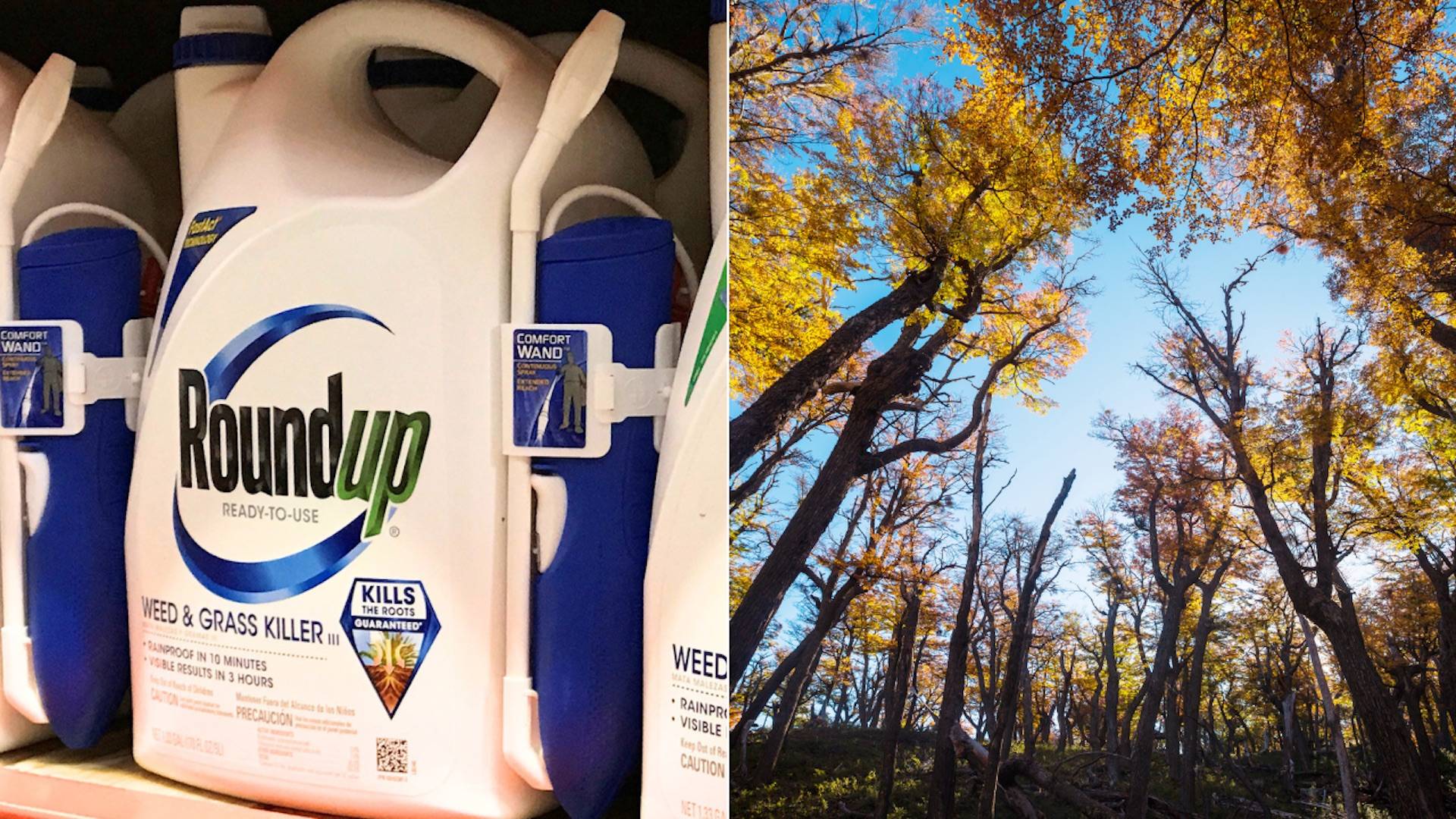
The intersection of corporate liability and environmental policy has reached a critical juncture as the U.S. Supreme Court weighs a decision that could reshape the legal landscape for thousands of cancer patients. At the heart of the dispute is Roundup, the ubiquitous glyphosate-based herbicide, and a fundamental question: who has the ultimate authority to determine the warning labels on chemical products—the federal government, or state juries?
While the highest court in the land deliberates on the risks associated with the chemical, a parallel and concerning trend is emerging in the American wilderness. Recent investigative findings suggest that the U.S. Forest Service has been rapidly expanding its application of glyphosate across national forests, signaling a strategic shift in how the herbicide is deployed within the United States.
For investors, policymakers, and the public, the stakes are immense. A ruling against the manufacturer could trigger a wave of litigation and financial instability for the parent company, while the expanded use of the chemical in forestry raises urgent questions about ecological safety and public health in protected lands.
The Supreme Court Battle Over Warning Labels
On Monday, April 27, 2026, the U.S. Supreme Court heard oral arguments in a high-stakes case that could determine the future of tens of thousands of lawsuits against the maker of Roundup according to NPR. The case centers on whether federal law preempts state law claims that a company failed to warn users about the potential carcinogenic risks of its products.
The lead plaintiff, John Durnell, filed suit in a Missouri state court in 2019. Durnell alleged that his 20-year history of regularly spraying the weed killer in his neighborhood led to his diagnosis of non-Hodgkin’s lymphoma. A jury previously sided with Durnell, awarding him more than $1 million in damages based on the claim that the manufacturer failed to properly warn users of the associated risks per court records cited by NPR.
From a business and economic perspective, this case is about more than one man’s health; it is about the “preemption” doctrine. If the Supreme Court rules that federal EPA-approved labels are sufficient and cannot be challenged in state courts, it would effectively shield the manufacturer from a massive portion of current and future liability. Conversely, a ruling in favor of the plaintiffs would leave the company exposed to an unpredictable volume of state-level jury awards.
The Expansion of Glyphosate in U.S. Forests
While the courts debate the legality of warnings, the actual application of glyphosate is evolving. An investigation conducted by Nate Halverson for Mother Jones and the Center for Investigative Reporting has revealed a significant increase in the use of Roundup by the U.S. Forest Service. While the majority of glyphosate continues to be utilized in industrial agriculture, the report indicates that the fastest-growing sector for the herbicide’s use is now forestry.
This expansion occurs despite long-standing concerns from critics and health advocates regarding the safety of the chemical. The transition toward heavier forestry use suggests a policy shift within federal land management, prioritizing chemical weed control over other maintenance methods. For those who frequent national forests for recreation or rely on them for biodiversity, the “bombarding” of these lands with herbicides presents a fresh set of environmental risks that have yet to be fully reconciled with the ongoing health litigation.
Corporate Transition: From Monsanto to Bayer
The complex legal history of Roundup is inextricably linked to the 2018 acquisition of Monsanto by the German pharmaceutical and life sciences giant Bayer. Since the takeover, Bayer has inherited not only the product line but likewise the massive legal liabilities associated with glyphosate. In an effort to manage these risks, Bayer has modified its commercial strategy; the company now primarily sells glyphosate-containing Roundup to businesses and farmers rather than the general consumer market as reported by NPR.
The financial strain of these lawsuits has been evident in the company’s reporting. On February 17, 2026, Bayer announced a class settlement agreement intended to resolve current and future claims via an official company statement. This settlement was so significant that Bayer shifted the announcement dates of its 2025 year-end financial results and 2026 projections to reflect the impact of the agreement on its balance sheets.
Comparison of Glyphosate Use and Legal Status
| Metric/Area | Agricultural Use | Forestry Use | Legal Status |
|---|---|---|---|
| Volume | Majority of total use | Fastest-growing sector | Under Supreme Court review |
| Primary Goal | Crop yield/Weed control | Land management | Labeling adequacy |
| Key Risk | Runoff/Resistance | Biodiversity/Public health | Non-Hodgkin’s lymphoma claims |
Why This Matters for the Global Market
The outcome of the Supreme Court’s decision will serve as a bellwether for the entire chemical industry. If the court allows state juries to override federal labeling standards, it creates a precedent where any company selling a federally approved chemical could be held liable for “failure to warn” based on evolving scientific interpretations of risk. This would introduce a level of volatility into the valuation of chemical and agrochemical firms globally.
the expansion of herbicide use in federal forests highlights a tension between bureaucratic efficiency and environmental stewardship. As the U.S. Forest Service increases its reliance on glyphosate, the potential for ecological backlash—and subsequent litigation—grows. The juxtaposition of a company trying to settle its way out of liability while a government agency expands the use of the same product creates a paradoxical environment for public safety.
Key Takeaways for Stakeholders
- For Investors: Watch for the Supreme Court’s ruling on the Durnell case; it will determine if Bayer’s liability is capped by federal preemption or open to state-level jury awards.
- For Environmental Advocates: The shift toward forestry use of glyphosate represents a new frontier for monitoring and advocacy, moving the focus from farms to protected national lands.
- For Consumers: The availability of glyphosate-based Roundup has shifted toward professional and agricultural channels, reducing direct consumer exposure but increasing systemic environmental application.
As we await the Supreme Court’s decision, the focus remains on whether the law will prioritize regulatory consistency (federal preemption) or consumer protection (the right to sue for inadequate warnings). The intersection of these legal battles and the expanding use of the chemical in our forests ensures that glyphosate will remain one of the most contentious substances in modern commerce.
Next Step: The U.S. Supreme Court is expected to issue a ruling on the labeling dispute in the coming months. We will provide updates as the official opinion is released.
Do you believe federal agencies should have the final say on safety labels, or should juries be allowed to decide based on new evidence? Share your thoughts in the comments below or share this analysis with your network.
Keep reading
- US Job Market Shock: Wall Street Rallies & Rate Hike Bets Fall After Weak July Data
- Severe Storm Threat for NYC Tri-State Area: Damaging Winds and Heavy Rain Forecast
- Sydney Towle Cancer Journey: Family Support Through the Years (news-usa.today)
- How Eating Apples Incorrectly Can Increase Breast Cancer Risk (archyde.com)