
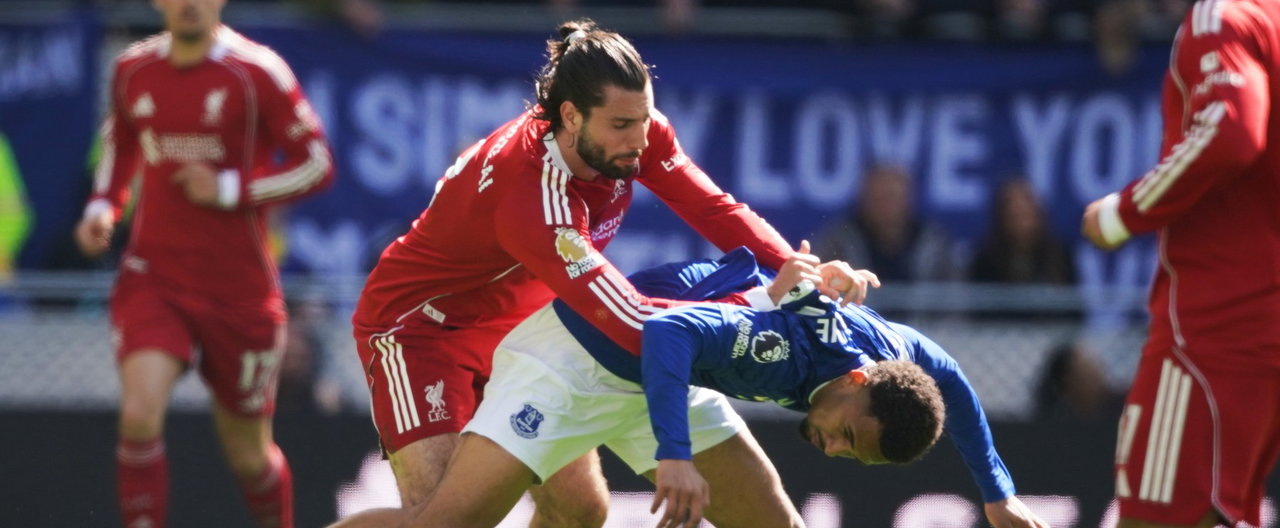
In the city of Liverpool, where football is not merely a sport but a defining cultural identity, the arrival of Hungarian midfielder Dominik Szoboszlai has sparked a wave of national pride in Hungary. However, while Szoboszlai commands the spotlight at Anfield, another Hungarian national is making a different kind of impact on the Merseyside, trading the football pitch for the professional kitchen.
Gábor Kerekes, a chef hailing from Szeged, has become an unexpected figure of interest in both the culinary and sporting spheres. While the Hungarian media has playfully framed his presence in the city as a “message” to the footballing establishment, Kerekes is engaged in a more subtle form of diplomacy: introducing the rich traditions of Hungarian cuisine to a city known for its own distinct gastronomic heritage.
The narrative surrounding Kerekes has gained significant traction online, particularly due to the perceived contrast between his professional placement and that of Szoboszlai. In a city split sharply between the “Reds” of Liverpool FC and the “Blues” of Everton, the Hungarian press has delighted in the irony of Kerekes operating within the sphere of the city’s traditional rivals, creating a lighthearted cultural duality for Hungary’s representatives in the UK.
From Szeged to Merseyside: A Culinary Journey
Gábor Kerekes’s transition from the southern Hungarian city of Szeged to the bustling streets of Liverpool represents more than a career move; it is an exercise in culinary exportation. Kerekes arrived in the UK with a clear objective: to elevate Hungarian flavors in an international setting and challenge the limited perceptions of Central European food often found in British cities.
The “incredible idea” that has captured the attention of social media users involves the integration of traditional Hungarian staples—such as authentic goulash and lángos—into the local dining scene. By blending traditional techniques from his hometown of Szeged with the demands of a global port city, Kerekes has managed to attract both local Liverpudlians and members of the expatriate community.
For Kerekes, the challenge lies in the adaptation of flavors. While Hungarian cuisine is characterized by its bold use of paprika and slow-cooked meats, the British palate often requires a nuanced approach. His success in Liverpool is rooted in maintaining the authenticity of the dishes while presenting them in a way that resonates with the local culture, effectively turning his kitchen into a bridge between two distinct European identities.
The Playful Rivalry: Anfield vs. Goodison Park
The intersection of Kerekes’s culinary work and the city’s football obsession has created a viral talking point. In Liverpool, the divide between Liverpool FC and Everton is one of the most storied rivalries in world football. Since Dominik Szoboszlai is a cornerstone of the current Liverpool FC squad, the Hungarian media has leaned into the narrative that Kerekes, by operating in areas associated with the “Blue” side of the city, has effectively “signed” with the rivals.

This framing, while largely metaphorical, highlights the immense influence of football on how international figures are perceived in the city. While Szoboszlai represents Hungarian excellence in athletics, Kerekes represents it in the arts of gastronomy. The playful tension described in regional reports serves as a testament to how deeply football permeates every aspect of life in Merseyside, where even a chef’s location can be interpreted through the lens of a derby match.
Despite the media’s focus on the “rivalry,” the reality is one of mutual contribution. Both the athlete and the chef are expanding the Hungarian footprint in one of the UK’s most iconic cities. While one brings trophies and goals to Anfield, the other brings the scents and tastes of Szeged to the local community, diversifying the city’s cultural landscape.
The Impact of “Culinary Diplomacy”
Kerekes’s presence in Liverpool is a prime example of what sociologists often call “culinary diplomacy”—the use of food to foster understanding and positive relations between different cultures. In a city that has historically been a gateway for immigrants and international trade, the introduction of authentic Hungarian dishes provides a tangible point of connection.
The internet’s fascination with Kerekes’s story stems from the human element of the narrative: the courage to move to a foreign city and the ambition to showcase one’s heritage. As his recipes gain popularity, he is not only providing a service but is also educating the local population about the depth of Hungarian culture beyond the headlines of sports and politics.
This cultural exchange is further amplified by the digital age. The “world sensation” mentioned in various reports is less about a single dish and more about the story of a Hungarian professional finding success in a city defined by its passion. The synergy between Szoboszlai’s sporting success and Kerekes’s culinary ambition has created a “Hungarian moment” in Liverpool, where the city is looking toward Central Europe with newfound curiosity.
Key Takeaways of the Hungarian Influence in Liverpool
- Sporting Excellence: Dominik Szoboszlai continues to be the primary face of Hungary in the city through his role at Liverpool FC.
- Culinary Expansion: Gábor Kerekes is introducing authentic Hungarian cuisine, specifically from the Szeged region, to the Merseyside public.
- Cultural Narrative: The Hungarian media has used the Liverpool-Everton rivalry to create a playful contrast between the athlete and the chef.
- Community Impact: The presence of both figures has increased the visibility and positive perception of Hungarian culture in the UK.
What Which means for the Hungarian Diaspora
The stories of Szoboszlai and Kerekes provide a significant boost to the morale of the Hungarian diaspora in the United Kingdom. For many Hungarians living abroad, seeing their compatriots succeed in diverse fields—from the Premier League to the professional kitchen—validates their own journeys and aspirations.

the positive reception of Kerekes’s food suggests a growing openness in the UK toward non-traditional European cuisines. As the “foodie” culture in Liverpool continues to evolve, there is a growing market for authentic, regional specialties that move beyond generic international fare. Kerekes is positioned at the forefront of this trend, proving that high-quality, traditional cooking can transcend linguistic and cultural barriers.
The synergy between these two figures—one in the stadium and one in the kitchen—creates a holistic image of modern Hungary: a nation that is competitive on the world stage and proud of its deep-rooted traditions. Whether through a perfectly placed pass at Anfield or a perfectly seasoned bowl of goulash, the Hungarian presence in Liverpool is becoming an integral part of the city’s eclectic charm.
As Gábor Kerekes continues to develop his culinary footprint and Dominik Szoboszlai continues his pursuit of silverware, the city of Liverpool remains the unlikely stage for a celebration of Hungarian identity. The “message” sent to the city is not one of rivalry, but of talent, ambition, and the universal language of good food.
The next milestone for this cultural exchange will likely be the continued expansion of Hungarian culinary offerings in the region, as more professionals follow the path blazed by Kerekes. We will continue to monitor the development of the Hungarian community’s influence in Merseyside.
Do you think food is the best way to bridge cultural gaps in a city as passionate as Liverpool? Share your thoughts in the comments below or share this story with a fellow football or food enthusiast.