
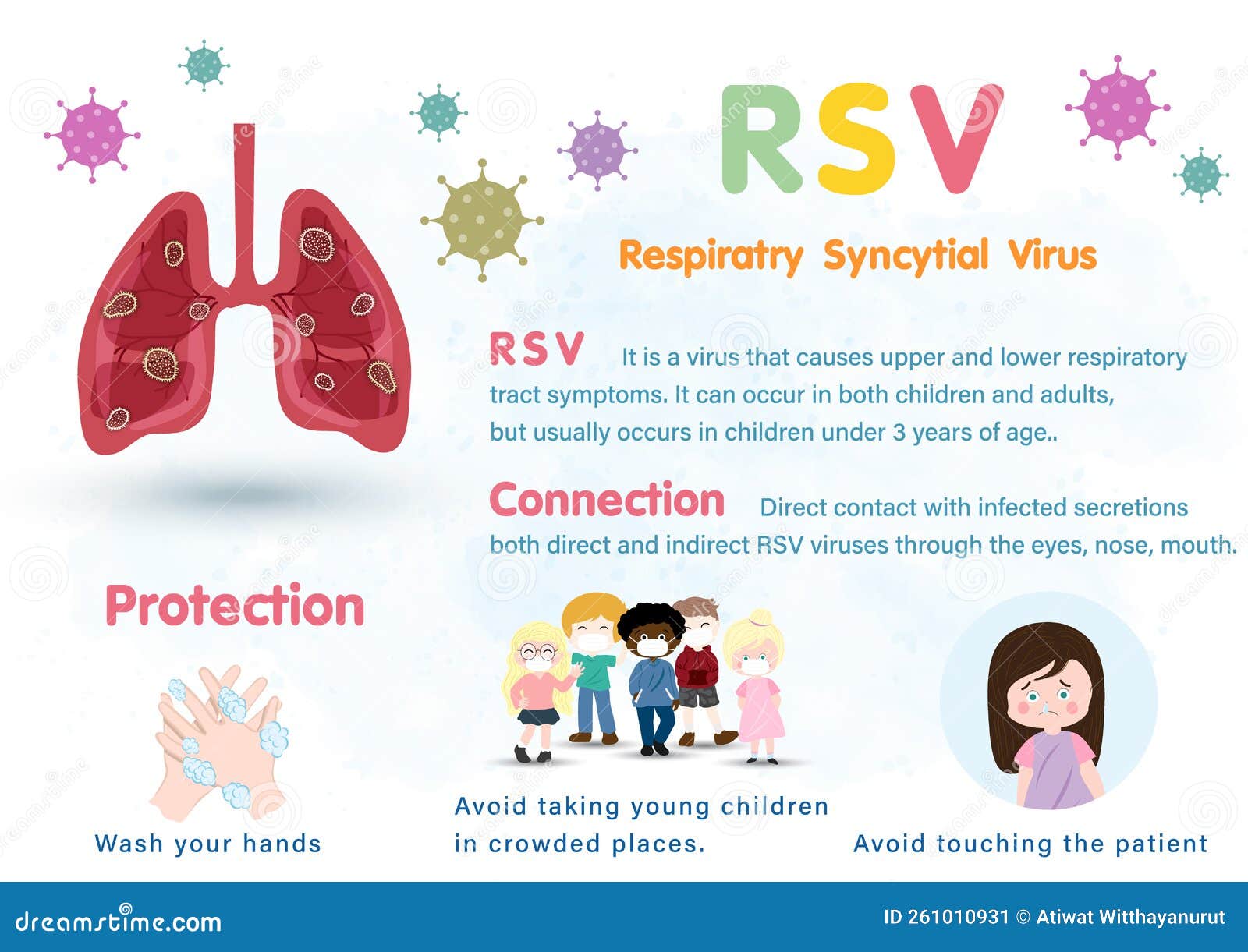
RSV vaccination in Brazil is reducing hospitalizations among older adults by 75%, according to reports on the impact of new vaccines targeting Respiratory Syncytial Virus. The implementation of these vaccines aims to lower the burden on the Brazilian healthcare system by preventing severe lower respiratory tract disease in populations aged 60 and older.
Respiratory Syncytial Virus (RSV) has long been recognized as a primary cause of pneumonia and bronchiolitis in infants and the elderly. While historically viewed as a childhood illness, the virus causes significant morbidity and mortality in adults with comorbidities or weakened immune systems. The introduction of targeted vaccines in the Brazilian market marks a shift in the country’s public health strategy to mitigate seasonal respiratory surges.
The Brazilian Health Regulatory Agency (Anvisa) has granted approval for vaccines designed to protect older adults, including those developed by GSK and Pfizer. These vaccines target the F protein of the virus, preventing it from entering human cells and triggering a protective immune response. By reducing the incidence of severe RSV-related infections, health officials aim to decrease the occupancy of intensive care units (ICUs) during peak winter months.
How RSV vaccines reduce hospitalizations in Brazil
The reduction in hospitalizations is driven by the vaccines’ ability to prevent lower respiratory tract disease (LRTD), which includes severe pneumonia and bronchitis. In clinical trials for Arexvy, the first RSV vaccine approved for older adults, the vaccine demonstrated an efficacy of 82.6% against severe RSV-associated LRTD according to the New England Journal of Medicine. This high rate of protection directly correlates to fewer emergency room visits and a lower requirement for mechanical ventilation.
RSV typically causes inflammation in the small airways of the lungs. In older adults, this often leads to secondary bacterial infections or the exacerbation of existing chronic obstructive pulmonary disease (COPD) and heart failure. By neutralizing the virus before it can cause systemic inflammation, the vaccines prevent the cascade of respiratory failure that necessitates hospitalization.
The 75% reduction figure cited in recent reports reflects the real-world application of these preventative measures in high-risk cohorts. When administered to adults with a history of chronic lung or heart disease, the vaccines significantly lower the probability of severe oxygen desaturation, which is the primary trigger for hospital admission.
Which RSV vaccines are approved by Anvisa?
Anvisa has authorized the use of two primary vaccines for the prevention of RSV in older adults: Arexvy (GSK) and Abrysvo (Pfizer). Both vaccines are recombinant protein vaccines, meaning they do not contain the live virus and are therefore safe for immunocompromised individuals.

Arexvy was developed to stimulate a robust immune response by using a proprietary adjuvant system that enhances the body’s ability to recognize the RSV F protein. Clinical data showed it was particularly effective in adults 60 and older, regardless of their prior history of RSV infection according to GSK’s clinical summaries.
Abrysvo, developed by Pfizer, utilizes a different approach to stabilize the F protein in its “pre-fusion” state, which is the form of the protein the virus uses to attach to cells. Beyond older adults, Abrysvo has received specific authorizations for maternal vaccination to protect infants from birth through six months of age according to Pfizer’s regulatory filings.
Who is most at risk for severe RSV in Brazil?
While RSV can infect individuals of any age, the risk of hospitalization is concentrated in specific high-risk groups. The Brazilian Ministry of Health and international guidelines identify the following populations as most vulnerable:
- Adults aged 60 and older, due to immunosenescence (the natural weakening of the immune system with age).
- Individuals with chronic heart failure or cardiovascular disease.
- Patients with chronic obstructive pulmonary disease (COPD) or asthma.
- People with compromised immune systems due to chemotherapy or organ transplants.
- Residents of long-term care facilities where the virus can spread rapidly in congregate settings.
For these groups, an RSV infection is not merely a “cold” but a potential catalyst for systemic organ failure. The inflammatory response caused by the virus can trigger myocardial infarction (heart attack) or acute kidney injury in fragile patients, further increasing the necessity for hospitalization.
What is the impact on the Brazilian healthcare system?
The seasonal nature of RSV creates significant pressure on Brazil’s Unified Health System (SUS). During the southern hemisphere’s winter, the convergence of RSV, influenza, and COVID-19 often leads to “syndemics,” where multiple respiratory viruses circulate simultaneously, overwhelming hospital capacity.

Reducing RSV-related hospitalizations by 75% provides a critical buffer for healthcare infrastructure. Fewer RSV admissions mean more available beds for elective surgeries and other acute emergencies. Furthermore, it reduces the cost of care associated with prolonged ICU stays and the use of expensive antiviral or supportive therapies.
Public health officials in Brasilia are monitoring the integration of RSV vaccination into the National Immunization Program (PNI). The goal is to move from private availability to broader public access for the most vulnerable elderly populations to ensure equitable protection across different socioeconomic strata.
Comparing RSV vaccines for older adults
While both Arexvy and Abrysvo are effective, they differ in their clinical profiles and target applications. The following table summarizes the key distinctions based on available regulatory data.
| Feature | Arexvy (GSK) | Abrysvo (Pfizer) |
|---|---|---|
| Primary Target | Adults 60+ | Adults 60+ and Pregnant Women |
| Technology | Recombinant protein with adjuvant | Recombinant protein (pre-fusion) |
| Key Efficacy | ~82.6% against severe LRTD | High efficacy against severe LRTD |
| Anvisa Status | Approved | Approved |
What happens next for RSV prevention in Brazil?
The next phase of RSV control in Brazil involves the expansion of vaccination campaigns and the potential introduction of monoclonal antibodies for infants. While the adult vaccines address the elderly population, the Brazilian government is evaluating the cost-effectiveness of incorporating Nirsevimab—a long-acting monoclonal antibody—into the public health system to protect newborns according to World Health Organization guidance.
Healthcare providers are encouraged to screen elderly patients for risk factors during annual flu shot clinics to identify candidates for RSV vaccination. The coordination of these vaccinations is expected to create a “shield” effect, reducing the overall community viral load and protecting those who cannot be vaccinated.
Official updates regarding the inclusion of RSV vaccines in the SUS (Unified Health System) are expected during the next budgetary review of the Ministry of Health. Until then, the vaccines remain available through private healthcare providers and pharmacies.
Do you have questions about RSV vaccination or the new approvals in Brazil? Share your thoughts in the comments or share this article with others who may be at risk.