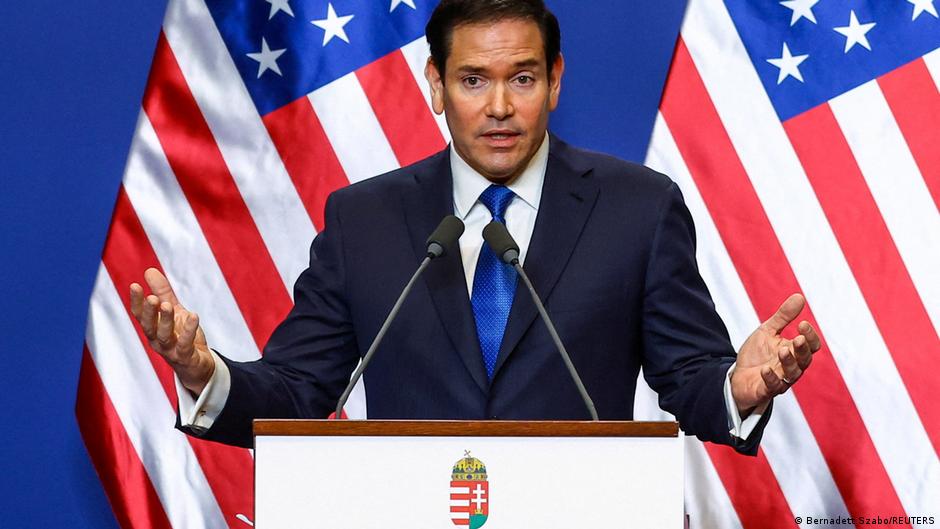
Secret Talks Between US Official and Raúl Castro’s Grandson Amidst Cuban Crisis
Washington is reportedly engaging in discreet discussions with a member of the Castro family as Cuba faces a deepening humanitarian and economic crisis. Secretary of State Marco Rubio has been holding secret talks with Raúl Guillermo Rodríguez Castro, the grandson of former Cuban leader Raúl Castro, according to reports from Axios and confirmed by independent sources. These backchannel communications signal a shift in US strategy towards the island nation, even as the Trump administration maintains its firm stance on regime change. The situation is further complicated by a severe energy crisis, a US-imposed oil blockade, and growing unrest within Cuba.
The conversations between Rubio and the younger Castro, known as “El Cangrejo” or “The Crab,” are occurring outside of official Cuban government channels, indicating a US attempt to bypass the current administration led by Miguel Díaz-Canel. A senior Trump administration official, speaking to Axios, stated that while the US position remains that the Cuban regime must go, the specifics of that transition are still being determined by President Trump. This suggests a willingness to explore potential scenarios for change, even if it involves engaging with figures connected to the existing power structure. The US is seeking to influence the elder Castro and his inner circle, despite his age – 94 – believing he remains the island’s “real decision-maker.”
A Dire Situation in Cuba
Cuba is currently grappling with a severe energy crisis, exacerbated by the loss of subsidized oil from Venezuela following the US capture of Nicolás Maduro in January. This has led to widespread power outages, shortages of essential goods, and the closure of schools and hospitals. The country is facing a growing humanitarian crisis, with reports of food scarcity, limited healthcare access, and a near-total lack of fuel. The US has further tightened the screws by accusing Cuba of harboring enemies and warning allies against providing oil to the island, resulting in a blockade that has left Mexico, a former oil supplier, in a difficult position. The situation has prompted a response from the Cuban government, which has denounced the US actions but also expressed a willingness to negotiate.
The economic hardship is fueling discontent among the Cuban population. Karoline Leavitt, the White House spokesperson, stated on Wednesday that Cuba is “collapsing” and that “changes” are needed “incredibly soon.” This statement underscores the urgency felt within the Trump administration regarding the situation in Cuba. However, the administration has ruled out a direct military intervention, similar to the approach taken in Venezuela, according to President Trump.
Rubio’s Role and the Cuban Exile Community
Marco Rubio, the son of Cuban immigrants who fled the island during Fidel Castro’s reign, has long been a vocal advocate for regime change in Cuba. His involvement in these secret talks highlights the personal stake he has in the future of the country. Rubio believes the current economic conditions are unfair to Cubans and has consistently pushed for a more assertive US policy towards Havana. His discussions with Raúl Guillermo Rodríguez Castro are seen as an attempt to explore potential pathways to a transition of power, bypassing the current Cuban leadership.
However, this approach is not without its critics. The possibility of an agreement between the US government and Raúl Castro has sparked tensions within the Cuban exile community. Four congressmen – Mario Díaz-Balart, María Elvira Salazar, Carlos A. Giménez, and Nicole Malliotakis – have urged President Trump to pursue criminal charges against Raúl Castro for his alleged involvement in the 1996 downing of planes belonging to Hermanos al Rescate, a humanitarian organization. In a letter dated February 13, 2026, the lawmakers argued that accountability for past actions should be a prerequisite for any negotiations. They contend that those responsible for “oppressing, torturing, and killing” must face justice, starting with Raúl Castro. CiberCuba reports on the growing debate within the exile community.
US Policy and the Oil Blockade
The Trump administration’s policy towards Cuba has been characterized by increased pressure and a tightening of the decades-old US embargo. In January, Washington imposed an oil blockade on the island, building on its success in disrupting Venezuelan crude exports. This move aimed to further cripple the Cuban economy and force the government to negotiate. The blockade has exacerbated the existing energy crisis, leading to widespread power outages and shortages of essential goods. Cuba has denounced the blockade as an act of aggression and has expressed its willingness to engage in talks, but has also condemned the US actions.
The US has maintained a commercial embargo against Cuba for decades, a policy rooted in Cold War-era tensions and concerns about human rights. While there have been periods of limited engagement, the overall trend has been towards increased restrictions. The current administration appears determined to escalate the pressure on Havana, hoping to compel a change in leadership and a move towards greater political and economic freedom. The US maintains that a democratic Cuba would be a more stable and prosperous partner, benefiting both countries.
Despite the US government’s discretion regarding the details of the talks, President Trump acknowledged in early February that conversations with Cuba were taking place “at the highest level.” However, officials have remained tight-lipped about the content of these discussions and with whom they are being held. The State Department and the Cuban embassy in Washington have both declined to comment on the Axios report, further fueling speculation about the nature and scope of the secret negotiations.
Raúl Castro’s Continued Influence
While Raúl Castro officially retired from decision-making roles in 2006, succeeding his brother Fidel, he remains a powerful figure in Cuban politics. He retains the loyalty of the armed forces and continues to wield significant influence within the government. Castro implemented some economic reforms during his tenure, but stopped short of enacting fundamental political changes. He also engaged in a brief period of rapprochement with the United States in the mid-2010s, but this effort ultimately stalled without leading to a lasting opening. Despite his age – 94 – Castro is believed to still be a key player in shaping Cuba’s future.
The current situation in Cuba presents a complex challenge for the US government. Balancing the desire for regime change with the necessitate to avoid a humanitarian catastrophe requires a delicate approach. The secret talks between Marco Rubio and Raúl Guillermo Rodríguez Castro suggest a willingness to explore unconventional strategies, but the outcome remains uncertain. The Cuban exile community is deeply divided on the best course of action, and the potential for backlash against any perceived concessions to the Castro regime is significant.
The US continues to monitor the situation in Cuba closely, and further developments are expected in the coming weeks. The next key event to watch will be the response from the Cuban government to the US oil blockade and the outcome of the ongoing discussions between Rubio and Castro’s grandson. The future of Cuba hangs in the balance, and the decisions made by both Washington and Havana will have far-reaching consequences for the island nation and the region.
Key Takeaways:
- Secretary of State Marco Rubio is engaged in secret talks with Raúl Guillermo Rodríguez Castro, grandson of Raúl Castro.
- Cuba is facing a severe economic and humanitarian crisis, exacerbated by a US oil blockade.
- The Trump administration maintains its position that the Cuban regime must go, but is exploring potential transition scenarios.
- The possibility of negotiations has sparked tensions within the Cuban exile community.
- Raúl Castro, despite his retirement, remains a powerful figure in Cuban politics.
The situation in Cuba remains fluid and requires continued monitoring. World Today Journal will continue to provide updates as they become available. Share your thoughts and perspectives on this developing story in the comments below.
Worth a look
- Ammonia Leak at Ostrava Hockey Arena: Emergency Response and Updates
- Three Senior Officials Suspended in Terrebonne Amid Director General’s Past Controversy
- Baker Mayfield Feels Undervalued as Buccaneers Contract Talks Hit a Wall (time.news)
- Secret Cleared Full-Time Job in Colorado Springs On-Site (news-usa.today)