
In the landscape of modern medicine, the challenge of delivering consistent, high-quality care to remote populations remains one of the most pressing issues for healthcare administrators and policy experts. As we navigate the complexities of 2026, it is becoming increasingly evident that rural healthcare needs information that moves—dynamic, actionable data and flexible infrastructure—rather than simply an infusion of capital. The focus must shift toward how we integrate technology, workforce development and streamlined care delivery models to meet the specific, often isolated, needs of these communities.
The conversation surrounding rural health has evolved from a simple question of funding to a more nuanced inquiry into structural sustainability. For many rural residents, geographic distance is not merely a logistical hurdle but a barrier to timely intervention, preventative screenings, and consistent chronic disease management. While federal and state initiatives, such as the Centers for Medicare & Medicaid Services (CMS) Rural Health Strategy, emphasize the necessity of stabilizing access, the implementation of these goals requires a departure from rigid, one-size-fits-all policy frameworks. Innovation in this sector is not defined by the amount of money spent, but by the efficiency with which resources are translated into tangible health outcomes.
Redefining Rural Health Through Strategic Flexibility
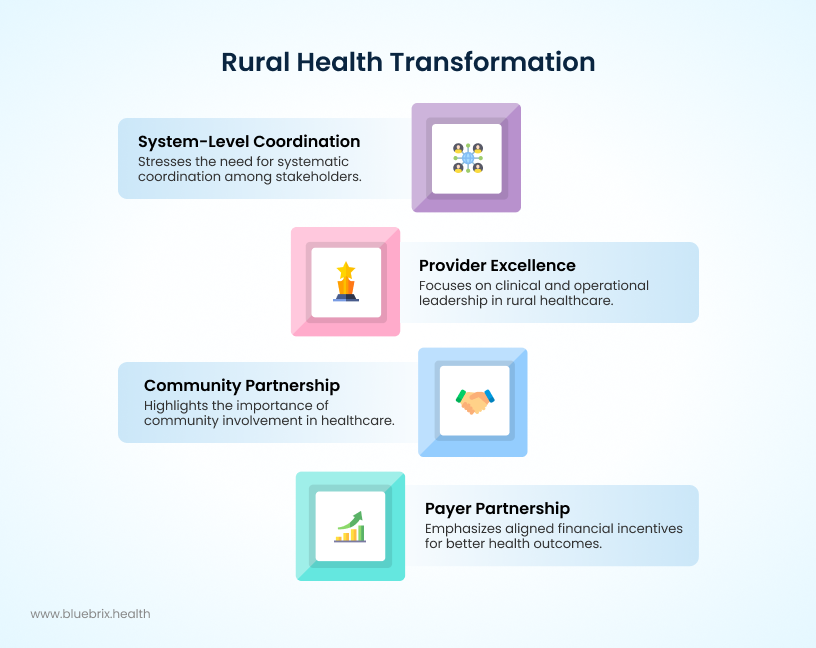
The core of the current transformation effort lies in granting states the autonomy to design healthcare strategies tailored to their unique demographic and geographic constraints. A state with a sprawling, sparsely populated mountain region faces fundamentally different challenges than a state with a high density of agricultural workers. By allowing local agencies to prioritize investments, policymakers can move beyond generic solutions to address specific gaps—such as the urgent need for behavioral health services or the integration of telemedicine platforms that provide reliable, real-time diagnostic capabilities.
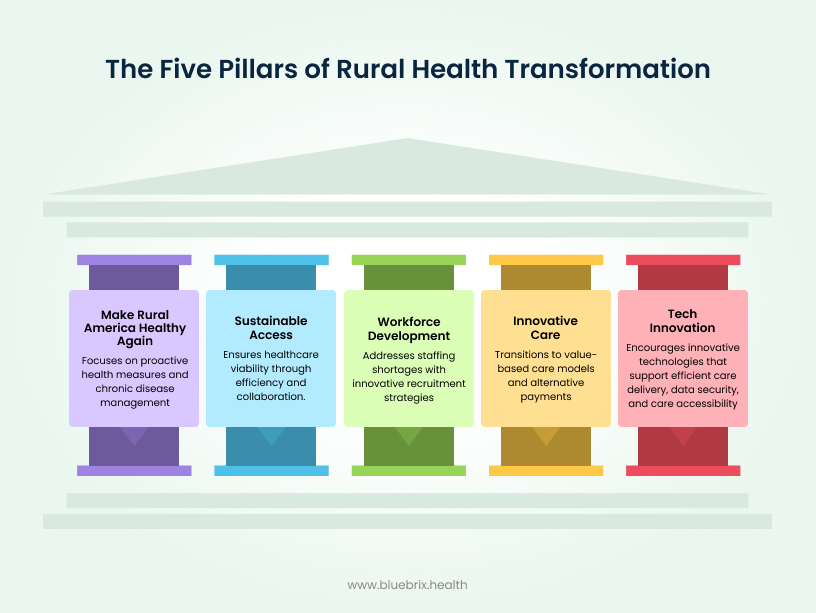
According to the CMS Rural Health Strategy, the primary objective is to build a foundation that supports long-term care sustainability. This involves re-evaluating how we measure performance. Instead of relying on volume-based metrics, the shift is toward value-based care, which rewards providers for improved patient outcomes. This transition is essential for keeping rural hospitals afloat, as it moves away from the volatile fee-for-service models that often leave smaller, low-volume facilities at a financial disadvantage.
The Role of Actionable Data and Technology
Technology in rural healthcare is often misconstrued as the mere acquisition of hardware. However, the true value of medical technology lies in its ability to facilitate the movement of information. For a rural physician, having a high-tech scanner is less useful than having an interoperable electronic health record (EHR) system that allows for seamless communication with specialists in metropolitan centers. When information flows efficiently, it reduces the need for patient travel and ensures that primary care physicians are supported by the latest clinical expertise.
Practically applied technology includes:
- Remote Patient Monitoring (RPM): Allowing clinicians to track vital signs for patients with chronic conditions, such as diabetes or hypertension, without requiring frequent clinic visits.
- Tele-Specialty Consultations: Bridging the gap in specialist availability by connecting rural practitioners with experts in cardiology, oncology, and neurology via secure video platforms.
- Data-Driven Resource Allocation: Using analytics to identify high-risk populations within a specific rural county, enabling targeted outreach before minor health issues escalate into medical emergencies.
These tools must be supported by robust infrastructure. Without reliable high-speed internet and consistent policy support for digital health reimbursement, even the most advanced medical technology remains inaccessible to those who need it most.
Workforce Sustainability and Community Integration
A critical component of rural healthcare transformation is the workforce. Many rural regions face a “brain drain,” where medical professionals choose to practice in urban centers, leaving rural areas with a deficit of primary care doctors, nurses, and mental health professionals. Addressing this requires more than financial incentives; it requires a commitment to professional development and the creation of sustainable practice environments.
Efforts to bolster the rural workforce often involve the use of “grow-your-own” programs, where local students are encouraged to pursue medical careers with the intent of returning to their communities. The expansion of scope-of-practice laws for nurse practitioners and physician assistants has proven to be a vital strategy for expanding access in areas where physicians are scarce. By empowering these clinicians to provide a broader range of services, healthcare systems can ensure that the community has a stable, reliable point of contact for their health needs.
Looking Ahead: Ensuring Measurable Impact
As we look toward the remainder of 2026, the focus will remain on how states utilize the flexibility afforded by federal frameworks to achieve meaningful change. The success of these initiatives will be measured not by the amount of funding distributed, but by the reduction in health disparities between rural and urban populations. It is imperative that healthcare leaders continue to solicit feedback from the communities they serve, as the most effective solutions are often those designed with, rather than for, the local population.
For those tracking the progress of these initiatives, official updates regarding state-specific health transformation plans are regularly published through the CMS Rural Health Strategy portal. Stakeholders, including healthcare providers, community organizers, and patients, are encouraged to engage with their local health departments to stay informed about upcoming hearings and public comment periods regarding regional healthcare infrastructure projects.
The journey toward equitable rural healthcare is ongoing. By prioritizing the movement of information and the sustainability of our workforce, we can build a system that is not only resilient but also deeply responsive to the people it serves. We invite our readers to share their experiences and insights on this critical topic in the comments section below.
Related reading