
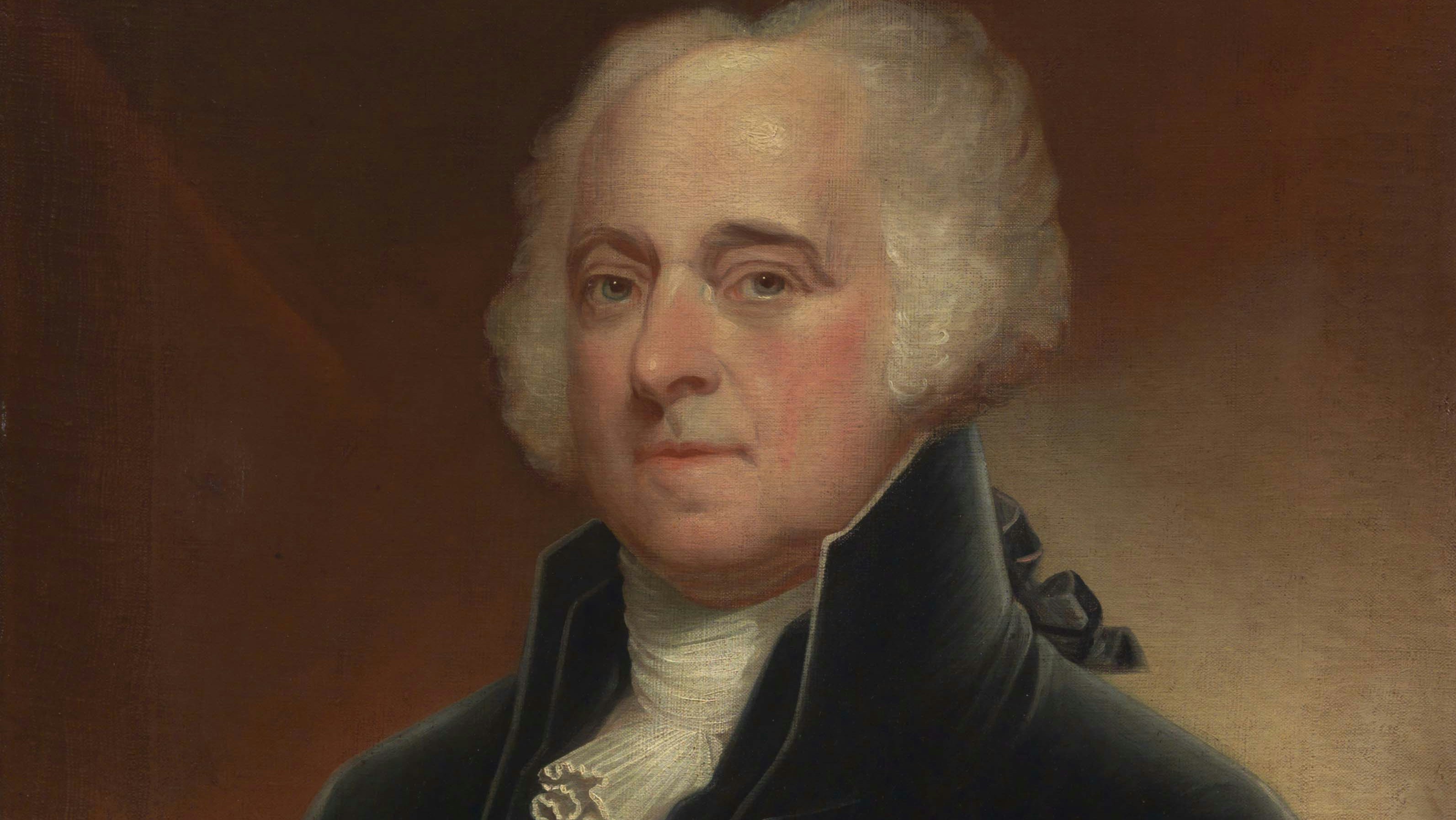
The discourse surrounding the future of American democratic institutions often invokes the legacy of the nation’s founders, particularly John Adams, who famously championed the necessity of an informed citizenry for the preservation of liberty. As we navigate the complexities of the 2026 political landscape, the tension between executive authority and the role of public information has become a central focus of international scrutiny. For observers of global affairs, the question of whether a free and informed public remains a priority in the United States is no longer merely academic; it is a defining feature of the current geopolitical narrative.
The concept of an informed electorate serving as the ultimate check on government power is a cornerstone of constitutional democracy. Historically, the free flow of information—and the media’s role in facilitating that flow—has been viewed as essential for holding leaders accountable. However, recent shifts in how political figures interact with the press and the public have prompted debates about the health of the American information ecosystem. As the U.S. Approaches its next electoral milestones, these questions regarding transparency, media access, and the nature of political communication are increasingly relevant to the international community.
The Evolution of Political Communication and Transparency
The relationship between the executive branch and the media has long been characterized by a degree of adversarial tension, a dynamic that is built into the structure of American governance. Yet, observers note that the current environment is marked by a fundamental change in the philosophy of public engagement. Where previous administrations sought to manage the news cycle through traditional briefings and press operations, contemporary strategies increasingly favor direct-to-consumer digital communication, effectively bypassing traditional journalistic intermediaries. This shift has profound implications for how citizens access information and, by extension, how they perceive the actions of their government.
According to data from the Pew Research Center, public trust in mass media remains near historic lows, a trend that political figures have frequently leveraged to diminish the perceived legitimacy of critical reporting. This environment creates a vacuum that is often filled by partisan-aligned content, further complicating the average citizen’s ability to discern objective reality from political messaging. The erosion of a shared factual baseline is arguably one of the most significant challenges facing modern democracy, as it limits the public’s capacity to engage in meaningful, evidence-based debate.
The Role of the Informed Citizenry in Democracy
John Adams’ assertion that “liberty cannot be preserved without a general knowledge among the people” remains a touchstone for those concerned about the state of American republicanism. If the mechanisms that provide that knowledge are weakened or systematically bypassed, the foundational premise of the American experiment begins to fray. The transition from a model of open, robust press inquiry to one of curated, executive-controlled messaging represents a departure from the norms established in the 20th century. While the U.S. Constitution provides robust protections for the press under the First Amendment, these legal safeguards do not guarantee access to information or a government’s willingness to engage in transparent communication.
For those tracking these developments from outside the United States, the implications are significant. The American model of democracy has long been exported as a benchmark for transparency and institutional integrity. When that model appears to prioritize political insulation over public disclosure, it provides a precedent that other nations may follow. The U.S. Department of State’s annual human rights reports often highlight the importance of freedom of expression and access to information as key indicators of a healthy state; critics argue that domestic policies in the U.S. Should reflect these same rigorous standards.
What Happens Next: Monitoring Institutional Shifts
The trajectory of American political communication will likely continue to evolve as the 2026 midterm cycle progresses. Key areas to monitor include the frequency and nature of official press briefings, the accessibility of government data, and any legislative attempts to regulate digital platforms that serve as the primary news source for millions of Americans. Institutional accountability relies heavily on the ability of the judiciary to uphold transparency laws, such as the Freedom of Information Act (FOIA), which remains a critical tool for journalists and researchers alike.

As the international community continues to assess the health of American democracy, the focus will remain on whether institutions can maintain their independence from executive pressure. The upcoming judicial reviews regarding press credentials and access to federal facilities will serve as important indicators of the current administration’s commitment to the principles of open governance. We will continue to track these developments as official filings and court rulings provide further insight into the future of American information policy.
We invite our readers to share their perspectives on this evolving issue in the comments section below. How do you see the role of the media changing in your own country, and does it mirror the trends we are observing in the United States? Stay tuned for our next update, which will cover the scheduled federal hearings regarding media access protocols later this summer.
Related reading