As the conflict in Ukraine enters its fifth year, the geopolitical landscape remains defined by a stark contrast between Kremlin rhetoric and the grim realities on the ground. For observers tracking the war, the narrative of a swift military operation has long since dissolved, replaced by a grueling, protracted struggle that continues to reshape the security architecture of Eastern Europe. Today, June 5, 2026, the intensification of Russian missile and drone strikes against Ukrainian targets serves as a sobering reminder that the Kremlin shows no sign of backing down from its stated objectives.
The persistence of the conflict has forced a re-examination of the domestic climate within Russia. While President Vladimir Putin remains publicly uncompromising, demanding that Ukraine cede control of the entire Donbas region, the societal toll of more than four years of hostilities is becoming increasingly difficult to mask. Even among those historically aligned with the state, there is a palpable sense of concern, though it is often expressed in coded language or suppressed by the overarching official narrative that portrays the nation as a unified, defiant entity.
The Rhetoric of Unyielding Resolve
In the halls of power in Moscow, the official line remains one of total commitment. Foreign Minister Sergei Lavrov has previously characterized the state’s position as unapologetic, framing the current trajectory as an inevitable outcome of Russia’s distinct historical and cultural identity. This sentiment was echoed recently by public figures who, during state-sanctioned events, emphasized a narrative of national endurance. Such rhetoric serves a dual purpose: it reinforces the government’s legitimacy to its domestic base while signaling to the international community that the Kremlin is prepared for a long-term standoff.
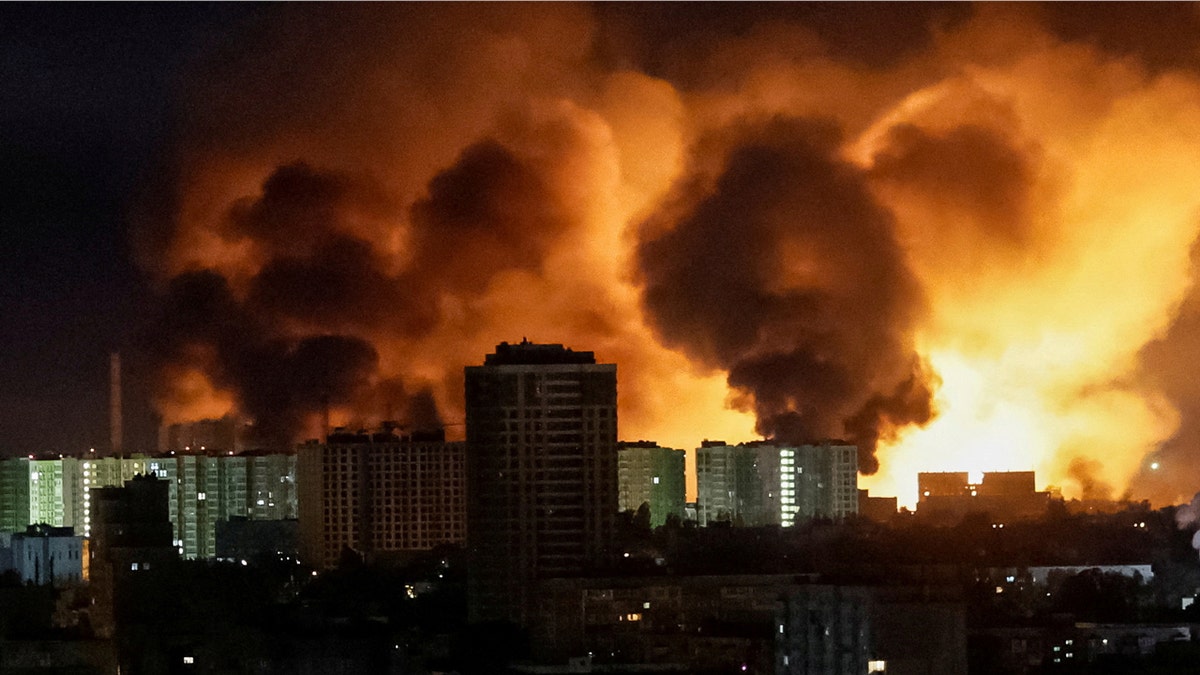
Yet, this uncompromising stance faces significant external and internal pressures. The annual St. Petersburg International Economic Forum, once a premier venue for global engagement, now operates in a diminished capacity. While organizers claim participation from over 130 countries and territories, the absence of high-profile Western investors highlights the profound economic isolation that has accompanied the Kremlin’s military decisions. The disconnect between the forum’s intended message of prosperity and the ongoing reality of missile strikes is a defining paradox of the current era.
Geopolitical Realities and Economic Isolation
The reliance on a “multi-ethnic genetic code” as a foundation for national unity—a sentiment recently voiced by prominent cultural figures—illustrates the ideological framework currently employed to sustain public support. This inward-looking nationalism is intended to insulate the populace from the mounting costs of the war, including international sanctions and the loss of life. However, as the conflict persists into its fifth year, the sustainability of this messaging is being tested by the realities of a shrinking economy and the continued mobilization of resources for the front lines.
For the international community, the situation remains a critical security challenge. The Russian Federation, spanning a vast expanse of Eastern Europe and Northern Asia, continues to leverage its strategic position to exert influence, yet the cost of this influence has been a significant decline in its global standing. The refusal to engage in meaningful diplomatic concessions regarding the Donbas region ensures that the conflict remains at a stalemate, with neither side currently willing to accept the terms proposed by the other.
What Lies Ahead
The coming months will likely see a continuation of the current pattern: high-intensity strikes coupled with diplomatic intransigence. As the war stretches on, the primary focus for analysts will be whether the domestic pressure within Russia eventually forces a shift in the Kremlin’s calculus. Currently, there is no evidence of such a change. The state remains firmly under the control of its current leadership, and the apparatus of the Russian government—from the State Duma to the Federation Council—remains aligned with the President’s strategic vision.
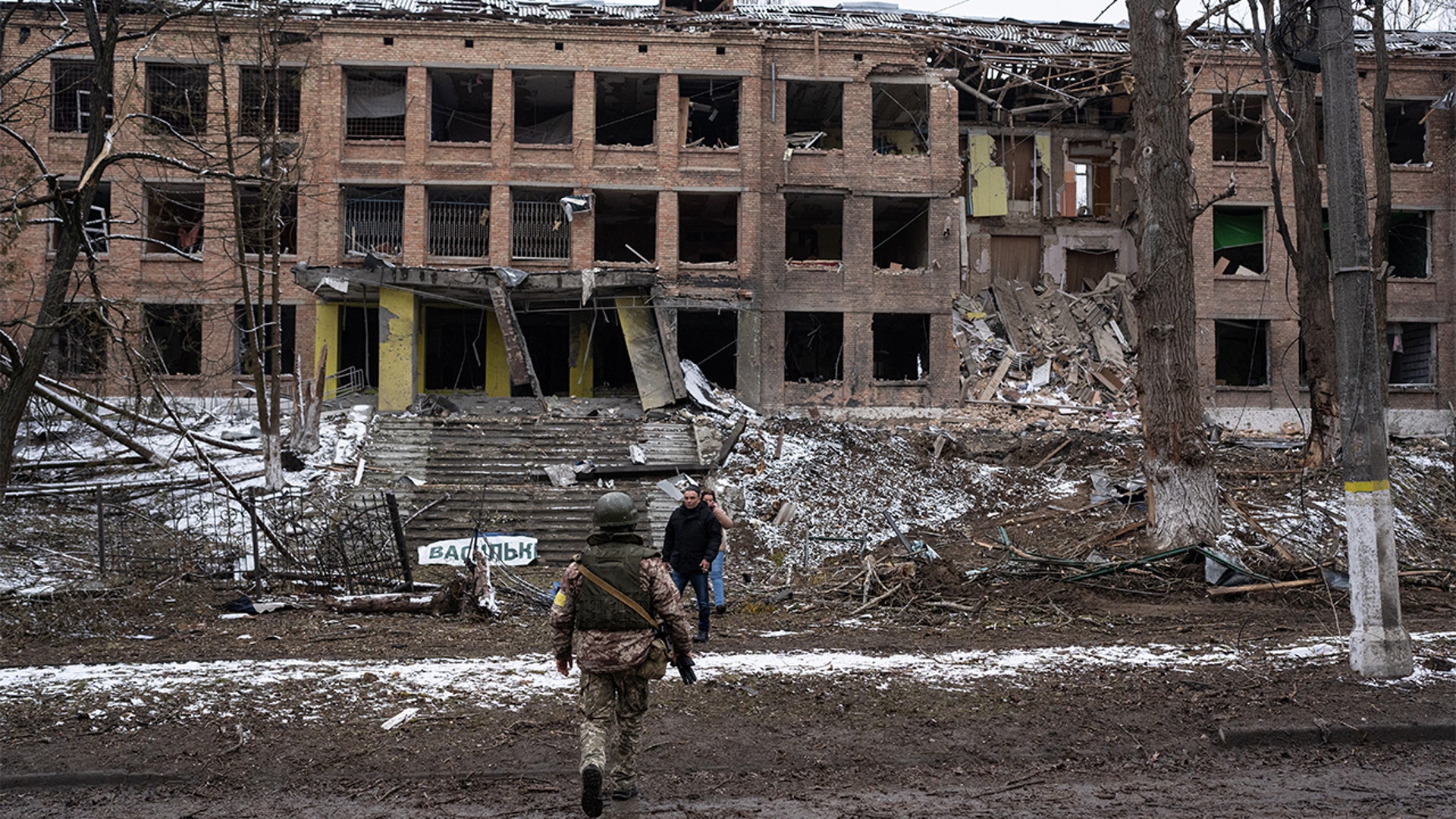
Readers seeking to understand the trajectory of this conflict should monitor official statements from the Kremlin and the ongoing reports from international observers on the ground in Ukraine. While the St. Petersburg International Economic Forum may provide a temporary stage for the Russian government to project confidence, the true indicator of the war’s future will remain the intensity of the fighting and the resilience of the Ukrainian resistance. The international community is bracing for a summer of continued volatility, with little indication that a peaceful resolution is on the immediate horizon.
We invite our readers to share their perspectives on these developments in the comments section below. As we continue to cover the evolving situation, we remain committed to providing verified, in-depth analysis of the factors shaping our global landscape.
- Russia Imports Dual-Use Goods from UK and EU via India, Reports Medijs
- Seoul Stock Market Slumps Following Samsung Results
- Russian Strikes Kill Dozens in Ukraine; Poland Scrambles Fighter Jets (world-today-news.com)
- Russian Missile Strikes Kill at Least 8 Across Ukraine Including Kyiv, Lviv and Kryvyi Rih (time.news)