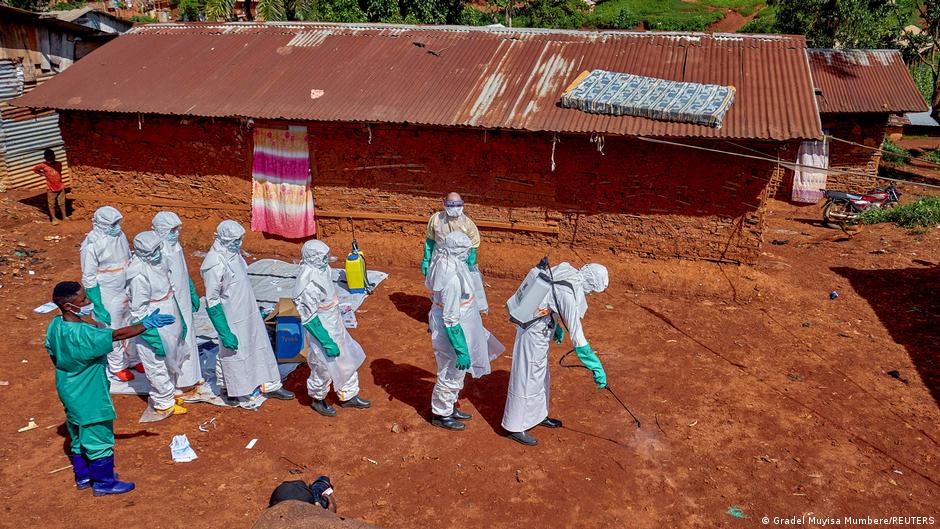
Public health experts working in the Democratic Republic of the Congo (DRC) face a persistent and complex challenge that extends far beyond the clinical management of infectious diseases: the erosion of community trust. When responding to outbreaks such as Ebola, medical personnel and local authorities often encounter deep-seated skepticism that can complicate containment efforts, tracing, and the administration of life-saving interventions.
The struggle to combat the spread of Ebola is often hindered by misinformation and cultural barriers. As noted by health officials on the ground, even in the face of fatalities, segments of the community may remain unconvinced of the disease’s existence or the efficacy of medical protocols. This disconnect between public health mandates and community perception remains one of the most significant obstacles to controlling viral hemorrhagic fevers in the region.
Understanding the Barriers to Public Health
The complexity of managing an Ebola outbreak is rooted in more than just the biological nature of the virus. According to the World Health Organization (WHO), Ebola virus disease is a severe, often fatal illness in humans, characterized by sudden onset of fever, fatigue, muscle pain, headache, and sore throat, followed by vomiting, diarrhea, rash, and symptoms of impaired kidney and liver function. When such a severe illness emerges, the response requires rapid isolation, contact tracing, and safe burial practices—all of which are highly sensitive cultural and social activities.
Misinformation often fills the void where clear, culturally competent communication is absent. When communities do not understand the transmission cycle or the rationale behind quarantine measures, they may view health responders with suspicion. This environment creates a vacuum where rumors can spread faster than the virus itself, leading to resistance against vaccination campaigns or the rejection of medical oversight during the critical early stages of an outbreak.
The Role of Community Engagement
Effective disease control in the DRC relies heavily on the integration of community leaders, religious figures, and local influencers into the response strategy. Public health initiatives are most successful when they move away from a purely top-down approach and instead prioritize listening to the concerns of the local population. The Centers for Disease Control and Prevention (CDC) emphasizes that community-based surveillance and engagement are essential for identifying cases early and ensuring that families feel supported rather than targeted by containment policies.
Addressing the “belief gap” requires a multifaceted strategy:
- Transparent Communication: Providing clear, consistent information about how the virus is transmitted and how individuals can protect themselves.
- Culturally Sensitive Burials: Working with families to perform safe and dignified burials that honor local traditions while minimizing the risk of exposure.
- Support for Survivors: Highlighting the success stories of those who have recovered from Ebola, which can serve as a powerful counter-narrative to fear, and stigma.
- Local Partnerships: Training community volunteers to act as bridge-builders between the formal medical sector and the households they serve.
Addressing the Challenges of Misinformation
The impact of misinformation is not merely an inconvenience; it represents a significant public health risk. When individuals do not believe in the disease, they are less likely to seek care at specialized treatment centers, opting instead for home care. This increases the risk of transmission to family members and healthcare providers. The lack of trust can lead to the harassment or exclusion of health workers, which further hampers the ability to track the virus’s path.

In the context of the DRC, the legacy of previous health crises and political instability adds layers of complexity to how medical interventions are perceived. For many, the health system is seen as distant or inaccessible, making the arrival of international or national response teams feel intrusive. Overcoming this requires a long-term investment in local health infrastructure, ensuring that the same teams providing outbreak response are also available to treat everyday ailments, thereby building a foundation of trust that can be leveraged during health emergencies.
Future Directions and Monitoring
As the international community continues to support the DRC in its efforts to manage outbreaks, the focus is increasingly shifting toward “social science in humanitarian action.” This approach involves studying the social, political, and economic contexts that influence how people perceive health crises. By understanding the local narrative, health organizations can better tailor their messaging to be more resonant and less adversarial.
For those interested in tracking the current status of infectious disease outbreaks, the WHO Disease Outbreak News portal provides the most up-to-date, verified information on ongoing health events globally. Staying informed through official channels is the most effective way to distinguish between verified medical risks and the waves of misinformation that often accompany them.
the eradication of Ebola in the region will not be achieved by medical science alone. It requires a sustained, empathetic dialogue that validates the fears of the community while providing the education necessary to prevent further loss of life. We welcome your thoughts on how public health organizations can better bridge the gap between clinical expertise and community needs. Please share your insights in the comments section below.
Worth a look