
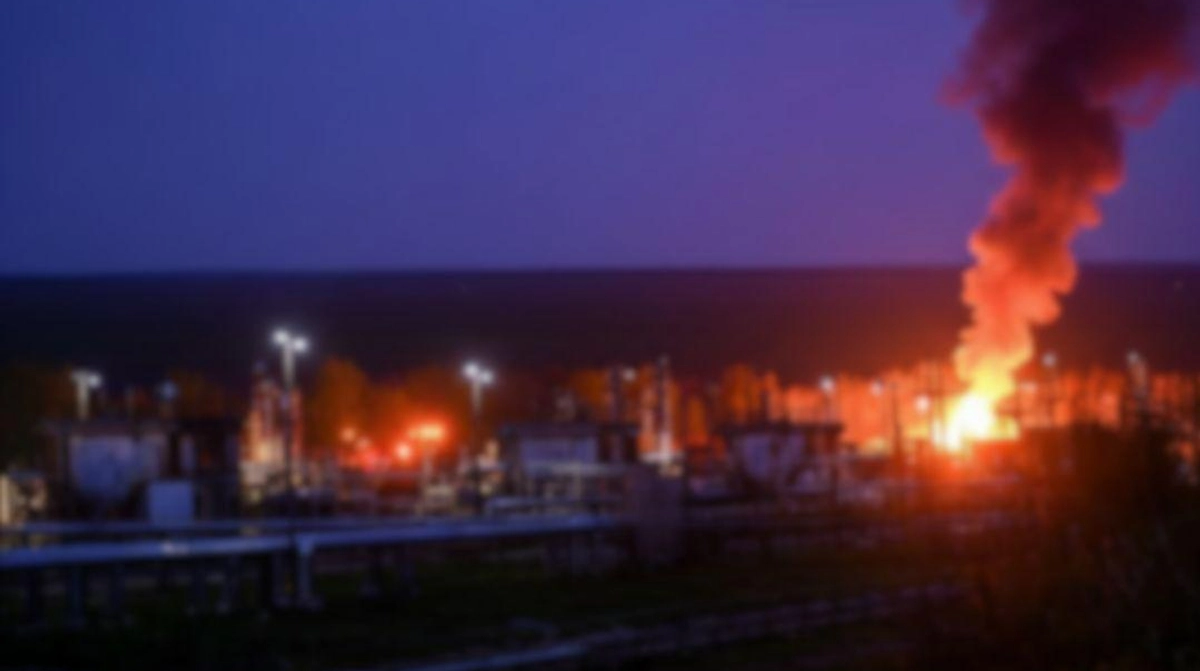
Targeted Strikes on Naftogaz Infrastructure: Dnipropetrovsk Faces Fourth Consecutive Day of Missile Attacks
The Dnipropetrovsk region is currently grappling with an intensifying campaign of precision strikes targeting Ukraine’s energy security. For the fourth consecutive day, Russian forces have launched a series of missile attacks focused on critical infrastructure belonging to Naftogaz, the country’s state-owned gas company. These sustained strikes represent a significant escalation in the targeting of the nation’s energy-related assets, aiming to destabilize the gas distribution network and the broader industrial capacity of the region.
In the most recent wave of aggression, reports indicate that Russian forces deployed at least three ballistic missiles to strike Naftogaz facilities within the Dnipropetrovsk region. Unlike cruise missiles, which often follow a predictable flight path, ballistic missiles are frequently utilized in these operations for their high kinetic energy and their ability to deliver precision strikes against hardened industrial targets. The use of such weaponry suggests a deliberate attempt to destroy heavy, specialized equipment that is difficult and time-consuming to replace.
Local authorities and energy officials have confirmed that the strikes have resulted in the destruction of “important equipment” essential to the operation of the gas infrastructure. While the full extent of the technical damage is still being assessed by engineering teams on the ground, the repetitive nature of these attacks—spanning four days—indicates a strategic effort to wear down the resilience of the gas supply chain. Reports of casualties following the strikes have also emerged, though official confirmation regarding the exact number of injured or deceased remains pending as emergency services continue their response operations.
A Strategic Shift Toward Precision Energy Warfare
The current targeting of Naftogaz assets marks a notable shift in the tactical landscape of the conflict. While earlier stages of the war were characterized by broad-scale strikes against the electrical grid to induce widespread blackouts, recent months have seen a pivot toward the gas sector. By focusing on Naftogaz, the aggressor is targeting the remarkably backbone of Ukraine’s industrial and domestic heating capabilities.
Naftogaz serves not only as a domestic provider but also as a critical player in the broader European energy landscape. The destruction of specialized pumping stations, compressor units, and storage facilities in the Dnipropetrovsk region has immediate implications for the stability of gas transit and pressure regulation. Experts note that destroying “important equipment”—such as high-capacity compressors—can cause a ripple effect, making it significantly harder to maintain consistent gas pressure across the national network, even if the pipelines themselves remain intact.
This “war of attrition” against infrastructure is designed to create long-term economic pressure. The cost of repairing high-tech, specialized energy equipment is immense, and the lead times for sourcing such components in a wartime economy are substantial. This strategy aims to degrade the ability of the Ukrainian state to maintain essential services, thereby increasing the humanitarian and economic burden on the population and the government.
The Vital Importance of the Dnipropetrovsk Energy Corridor
The Dnipropetrovsk region serves as a critical logistical and industrial hub for Ukraine. Its proximity to both the front lines and major transit routes makes its infrastructure a high-value target for strategic disruption. The gas facilities located here are integral to the regional economy, supporting heavy industry, manufacturing, and the heating requirements of major urban centers.
The sustained nature of these attacks—now entering their fourth day—suggests that the region is being subjected to a systematic “clearance” of energy assets. When ballistic missiles are used in such a concentrated manner, the goal is often to overwhelm local air defense capabilities through volume and velocity, ensuring that at least some projectiles reach their high-value targets. The resilience of the Dnipropetrovsk energy corridor is now being tested to its limits as repair crews work under the constant threat of renewed strikes.
For the global community, the targeting of these facilities is a reminder of the interconnectedness of energy security. Disruptions to Naftogaz’s operations can influence market volatility and complicate the long-term planning for energy transit through Eastern Europe, particularly as the region seeks to diversify away from traditional energy dependencies.
Key Takeaways: The Impact of the Naftogaz Strikes
- Targeted Weaponry: The use of ballistic missiles indicates a focus on precision destruction of heavy, specialized industrial equipment.
- Sustained Aggression: The strikes have been continuous for four days, suggesting a planned campaign rather than isolated incidents.
- Strategic Objective: The attacks aim to degrade the gas distribution network, impacting both industrial stability and domestic heating.
- Regional Significance: Dnipropetrovsk remains a central hub for energy and logistics, making its infrastructure vital to national resilience.
- Economic Burden: The destruction of “important equipment” necessitates costly and complex repairs during an ongoing conflict.
Responding to the Infrastructure Crisis
In the wake of these attacks, the Ukrainian government and Naftogaz have mobilized emergency response teams to stabilize the damaged sites. The immediate priority is to prevent secondary disasters, such as gas leaks or fires, which could further jeopardize the safety of nearby populations and the integrity of the remaining network. However, the transition from emergency stabilization to full-scale reconstruction is complicated by the ongoing threat of further missile strikes.


The resilience of the Ukrainian energy sector has been a cornerstone of its national defense strategy. Despite years of intense bombardment, the ability to rapidly repair and reroute energy supplies has prevented total systemic collapse. Nevertheless, the current focus on the gas sector presents a new and formidable challenge, as gas infrastructure is often more decentralized and harder to protect than centralized power plants.
International support, both in terms of technical expertise and the provision of emergency energy components, remains a critical factor in Ukraine’s ability to withstand this campaign. The ongoing dialogue between Ukrainian energy officials and international partners will be essential in securing the resources needed to mitigate the impact of these precision strikes.
Next Checkpoint: The Ministry of Energy and Naftogaz officials are expected to release a comprehensive technical assessment regarding the extent of the equipment damage and the projected timeline for restoring full operational capacity in the Dnipropetrovsk region. We will provide updates as these official reports become available.
What are your thoughts on the impact of energy infrastructure targeting on global stability? Share this article and join the conversation in the comments below.