Ukraine Peace Talks Intensify: A Potential breakthrough or a Path to Escalation?
The pursuit of peace in Ukraine has entered a critical phase, marked by intensive negotiations facilitated by the United States. Ukrainian President Volodymyr Zelenskyy has described recent discussions as “the most intense and focused” as the full-scale Russian invasion began in February 2022, raising cautious optimism alongside deep-seated skepticism about Moscow’s willingness to compromise.This article provides a extensive analysis of the current state of play, the proposed peace plan, potential outcomes, and the implications for the future of the conflict.
A Shift in Diplomatic Strategy: US Engagement with Russia
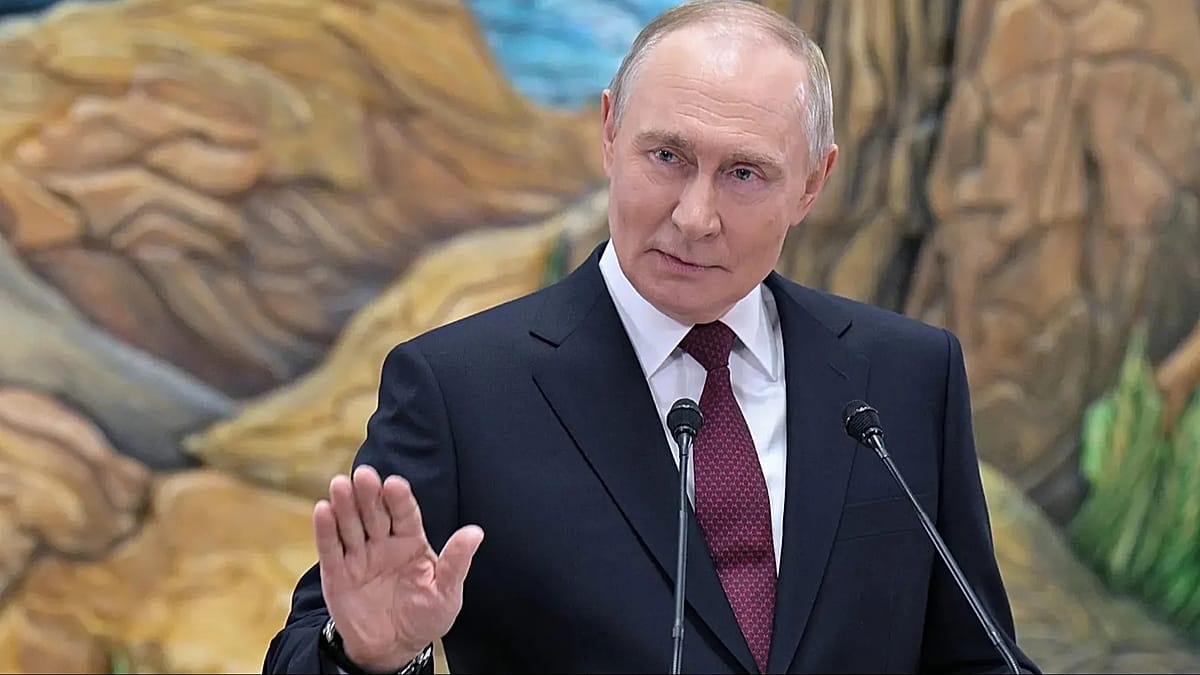
A key development has been the direct engagement of US negotiators with Russian President vladimir Putin in Russia prior to consulting with Ukrainian officials. Zelenskyy acknowledged this approach, stating he had hoped for a US visit to Ukraine but understood logistical challenges. This pre-engagement with Moscow, while potentially controversial, signals a US attempt to understand Russian red lines directly and potentially forge a pathway to de-escalation. The US team has now presented Ukraine’s position to Russia,a move Zelenskyy admits he’s unsure how the Kremlin will receive.
The Proposed Peace Plan: A Blend of kyiv and Brussels’ Positions
The core of the current effort revolves around a draft peace plan,initially a 28-point proposal from Moscow,that has undergone meaningful revisions. According to sources involved in the talks, the amended draft now largely reflects the positions of both Kyiv and brussels. While the specifics remain confidential, the plan is believed to address key areas of contention, moving away from Russia’s initial maximalist demands.
Zelenskyy indicated that Ukraine is finalizing its contribution to the document, aiming for completion “today or tomorrow.” The next steps involve US consultations with Russia in the coming days, followed by a review with the US President. A potential meeting between negotiating teams in the United States, possibly over the weekend, is also on the horizon, potentially culminating in a leaders’ summit – including a meeting with the US President. The speed of this process is notable, with the US seemingly pushing for a “quick conclusion,” while Ukraine emphasizes the importance of maintaining quality alongside expediency.
Moscow’s Entrenched Position and the “Root Causes” narrative
Despite the diplomatic flurry, the prospects for a genuine breakthrough remain uncertain. Moscow has consistently reiterated its demands, framing the conflict as a response to perceived threats and injustices. These include:
* ukraine’s NATO and EU Aspirations: Russia views Ukraine’s potential membership in these organizations as a direct threat to its security interests.
* Alleged NATO Expansion: The Kremlin claims NATO violated commitments not to expand eastward, a claim disputed by NATO and past evidence.
* Treatment of Ethnic Russians: Russia alleges discrimination against Russian-speaking populations in Ukraine, a charge Kyiv vehemently denies.
* “Denazification” of Ukraine: A baseless claim used by Putin to justify the invasion, portraying the Ukrainian government as controlled by extremist ideologies.
These arguments, repeatedly debunked, have served as the justification for the full-scale invasion. Moscow’s initial draft plan even included amnesty for russian forces for actions committed during the war - a demand that has likely been removed in the revised version. The Kremlin has dismissed the US-Ukraine talks as largely irrelevant, signaling a continued unwillingness to compromise on its core objectives.
Contingency Planning: Sanctions and Increased military Aid if Talks fail
Recognizing the potential for Moscow to reject the proposed plan, Zelenskyy has outlined a clear contingency strategy. He believes that a Russian rejection would prompt the US to escalate sanctions and increase military aid to Ukraine, specifically focusing on air defense systems and long-range weaponry.
“I think this is a reasonable request,” Zelenskyy stated, arguing that security guarantees backed by the threat of strong measures against Russian violations are essential. This highlights a growing sentiment in Kyiv that a credible deterrent is necessary to compel Russia to negotiate in good faith.
The Human Cost and Ukrainian Resolve
The ongoing conflict continues to exact a devastating toll on Ukrainian civilians. The UN human rights monitoring mission in Ukraine reported at least 226 civilian deaths and 952 injuries in November alone, attributing over half of these casualties to Russian long-range missile and drone attacks on densely populated areas.Millions of Ukrainians are facing prolonged hardship without essential services like electricity, heating, and water as Russia intensifies its attacks on critical infrastructure.
Despite the immense suffering, Ukrainian resolve remains remarkably strong. A recent survey by the Kyiv International Institute of Sociology (KIIS) revealed that 63% of Ukrainians are
Related reading