
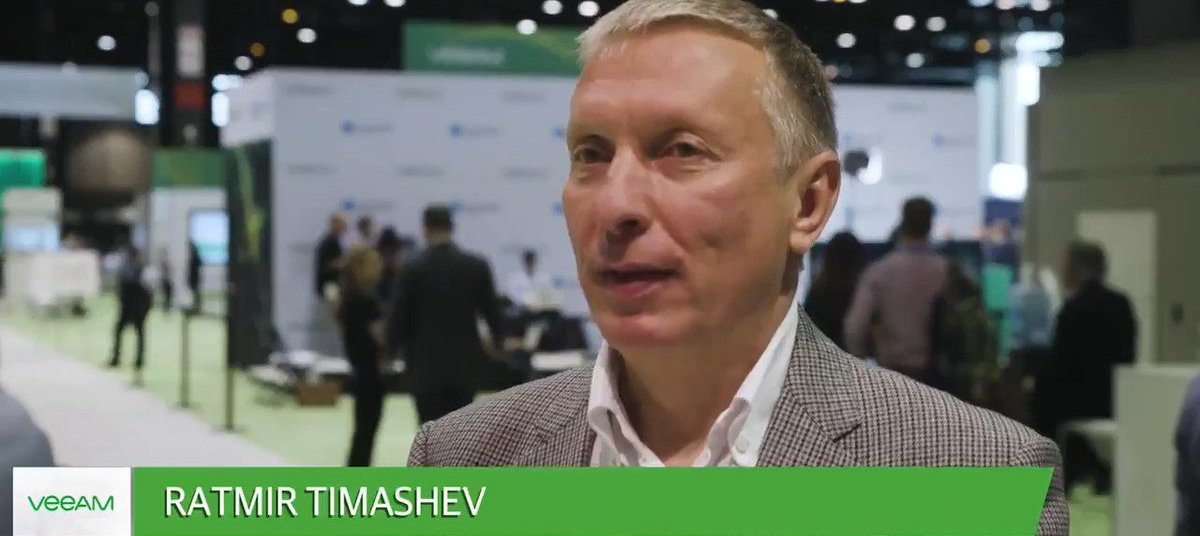
Technology entrepreneur Ratmir Timashev, co-founder of the data protection firm Veeam Software, has emerged as a significant investor in the Columbus, Ohio, region, seeking to transform the area into a burgeoning hub for artificial intelligence and high-tech development. According to property records and local business filings, Timashev has acquired substantial real estate holdings and is directing capital toward infrastructure projects intended to support a localized AI ecosystem, an initiative that aligns with broader efforts by state officials to position Ohio as a leader in the midwestern technology sector.
The push to establish an AI corridor in central Ohio arrives as the state continues to benefit from major capital investments, including the $20 billion Intel semiconductor manufacturing facility currently under construction in Licking County. State officials at JobsOhio, the private nonprofit corporation tasked with the state’s economic development, have highlighted the importance of attracting specialized talent and infrastructure to sustain long-term growth in the region. Timashev, who moved to the United States after his early academic years in Russia, has transitioned from his background in data management to focusing on the intersection of physical infrastructure and computational power.
The Strategy Behind the Ohio Tech Investment
Timashev’s approach in Ohio focuses on the acquisition and development of properties capable of supporting high-density computing needs. His investment strategy is rooted in the belief that the physical proximity of data centers to regional power grids and fiber-optic networks is the primary constraint for the next generation of AI development. By securing land and building out facilities in the Columbus area, he is positioning his ventures to serve the increasing demand for specialized cloud infrastructure.

Data from the City of Columbus indicates that the region has seen a surge in data center permit applications over the past 24 months, driven by both hyperscale cloud providers and private investors looking to capitalize on the area’s relatively affordable energy costs and central geographic location. Unlike coastal tech hubs, which often face severe land constraints, the Columbus metropolitan area offers the expansive real estate necessary for the large-scale cooling and power requirements of modern AI training clusters.
Economic Impact and Regional Development
The involvement of high-net-worth individuals in regional development projects represents a shift in how mid-sized cities manage industrial transformation. According to the Columbus Partnership, a group representing the city’s leading business and civic institutions, the goal is to create a “tech-ready” environment that can compete globally for talent and research capital. The influx of private investment from figures like Timashev is viewed by local planners as an essential component in diversifying the regional economy away from legacy manufacturing and toward software-defined infrastructure.
However, this rapid development is not without its challenges. The increased demand for electricity has prompted ongoing discussions between public utility regulators and large-scale developers regarding grid capacity and sustainability. The Public Utilities Commission of Ohio continues to oversee the regulatory framework for these power agreements, balancing the needs of industrial growth with the stability of the residential energy supply.
Transitioning from Data Protection to Infrastructure
Ratmir Timashev’s career trajectory offers context for his current focus. As a co-founder of Veeam Software, he helped build a company that became a global leader in backup and disaster recovery, eventually selling the firm for approximately $5 billion in 2020, as reported by Reuters. His pivot toward physical infrastructure suggests a long-term view of the AI market, where the physical hardware—the “picks and shovels” of the industry—becomes as valuable as the software running on it.
For the residents and local businesses in Ohio, the impact of these investments remains a subject of ongoing observation. While the construction phases of these projects create immediate demand for labor and services, the long-term goal is the establishment of a self-sustaining technology cluster that can attract secondary industries, including venture capital firms, AI research labs, and specialized engineering startups. The success of this vision depends heavily on the region’s ability to integrate these high-tech investments into the existing local community without displacing smaller enterprises or overstretching municipal infrastructure.
Future Developments and Oversight
The next phase of development for the proposed AI-focused projects will be subject to local zoning board reviews and environmental impact assessments throughout the upcoming calendar year. As these projects move from the planning stage to active development, the Mid-Ohio Regional Planning Commission is expected to release updated projections regarding the infrastructural demands placed on the city’s water and electrical systems. Investors and stakeholders are encouraged to monitor upcoming public hearings and municipal filings for specific project timelines and construction milestones.

We welcome your thoughts on the evolution of Ohio’s technology sector. Please share your perspective or report any community-level impacts in the comments section below.
Related reading
- Japan and China Clash Over Conflicting Reports of Foreign Ministers’ Meeting
- Saudi Arabia Under Houthi Attack: Iran Tensions and the Battle for Oil Security
- Russian Attack Targets Lukoil’s Offshore Oil Platform Filanovsky (world-today-news.com)
- US-Russian Space Crew Lands Safely in Kazakhstan After 241-Day ISS Mission (time.news)