
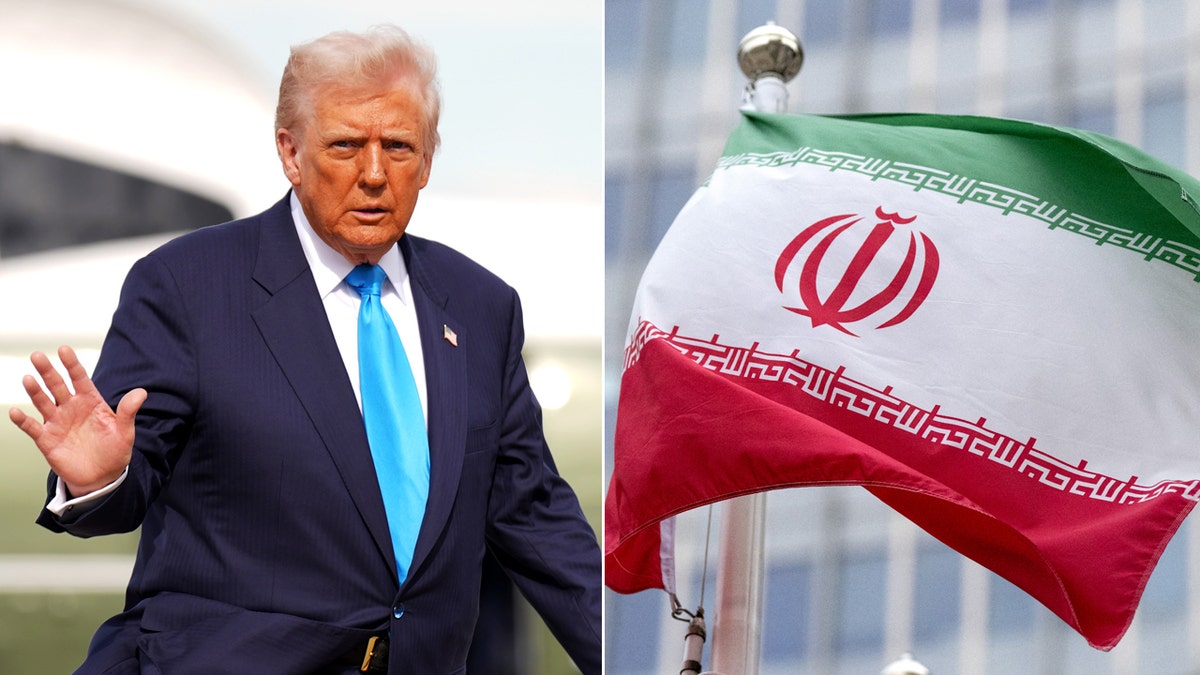
Donald Trump’s approach to Iran, defined by a “maximum pressure” campaign, has struggled to bridge the gap between his stated goal of securing a superior nuclear deal and the reality of increased Iranian nuclear activity and regional volatility. While the former president positioned himself as a master negotiator capable of forcing Tehran to the table, the subsequent withdrawal from the Joint Comprehensive Plan of Action (JCPOA) resulted in heightened tensions rather than a new diplomatic breakthrough.
The disconnect between the “dealmaker-in-chief” persona and the geopolitical outcomes in the Middle East has become a central point of debate among foreign policy experts. As the United States navigates shifting regional alliances, the legacy of the Trump administration’s Iran policy remains a critical factor in determining whether the region moves toward stability or enters a period of sustained crisis.
How the Maximum Pressure Campaign Altered Iran’s Nuclear Path
In May 2018, the Trump administration officially withdrew the United States from the Joint Comprehensive Plan of Action (JCPOA), a landmark agreement designed to limit Iran’s nuclear program in exchange for sanctions relief. This move initiated a policy known as “maximum pressure,” which utilized aggressive economic sanctions to cripple Iran’s ability to fund its regional proxies and nuclear ambitions.
According to reports from the International Atomic Energy Agency (IAEA), Iran responded to the re-imposition of U.S. sanctions by incrementally breaching the limits set by the original 2015 deal. Rather than returning to the negotiating table to accept more stringent terms, Tehran increased its uranium enrichment levels, moving beyond the 3.67% threshold established by the JCPOA to levels as high as 60%.

The economic impact of these sanctions was significant. The U.S. Department of the Treasury implemented secondary sanctions that targeted not only Iranian entities but also foreign banks and companies doing business with Tehran. While this successfully reduced Iran’s oil exports, it also led to increased regional friction, as Iran utilized its “shadow” networks and proxy groups in Lebanon, Yemen, and Iraq to respond to the economic blockade.
The strategy aimed to create a “breaking point” that would force a new, more comprehensive agreement. However, analysts argue that the policy lacked a clear “off-ramp”—a defined set of conditions under which sanctions would be lifted—which may have contributed to Iran’s continued defiance and nuclear escalation.
The Netanyahu Alliance and the Reshaping of Middle East Geopolitics
The Trump administration’s Iran policy was closely aligned with the strategic objectives of Israeli Prime Minister Benjamin Netanyahu. Both leaders viewed the JCPOA as fundamentally flawed and sought to isolate Iran through a combination of diplomatic and economic measures. This alignment was a cornerstone of a broader effort to reshape the Middle East through the Abraham Accords, which normalized relations between Israel and several Arab nations, including the United Arab Emirates and Bahrain.
This realignment sought to create a unified front against Iranian influence. By integrating Israel more deeply into the regional security architecture, the Trump administration aimed to diminish the effectiveness of Iran’s “axis of resistance.” This strategy shifted the regional focus from the Israel-Palestine conflict toward a broader confrontation between the “status quo” powers and Iran’s regional ambitions.
However, some geopolitical analysts suggest this shift has created a “permacrisis” environment. While the Abraham Accords represented a historic diplomatic achievement, they also heightened the stakes for regional conflict. The increased visibility of the Israel-Iran rivalry has made the Middle East more susceptible to rapid escalation, as seen in the direct exchanges of fire between the two nations in recent years.
The risk, according to regional security experts, is that the attempts to contain Iran have inadvertently created a more fractured and volatile landscape. The pursuit of a new regional order through transactional diplomacy has often clashed with the deep-seated ideological and territorial disputes that continue to drive instability in the Levant and the Gulf.
The Paradox of the “Dealmaker” Reputation
A central component of Donald Trump’s political identity is his reputation as a “dealmaker.” In the context of foreign policy, this meant bypassing traditional diplomatic channels in favor of direct, high-stakes negotiations. This approach was applied to various international issues, including the North Korean nuclear program and the Iran nuclear issue.
The criticism leveled against this approach is that it often prioritizes short-term political wins or visible “spectacle” over the long-term, incremental work of institutional diplomacy. In the case of Iran, the goal of a “grand bargain” often appeared at odds with the reality of the highly complex, multi-layered nature of the Iranian regime and its regional influence.
The tension is evident in the following areas:
- Transactional vs. Structural: Trump’s approach tended to be transactional, seeking specific concessions. In contrast, the Iran issue is structural, involving decades of religious, ideological, and territorial disputes that are difficult to resolve through single-event deals.
- Rhetoric vs. Implementation: While the administration frequently asserted that Iran was closer to a deal than ever, the actual implementation of policy—such as the withdrawal from the JCPOA—often moved the two nations further apart.
- Unpredictability as a Tool: The administration used unpredictability to gain leverage. While this can work in bilateral trade, in high-stakes nuclear diplomacy, it can lead to miscalculations by adversaries, increasing the risk of accidental war.
As a result, the “dealmaker” label has come under scrutiny. Critics argue that the inability to secure a new, comprehensive agreement despite years of maximum pressure suggests that the perceived strength of the “dealmaker” persona may not translate effectively to the complexities of Middle Eastern statecraft.
Comparing Strategic Approaches to Iran
To understand the current landscape, it is necessary to compare the different strategic philosophies that have governed U.S.-Iran relations over the last decade. The following table contrasts the primary elements of the Trump and Biden administrations’ approaches.
| Feature | Trump Administration Strategy | Biden Administration Strategy |
|---|---|---|
| Primary Objective | Maximum Pressure / Regime behavior change | Containment / Return to JCPOA framework |
| Nuclear Policy | Withdrawal from JCPOA; unilateral sanctions | Attempted diplomacy to revive JCPOA |
| Regional Approach | Reshaping alliances (Abraham Accords) | Stabilizing existing alliances/Multilateralism |
| Diplomatic Method | Unilateralism and transactionalism | Multilateralism and institutionalism |
| Outcome Status | Increased enrichment and regional tension | Stalled negotiations and ongoing volatility |
The transition between these two approaches has not necessarily resulted in a period of calm. Instead, the “maximum pressure” era left a legacy of increased Iranian nuclear capability, while the subsequent attempt at “re-engagement” has struggled to address the expanded scope of Iran’s regional activities and missile programs.
What Happens Next: The Future of U.S.-Iran Relations
The future of the Iran-U.S. relationship will likely be defined by three potential paths, each carrying significant costs for global security:
1. Continued Escalation: If both sides continue to prioritize military posturing and aggressive sanctions without a diplomatic framework, the risk of a direct kinetic conflict increases. This could involve strikes on nuclear facilities or heightened maritime tensions in the Strait of Hormuz.
2. Managed Containment: This path involves a focus on preventing nuclear breakout and limiting proxy activities through a combination of targeted sanctions and regional security guarantees, without necessarily seeking a full diplomatic reconciliation. This approach aims for stability but risks a “frozen conflict” that remains volatile.
3. A New Multilateral Framework: A return to large-scale diplomacy could theoretically produce a new agreement. However, for such a deal to be successful, it would likely need to address the issues that were omitted from the original JCPOA, such as Iran’s ballistic missile program and its regional proxy networks. This would require a level of consensus among global powers that is currently difficult to achieve.
Observers are closely watching the upcoming sessions of the United Nations and the reports from the IAEA for any signals of shifts in either Tehran’s enrichment capabilities or Washington’s willingness to engage in renewed negotiations. The next major checkpoint will be the release of the IAEA’s quarterly report on Iran’s nuclear status, which will provide the data necessary to gauge whether the current trajectory is one of containment or escalation.
What are your thoughts on the effectiveness of “maximum pressure” in the Middle East? Share this article and join the conversation in the comments below.
Worth a look