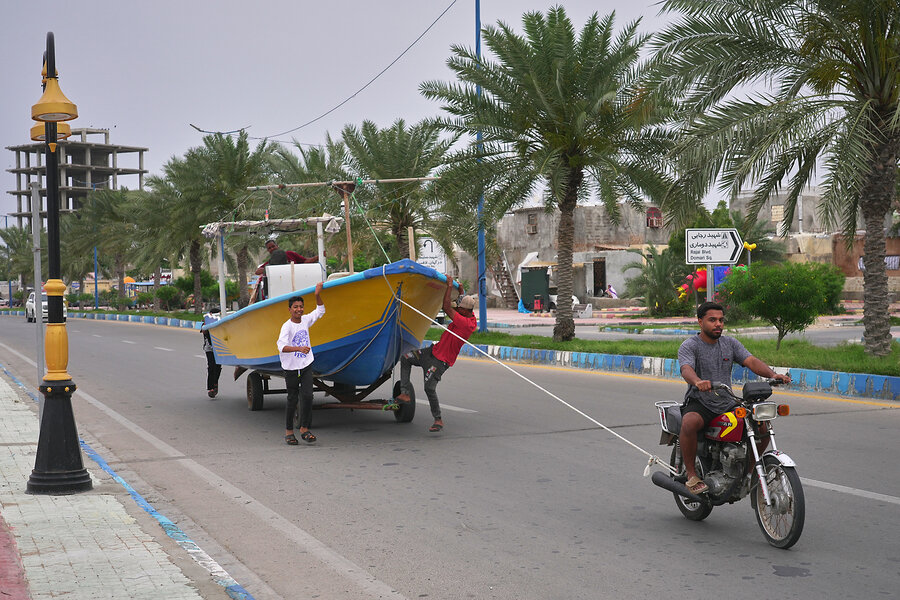
Iranians are navigating a period of profound economic and social uncertainty as international tensions fluctuate between diplomatic rhetoric and the threat of renewed military escalation. For millions of citizens, the daily reality is defined by the volatility of global policy, which directly impacts the value of the national currency, access to essential goods, and long-term personal stability. While international discourse often focuses on high-level statecraft and nuclear non-proliferation, the domestic impact remains a persistent, lived experience for those residing within the country.
The economic pressure on the Iranian population has intensified significantly over the past several years. According to the World Bank, Iran’s economy has faced severe challenges due to a combination of long-standing international sanctions, fiscal deficits, and high inflation rates that have eroded household purchasing power. These macroeconomic indicators translate into tangible hardships, including rising food prices and a scarcity of imported medical supplies, which remain exempt from many sanctions on paper but are often difficult to procure due to banking restrictions. The International Monetary Fund has noted that persistent structural imbalances continue to constrain growth, leaving the average Iranian to contend with a volatile rial and limited access to global financial systems.
Economic Volatility and Daily Life
The fluctuation of the Iranian rial against the U.S. dollar serves as a primary barometer for the country’s economic health. When political rhetoric suggests a potential for conflict or a breakdown in negotiations, currency markets often react immediately, leading to sharp spikes in the cost of imported consumer goods. Many small business owners and families report that they must adjust their pricing and spending habits on a weekly, sometimes daily, basis to account for this instability. The Middle East Institute highlights that this cycle of uncertainty discourages long-term investment by the private sector, trapping the economy in a state of stagnation that disproportionately affects the middle and working classes.
Beyond the currency markets, the healthcare sector faces systemic strain. Although humanitarian goods are generally protected under international legal frameworks, the Human Rights Watch has documented how financial sanctions create “over-compliance” among international banks, which fear penalties for processing transactions involving Iran. This leads to severe shortages of specialized drugs for chronic conditions, such as cancer and multiple sclerosis. Patients and their families are often forced to seek medication on the black market at significantly inflated prices, adding an immense psychological and financial burden to an already precarious situation.
The Impact of Shifting Diplomatic Stances
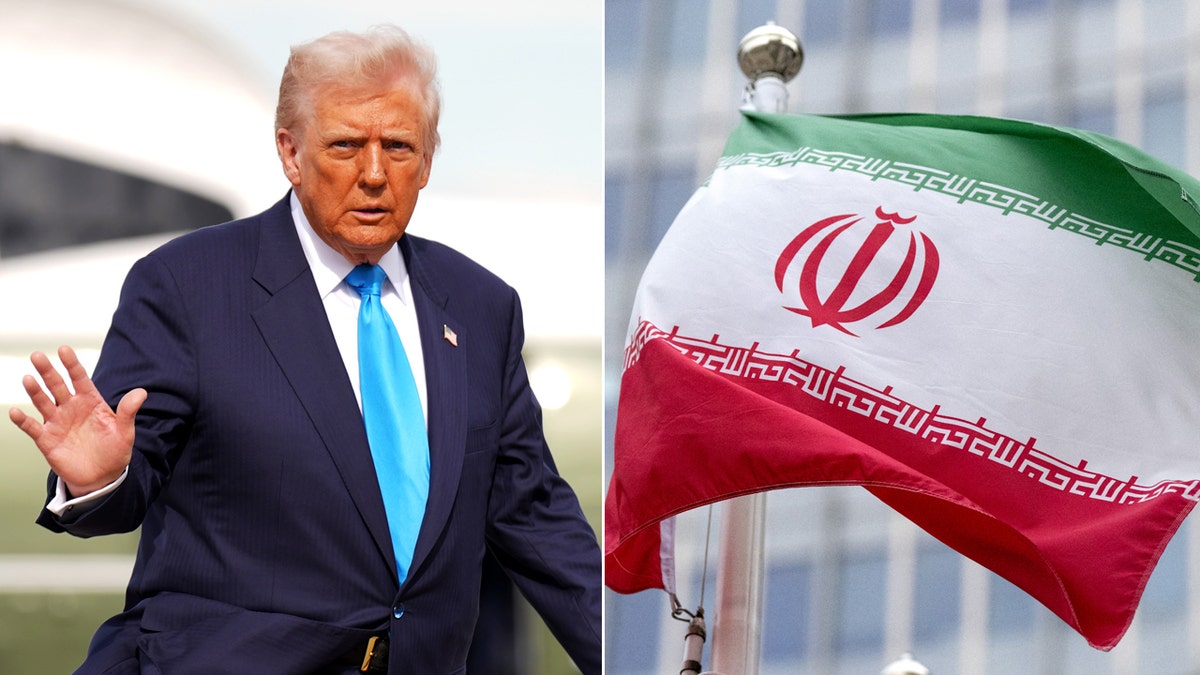
The international community remains divided on the most effective approach to addressing Iran’s regional influence and nuclear program. Statements from U.S. leadership regarding the potential for peace or the possibility of military action are closely monitored by Iranians, as these signals often dictate the tone of future international relations. Analysts at the Council on Foreign Relations observe that the lack of a consistent, long-term diplomatic strategy between Washington and Tehran has created a “perpetual state of crisis management.” This approach prevents the normalization of trade and makes it nearly impossible for foreign entities to engage with the Iranian market with any degree of certainty.
This atmosphere of limbo is not merely an economic issue; it is a social one. Younger generations, who are highly educated and globally connected through digital platforms, frequently express frustration at their isolation from the international community. The inability to travel easily, conduct international business, or access global academic resources contributes to a “brain drain,” where many of the country’s most skilled professionals seek opportunities abroad. The Brookings Institution suggests that this loss of human capital poses a significant threat to Iran’s domestic development, regardless of the outcome of current geopolitical tensions.
What Happens Next for the Iranian Population
The immediate future for the Iranian public remains tied to upcoming diplomatic milestones and potential policy shifts. Observers are closely watching for any movement regarding the potential revival of nuclear talks or the adjustment of current sanctions regimes. The International Atomic Energy Agency (IAEA) continues to provide technical oversight and regular reporting on Iran’s nuclear activities, which serves as a critical, fact-based baseline for international discussions. Any deviation from these reports or new findings regarding enrichment levels typically triggers immediate reactions from global powers, further influencing the climate of uncertainty.
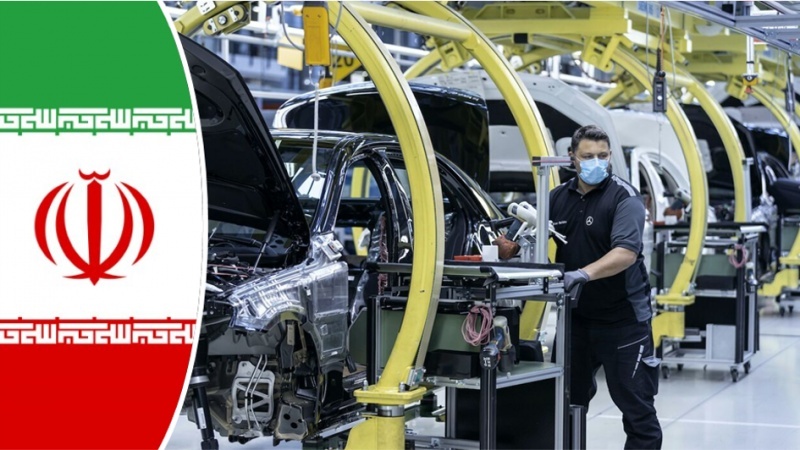
For those living in Iran, the focus remains on local resilience and the hope for a more predictable environment. While the geopolitical tug-of-war continues, the primary concern for the average citizen is the stabilization of living costs and the restoration of access to essential global services. As of the latest updates, no major breakthroughs in high-level negotiations have been formally confirmed, leaving the status quo largely intact. Citizens are encouraged to follow official updates from the United Nations and relevant humanitarian organizations for credible information regarding the impact of international policy changes on local conditions.
Readers are invited to share their perspectives on these developments in the comments section below. For ongoing coverage of international affairs and the humanitarian impact of global policy, continue following our reports here at the World Today Journal.
Keep reading