
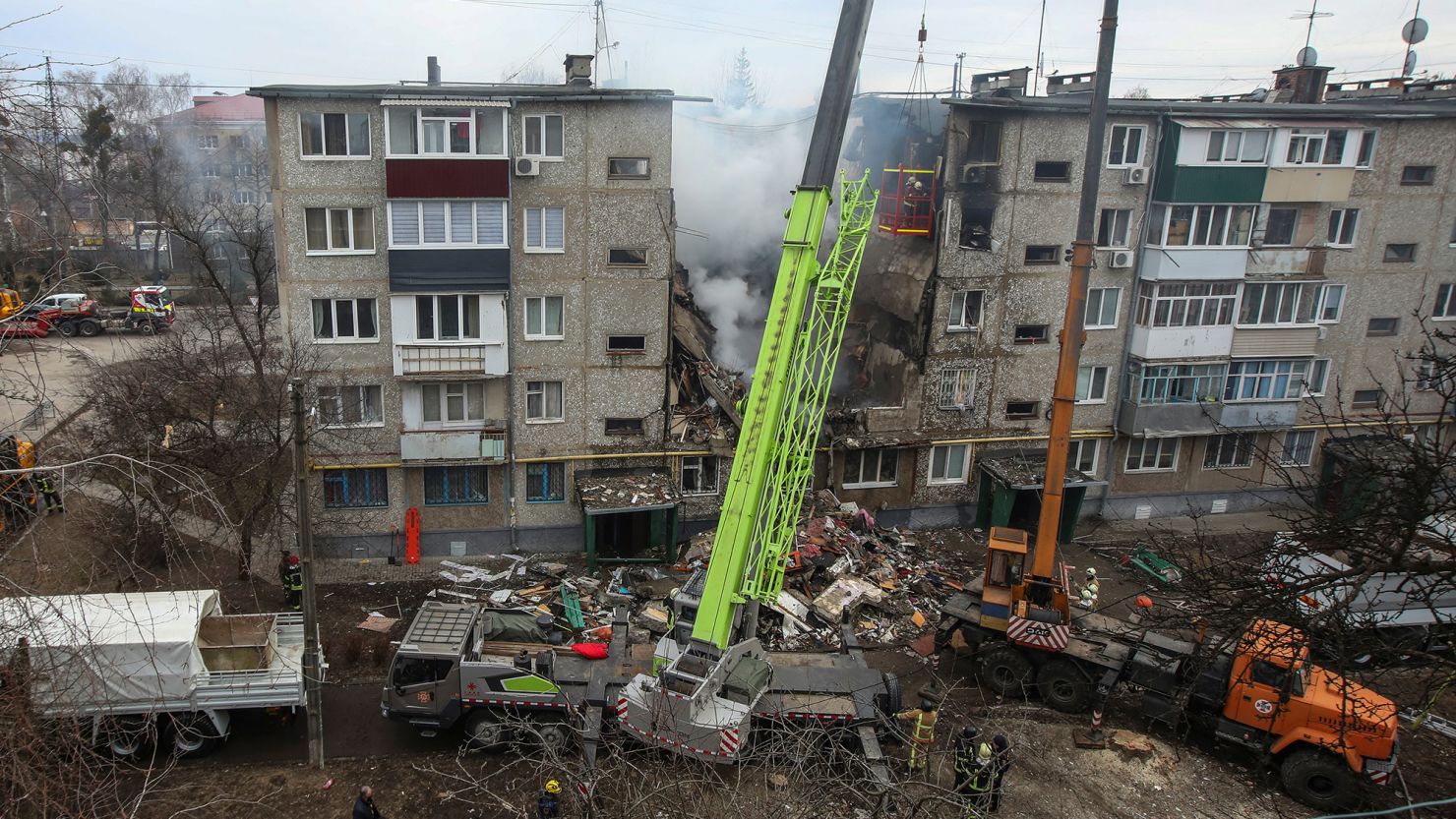
In a development that has once again underscored the precarious security environment along the NATO-Ukraine border, authorities in Romania have confirmed that fragments from an uncrewed aerial vehicle (UAV) impacted a residential area near the border with Ukraine. The incident, which occurred in the early hours of Friday, has prompted an immediate investigation by local law enforcement and military officials, as the region grapples with the escalating proximity of the ongoing conflict.
The drone strike, which affected a residential building in the vicinity of the border, resulted in two individuals sustaining minor injuries. While the immediate physical impact was contained, the event has sent shockwaves through the local community and renewed discussions regarding the integrity of Romanian airspace. As the regional geopolitical landscape remains volatile, the North Atlantic Treaty Organization (NATO) continues to monitor the security situation on its eastern flank, emphasizing the collective defense obligations that bind the alliance members.
Incident Overview and Official Response
According to the Romanian Ministry of National Defense, the alert was triggered following a series of Russian drone attacks targeting civilian infrastructure across the Danube River in Ukraine. The fragments identified at the site were consistent with the type of munitions utilized in recent long-range strikes. Officials confirmed that two people were treated for minor injuries, though no fatalities were reported at the scene. The Romanian Ministry of National Defense has since dispatched specialized teams to the area to conduct a thorough forensic analysis of the debris and to ensure the safety of the local residents.
This incident is not an isolated occurrence. Over the past year, multiple instances of drone debris have been discovered in Romanian territory following Russian strikes on Ukrainian port cities such as Izmail and Reni. These cities, located just across the Chilia branch of the Danube, have become frequent targets, leading to recurring concerns about the safety of Romanian citizens living in border towns. The Romanian government has consistently condemned these violations of its national airspace, labeling them a breach of international norms and a direct consequence of the ongoing war in Ukraine.
Geopolitical Implications for the Black Sea Region
For those of us observing the conflict from the perspective of international relations, this latest incident serves as a stark reminder of how “dramatically close” the war has moved to the borders of the European Union and NATO. The strategic importance of the Danube delta and the surrounding border regions has placed Romania in a unique and challenging position. While the Romanian authorities have maintained that there is no evidence of a deliberate attack on their soil, the recurring nature of these incursions complicates the regional security architecture.

The incident has also reignited debates within the European security community regarding the need for enhanced air defense systems in the Black Sea basin. NATO has already bolstered its presence in the region through enhanced air policing missions, yet the challenge of intercepting low-flying, small-scale drones remains significant. As analysts, we must consider the broader implications: how does a state navigate the fine line between regional solidarity with a neighbor and the imperative to avoid direct escalation? The diplomatic response from Bucharest has been measured, focusing on the protection of its citizens while maintaining close coordination with its allies in Brussels and Washington.
What So for Local Communities
The residents of border towns in Romania are living through an unprecedented era of uncertainty. The psychological impact of hearing the drone activity and the subsequent explosions just kilometers away cannot be overstated. Local administrations have been working to provide information to the public, including guidelines on what to do in the event of air raid sirens or the sighting of suspicious aerial objects. The RO-Alert system remains the primary tool for disseminating emergency warnings, and authorities are urging residents to remain vigilant and follow official instructions strictly.
Moving forward, the primary focus for the Romanian government will be twofold: maintaining the safety of its population and ensuring that the territorial integrity of the country is respected by all parties involved in the conflict. The Ministry of National Defense is expected to release further findings from the current investigation as the evidence is processed. We will continue to monitor the situation closely, as any further developments could have significant ramifications for the security posture of the entire region.
Key Takeaways for Our Readers
- Incident Details: Fragments of a drone impacted a residential building in Romania; two individuals sustained minor injuries.
- Official Status: The Romanian Ministry of National Defense is leading an investigation; the incident is being treated as a consequence of regional aerial warfare.
- Broader Context: This follows a pattern of debris falling in Romanian border zones following Russian strikes on Ukrainian infrastructure along the Danube.
- Safety Guidance: Residents are encouraged to monitor the RO-Alert system and follow local civil defense protocols.
The situation remains fluid. We anticipate further updates from the Romanian authorities regarding the specific origin and technical characteristics of the drone fragments in the coming days. As always, we are committed to providing you with verified and balanced reporting on these critical geopolitical developments. We invite our readers to share their thoughts and engage in a respectful discussion regarding the future of European security in the comments section below.
Keep reading