
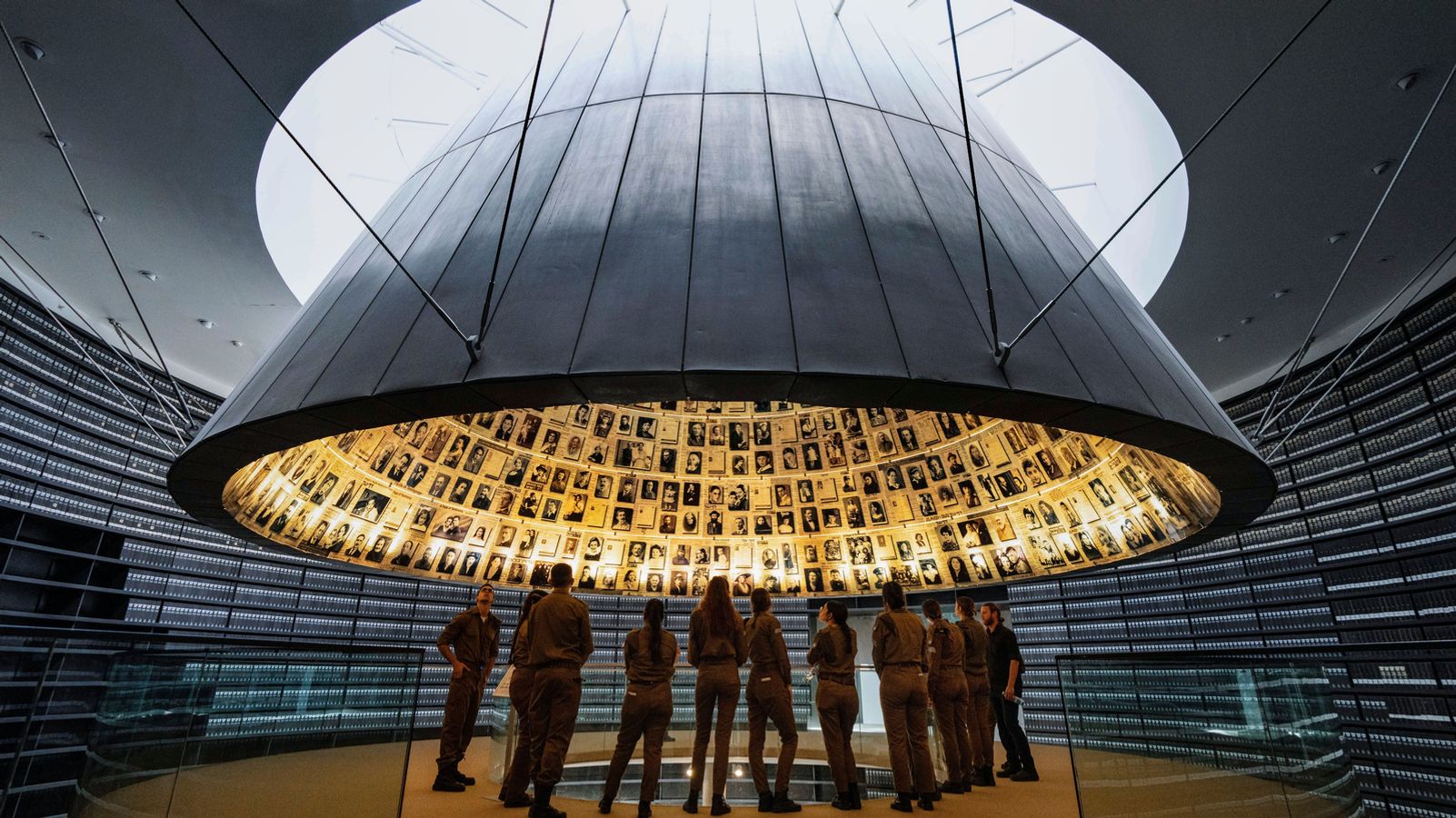
The city of Munich, historically significant as the birthplace of the National Socialist German Workers’ Party (NSDAP), is moving forward with plans to establish a new satellite location of the Yad Vashem Holocaust memorial. This initiative, which has garnered widespread support from local municipal leaders and a broad spectrum of political representatives, aims to deepen the educational engagement with the history of the Holocaust in a city once central to the rise of the Nazi regime.
Yad Vashem, the World Holocaust Remembrance Center headquartered in Jerusalem, serves as the primary international institution dedicated to the documentation, research, and commemoration of the Holocaust. The expansion into Munich represents a significant commitment to maintaining the memory of the victims and providing a permanent space for historical education in Germany. The project is seen as a vital step in addressing the historical legacy of the region through direct, institutional collaboration with the world’s leading authority on the subject. For further information on the mission and activities of the institution, readers can visit the official Yad Vashem website.
Strengthening Holocaust Education in Munich
The decision to place a branch of this institution in Munich is widely regarded as a symbolic and practical milestone. Munich’s history is inextricably linked to the early years of the Nazi movement, making the presence of an educational facility dedicated to the victims of that era particularly poignant. According to statements from local officials, the initiative is intended to foster a deeper understanding of the Holocaust among younger generations and provide researchers with greater access to educational resources.
The support from the Munich City Council and various political figures underscores a collective acknowledgment of the responsibility to preserve historical truth. By integrating the expertise of the Jerusalem-based center, the Munich site is expected to become a cornerstone for academic and public discourse on the events of 1933–1945. The collaboration reflects ongoing efforts by the Federal Republic of Germany to support remembrance projects that honor the millions of Jewish victims of the genocide.
The Role of Yad Vashem in Global Memory
Since its founding in 1953 by the Israeli Knesset, Yad Vashem has been tasked with the mission of preserving the memory of the six million Jews murdered by the Nazis and their collaborators. The center’s methodology—combining rigorous archival research with immersive memorial experiences—has set the standard for Holocaust remembrance globally. The establishment of a Munich branch will utilize these established methodologies to ensure that the narrative remains centered on the victims and the historical facts of the era.
Educational programs, which are a hallmark of the center’s work, will be central to the offerings at the new location. These programs are designed to combat historical revisionism and antisemitism by presenting documented evidence and personal testimonies. The involvement of German authorities in facilitating this site highlights a transparent approach to confronting the past, ensuring that educational efforts are grounded in verifiable, scholarly research.
Key Objectives of the New Site
- Historical Documentation: Providing public access to records and digital archives that detail the systematic persecution of European Jews.
- Educational Outreach: Developing curricula for schools and universities to ensure the history of the Holocaust remains a core component of civic education.
- Commemoration: Creating a space for reflection and remembrance that respects the dignity of the victims and survivors.
- Antisemitism Awareness: Using historical context to educate the public on the dangers of modern-day prejudice and extremism.
A Commitment to the Future
The project is currently in the planning and development phase, with ongoing consultations between the municipal government and the leadership of the Holocaust memorial. While specific timelines for the opening have yet to be finalized, the consensus among stakeholders remains strong. The initiative serves as a reminder that the work of remembrance is an ongoing process, requiring sustained institutional support and public engagement.
As the city continues to navigate its complex history, the presence of this memorial branch will serve as a permanent fixture for learning and reflection. It is an effort to ensure that the lessons of the past are not lost, but rather, are actively integrated into the fabric of contemporary society. The project stands as a testament to the importance of institutional partnerships in preserving the history of the Holocaust for future generations.
We will continue to monitor official announcements regarding the project’s timeline and the commencement of construction. For those interested in the broader context of how Germany addresses its historical responsibility, the official portal of the Federal Government of Germany provides extensive documentation on national remembrance policies and related commemorative initiatives.
What are your thoughts on this development? We invite our readers to share their perspectives on the role of international memorials in local education. Please feel free to join the conversation in the comments section below.