Russian Military Aircraft Briefly Enters Estonian Airspace, Prompting Diplomatic Protest
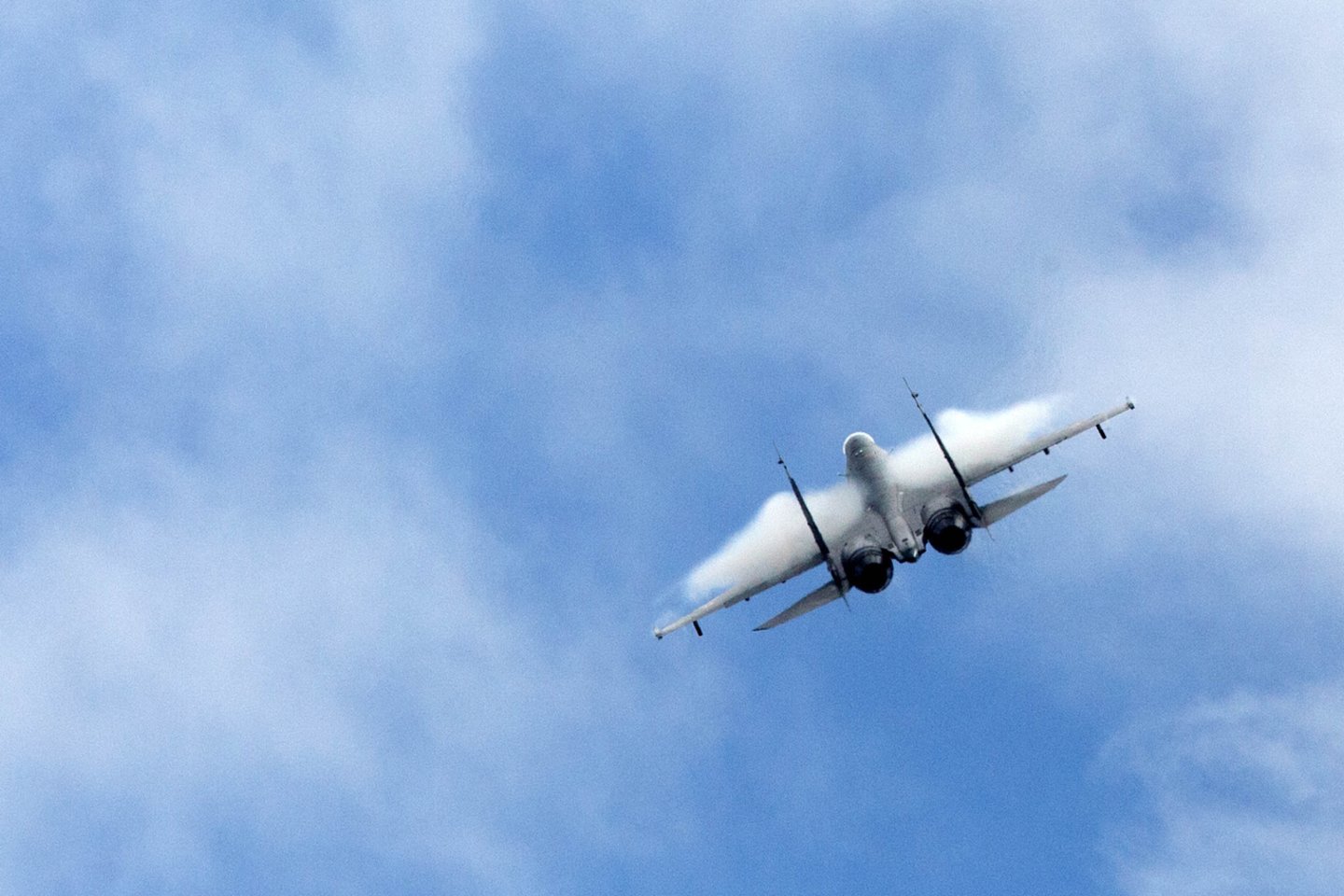
Tensions in the Baltic region flared on Thursday, March 19, 2026, as a Russian Sukhoi Su-30 fighter jet briefly violated Estonian airspace near Vaindloo Island. The incursion, lasting approximately one minute, prompted a swift response from Estonian authorities, who summoned the Russian chargé d’affaires to protest the incident. This event underscores the ongoing security concerns in the region and highlights the importance of the NATO air policing mission.
According to statements from the Estonian Foreign Ministry, the violation occurred without prior notification and was a clear breach of international airspace regulations. Margus Tsahkna, Estonia’s Foreign Minister, confirmed that Italian Air Force assets responded to the intrusion, and that Estonian security was not directly threatened. “The NATO Baltic air policing mission has been operating in Estonia since 2004, and this incident once again demonstrates that the mission is functioning effectively and adhering to established procedures,” Tsahkna stated. Lrytas.lt reported on the incident, detailing the swift diplomatic response.
A Pattern of Incursions and Recent Regional Tensions
While Estonian officials have characterized this as the first airspace violation by a Russian aircraft this year, incursions of this nature are not uncommon. Over the past decade, Russian fighter jets have regularly, though typically briefly, crossed into Estonian airspace. These intrusions are usually intercepted by NATO’s Baltic Air Policing unit stationed at Ämari Air Base. The longest such incursion occurred last September, when three Russian aircraft remained in Estonian airspace for over 10 minutes. Reports indicate that these events often involve aircraft with transponders switched off and a lack of communication with Estonian air traffic control.
The incident comes amidst heightened regional tensions. Earlier this month, a Russian icebreaker entered Estonian waters without permission, further escalating concerns about Russia’s assertive behavior in the Baltic Sea. This latest airspace violation is likely to fuel calls for increased vigilance and a stronger NATO presence in the region. The Baltic states, particularly Estonia and Latvia, have been vocal about their concerns regarding Russia’s military activities and its potential for destabilization.
Diplomatic Response and Coordinated Baltic Action
Estonia’s response to the airspace violation was swift and decisive. The summoning of the Russian chargé d’affaires underscores the seriousness with which Estonia views the incident. The Estonian Foreign Ministry delivered a formal protest note, demanding an explanation and assurances that such violations will not be repeated.
The response wasn’t limited to Estonia. Lithuania also summoned the Russian ambassador to express its solidarity with Estonia and to lodge a protest against Russia’s actions. According to the Estonian Foreign Ministry, this was a coordinated effort by the Baltic states, demonstrating a united front against perceived Russian aggression. DELFI news reported that Lithuania’s move was a clear signal of support for Estonia.
The Role of NATO and Baltic Air Policing
The NATO Baltic Air Policing mission, established in 2004, plays a crucial role in safeguarding the airspace of Estonia, Latvia, and Lithuania, which do not have their own dedicated air defense capabilities. The mission involves rotating deployments of fighter aircraft from NATO member states, providing a continuous air defense presence. The quick response to the recent airspace violation by Italian Air Force jets highlights the effectiveness of this mission and its ability to deter potential aggressors.
The Baltic Air Policing mission operates under a strict set of rules of engagement, prioritizing the interception and identification of unidentified aircraft. While the mission is primarily defensive in nature, it serves as a powerful deterrent and a clear signal of NATO’s commitment to the security of its Baltic allies. The mission’s success relies on close coordination between NATO member states and the host nations, ensuring a seamless and effective air defense capability.
Broader Implications for Regional Security
The recent airspace violation and the earlier incident involving the Russian icebreaker raise broader questions about Russia’s intentions in the Baltic Sea region. Analysts suggest that these actions may be part of a deliberate strategy to test NATO’s resolve and to exert pressure on the Baltic states. The incidents also come against the backdrop of the ongoing conflict in Ukraine, which has significantly heightened tensions between Russia and the West.
The Baltic states have been among the most vocal supporters of Ukraine, providing military and humanitarian aid. This support has undoubtedly angered Russia, which views the Baltic states as strategically important and as potential staging grounds for further Western involvement in the conflict. The recent incidents may be seen as a warning from Russia to the Baltic states to curtail their support for Ukraine.
The situation underscores the need for continued vigilance and a strong NATO presence in the Baltic region. The Baltic states are heavily reliant on NATO for their security, and any weakening of the alliance’s commitment would be viewed with deep concern. The ongoing air policing mission and the potential for increased military deployments are essential to deterring further Russian aggression and ensuring the stability of the region.
Looking ahead, the Baltic states will likely continue to advocate for a stronger NATO presence and for increased defense spending. They will also seek to strengthen their bilateral and multilateral cooperation with other regional partners, such as Poland and the Nordic countries, to enhance their collective security. The recent airspace violation serves as a stark reminder of the challenges facing the Baltic states and the importance of maintaining a robust defense posture.
The next step in this unfolding situation will be the response from Russia to the diplomatic protests lodged by Estonia and Lithuania. Further developments are expected in the coming days as NATO assesses the incident and considers potential adjustments to its air policing mission. Readers are encouraged to follow updates from official sources, such as the Estonian Foreign Ministry and NATO’s official website, for the latest information.
What are your thoughts on the escalating tensions in the Baltic region? Share your comments below and join the conversation.
Keep reading