Ukraine’s Funding Future: The Debate Over Frozen Russian Assets
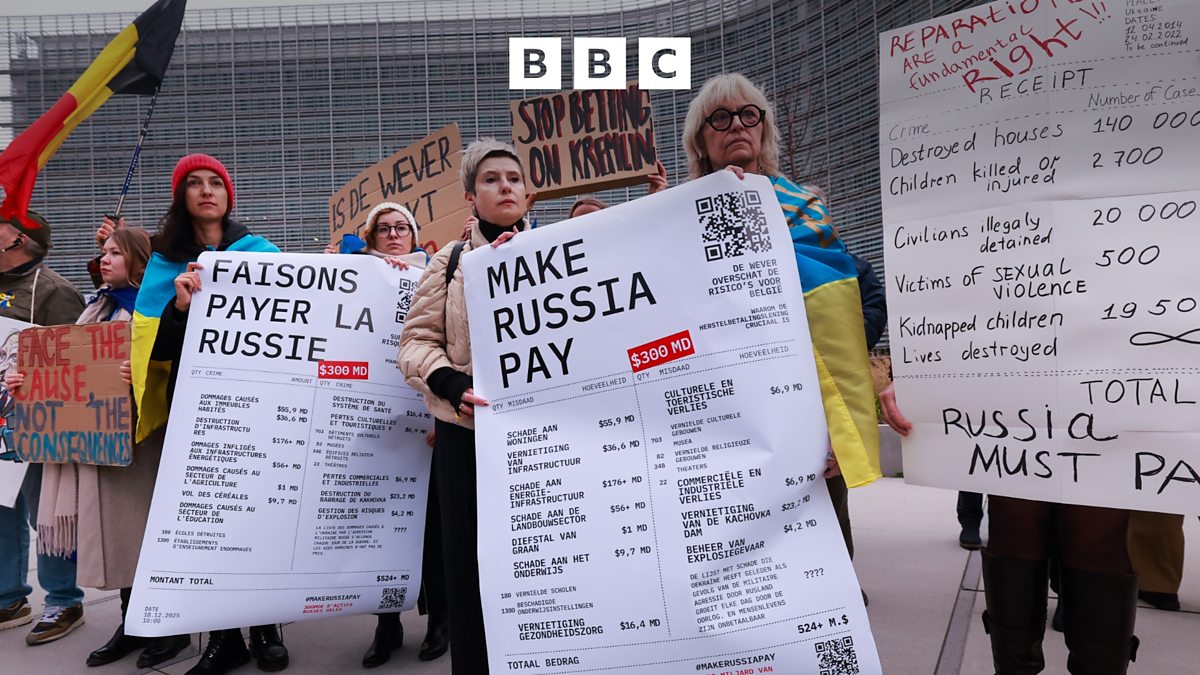
The future of Ukraine’s war effort hangs in the balance as European Union leaders grapple with a contentious issue: utilizing frozen Russian assets to bolster Kyiv’s defenses. Belgium, currently holding the majority of these funds, faces mounting pressure to relinquish its opposition. This debate isn’t just about finances; it’s about the very sustainability of Ukraine’s resistance and the implications for international financial law.
The Stakes Are High for Ukraine
Volodymyr Zelenskyy, Ukraine’s president, recently warned that a failure to access these funds would necessitate cuts to crucial drone production. Drones have proven vital for Ukraine, serving as both a defensive shield and a key component of its counteroffensive strategy.Without consistent funding, Ukraine’s ability to maintain this technological edge is severely compromised.
Consider the broader implications. Reduced drone production translates to a weakened defense, potentially altering the trajectory of the conflict and emboldening Russian aggression. This situation underscores the urgency of finding a viable financial solution for Ukraine.
Why Belgium Holds the Key – and the hesitation
Approximately €210 billion in Russian central bank assets are currently frozen across the EU, with the vast majority held by Euroclear, a Belgian financial services company. Belgium’s reluctance stems from legal concerns and potential repercussions.
Specifically, Belgian authorities worry about potential lawsuits from Russia and the precedent it could set for sovereign immunity. They also question whether seizing assets – even those belonging to a state accused of aggression – aligns with international law. this cautious approach, while legally grounded, is increasingly viewed as hindering a critical lifeline for Ukraine.
The EU’s Proposed Solutions: A Complex Landscape
Several proposals are on the table, each with its own complexities. One leading idea involves using the profits generated from the frozen assets – estimated at €3 billion annually – rather than the principal itself. This approach aims to mitigate legal risks while still providing considerable financial aid to Ukraine.
Another suggestion involves establishing a dedicated fund, financed by these profits, specifically for Ukraine’s reconstruction. Though, reaching a consensus among all 27 EU member states remains a significant hurdle. Some nations advocate for a more aggressive approach, including outright confiscation of the assets, while others remain hesitant.
Beyond Ukraine: Global Implications of Asset Seizure
The debate extends far beyond the immediate needs of Ukraine. It raises essential questions about the future of international finance and the power of economic sanctions.If states can unilaterally seize the assets of other nations, even in response to aggression, it could destabilize the global financial system.
You might wonder, what safeguards are in place to prevent abuse? This is precisely the concern driving Belgium’s caution and fueling the broader debate within the EU. The outcome of this discussion will undoubtedly shape the landscape of international finance for years to come.
Other Global Headlines: A Rapid Update
* Sudan Power Crisis: Major cities in Sudan are experiencing widespread power cuts, reportedly caused by drone attacks from the paramilitary Rapid Support Forces. This escalating conflict is exacerbating an already dire humanitarian situation.
* French Doctor Jailed: A French doctor received a life sentence for poisoning dozens of patients. The case has shocked the nation and raised serious questions about medical ethics and oversight.
* Remembering Peter Arnett: Pulitzer Prize-winning war reporter Peter Arnett has died at the age of 91. His courageous reporting from conflict zones around the world left an indelible mark on journalism.
* FIFA & Netflix Partnership: FIFA is teaming up with Netflix to launch a new football game that doesn’t require a gaming console. This innovative move aims to broaden the reach of the sport and engage a new generation of fans.
Evergreen Insights: The Evolving Nature of Economic Warfare
Economic sanctions have long been a tool of foreign policy, but their application has become increasingly elegant in recent years. The freezing of Russian assets represents a new frontier in economic warfare, pushing the boundaries of international law and challenging traditional norms.
Historically, sanctions focused on trade restrictions and financial limitations. Today, we’re seeing a shift towards targeting the assets of sovereign wealth funds and central banks. This trend reflects a growing recognition of the power of financial leverage in international relations. However, it also raises complex ethical and legal questions that require careful consideration.