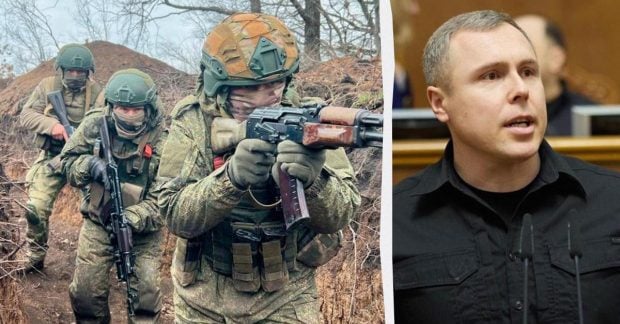
As of June 2026, the ongoing conflict in Ukraine continues to be defined by high-intensity front-line combat and a persistent campaign of mid-range strikes targeting logistics networks. Military assessments indicate that while Russian forces have maintained offensive operations, their progress has been constrained by Ukrainian efforts to disrupt ground lines of communication (GLOCs) deep behind the front, including strikes as far as 205 kilometers from Ukrainian positions.
The operational landscape remains volatile, with both sides navigating the logistical and tactical challenges of a war that has seen limited territorial shifts in the first half of 2026. According to the Institute for the Study of War, Russian forces seized approximately 104 square kilometers of territory between the start of 2026 and May 26, a figure that highlights the grinding nature of current engagements compared to earlier phases of the conflict. Russian Offensive Campaign Assessment, May 31, 2026.
Logistics and the Mid-Range Strike Campaign
Ukraine has increasingly focused its operational strategy on disrupting the Russian military’s ability to sustain its frontline units. By targeting depots, armor, and transport routes, Ukrainian forces aim to create cascading effects that inhibit Russian advances. The Ukrainian 3rd Army Corps reported on May 31 that its forces have established drone-enabled fire control over several key hubs in occupied Luhansk Oblast, including Luhansk City, Starobilsk, and Alchevsk. Russian Offensive Campaign Assessment, May 31, 2026.
Geolocated footage from late May confirms that these strikes are not limited to localized skirmishes but represent a theater-wide effort to compromise Russian logistics. Key infrastructure, such as the Debaltseve-Luhansk City highway and the M-14 route connecting Mariupol to southern logistics nodes, has been subject to regular interdiction. These actions are designed to force Russian commanders to relocate ammunition and fuel storage further from the front, complicating the delivery of supplies to active combat zones.
The Human and Economic Cost of the Conflict
The broader impact of the war, now more than four years into Russia’s full-scale invasion, remains severe. Data from the Center for Preventive Action indicates that fighting and air strikes have resulted in nearly 56,000 civilian casualties. The displacement crisis persists, with 3.7 million people internally displaced and 5.9 million registered as refugees across Europe and beyond. War in Ukraine | Global Conflict Tracker.
International support has been a critical factor in Ukraine’s defensive posture. Since January 2022, the United States has provided approximately $188 billion in aid, while the European Union has contributed roughly $197 billion. Despite this significant influx of resources, the front lines remain heavily contested, with Russia continuing to occupy approximately 20 percent of Ukrainian territory. War in Ukraine | Global Conflict Tracker.
Strategic Outlook and Escalation Risks
The discourse surrounding the potential for further escalation, including the use of non-conventional weapons, remains a subject of intense international scrutiny. While speculative scenarios regarding tactical nuclear weapons are frequently debated in policy circles, official reports have focused on the established presence of such assets in the region. Russia announced the movement of tactical nuclear weapons into Belarus in June 2023, a development confirmed by Belarusian authorities in December of that same year. War in Ukraine | Global Conflict Tracker.
As the conflict enters the second half of 2026, the primary focus for military analysts remains the effectiveness of Ukraine’s strike campaign against Russian logistics and the ability of Russian forces to maintain their current rate of advance. The situation remains fluid, and observers are closely monitoring official reports from the Ukrainian Armed Forces and independent assessments for updates on the battlefield status.
Readers interested in the latest developments are encouraged to follow official briefings from the Ukrainian Ministry of Defense and independent monitors such as the Institute for the Study of War. We welcome your thoughts on these developments in the comments section below.
Related reading