
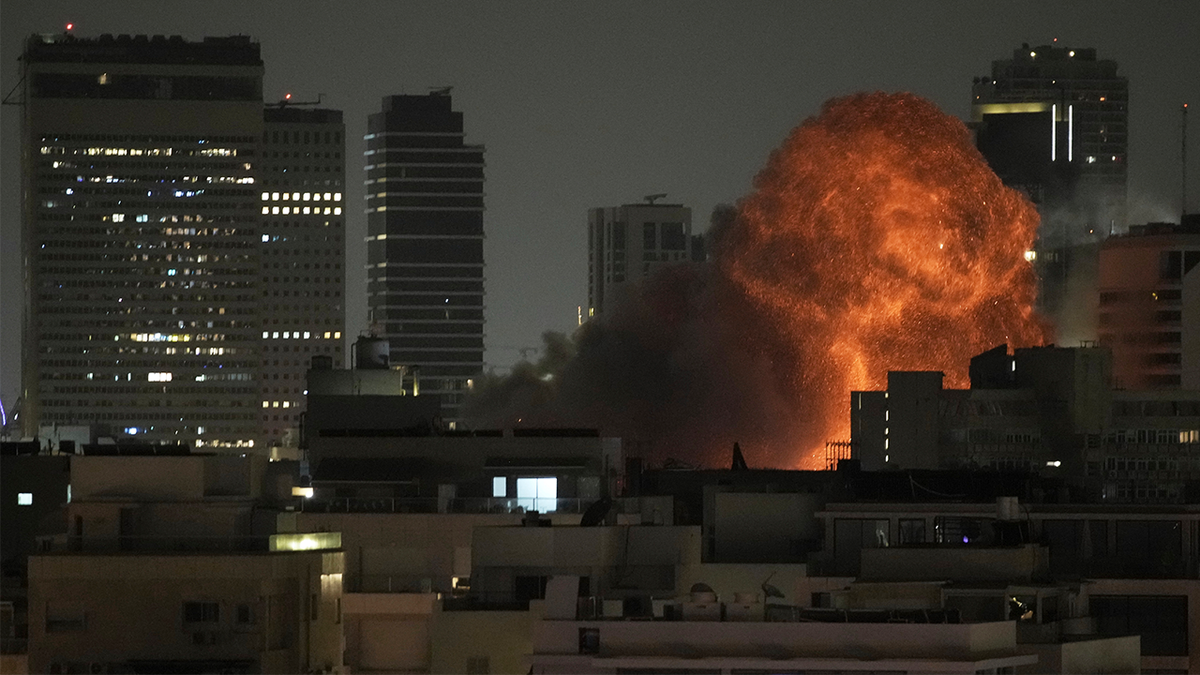
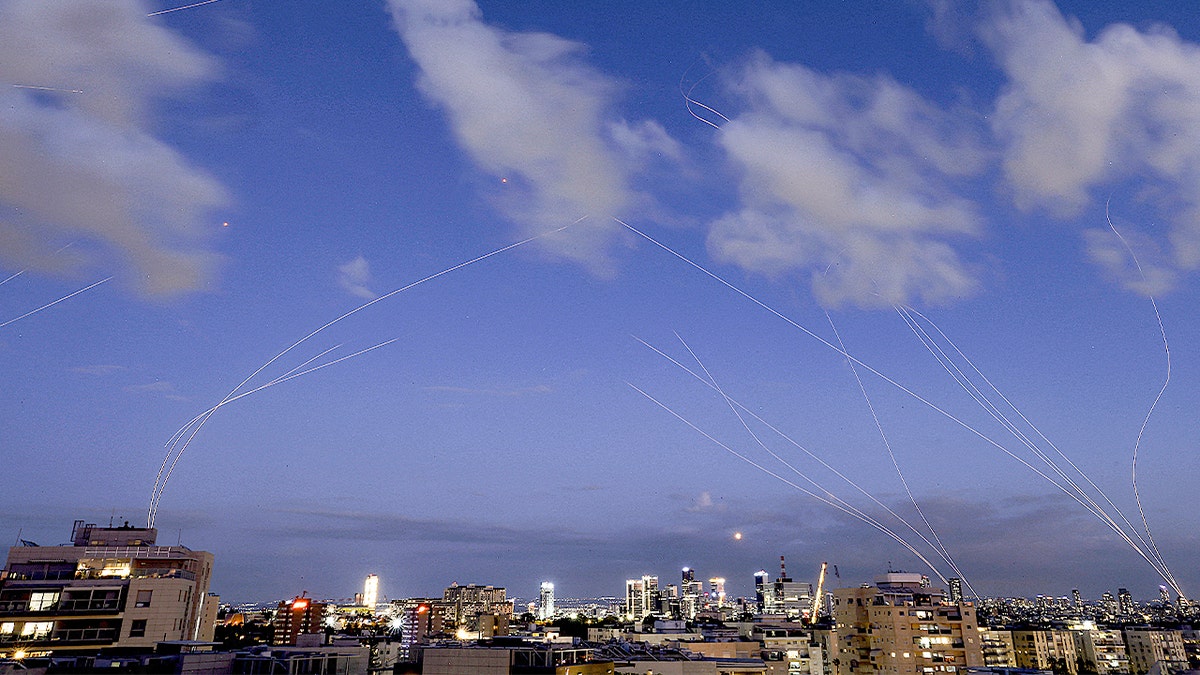
Heavy explosions have been reported across Tel Aviv as regional tensions escalate, marked by an intensified barrage of missiles and aerial threats. Residents in the area have witnessed multiple interceptions in the skies above the city, according to reports from correspondents on the ground. The situation remains fluid as authorities assess the impact of the latest wave of projectiles.
This escalation follows a period of heightened military activity in the region, where defense systems have been tasked with countering a significant volume of incoming threats. For those seeking official updates and safety guidance, the Home Front Command provides real-time alerts and instructions for the public during emergency situations.
The Current Regional Defense Landscape
The recent activity highlights a complex dynamic in regional air defense. According to a report from the Jewish Institute for National Security of America (JINSA), allied forces have successfully intercepted more than 90% of Iranian projectiles during the current conflict. This high rate of success is attributed to a layered regional air defense architecture that has been developed through years of international coordination, integrating radar coverage and pre-positioned military assets.
Despite the effectiveness of these defensive measures, the sustainability of such operations has become a focal point for security analysts. The disparity between the cost of offensive weaponry—specifically drones and missiles—and the interceptors required to neutralize them presents a long-term challenge for regional security planners. As the conflict continues, the focus remains on the capacity of these integrated systems to maintain their current performance levels while managing the high volume of incoming targets.
Operational Data and Military Reporting
During a press briefing on Wednesday, White House Press Secretary Karoline Leavitt provided an update on the scale of the ongoing military engagements. Leavitt stated that more than 9,000 enemy targets have been struck to date, noting that Iran’s ballistic missile and drone attacks have decreased by roughly 90%. Furthermore, U.S. forces have reported the destruction of over 140 Iranian naval vessels, a figure that includes nearly 50 mine layers, according to official statements from the Department of Defense.
The intensity of the barrages, characterized by the heavy explosions heard in Tel Aviv, underscores the volatility of the present environment. While the interception rates remain high, the persistent nature of the threats continues to disrupt daily life and keep regional security forces on high alert. The integration of U.S., Israeli, and various regional systems continues to be the primary mechanism for mitigating the threat posed by these barrages.
What Happens Next
As the situation develops, international observers are closely monitoring the potential for further escalation. The effectiveness of the integrated air defense systems will likely remain a critical factor in determining the trajectory of the conflict. Official channels, including the Israel Defense Forces (IDF), continue to provide the most accurate information regarding local safety protocols and ongoing military operations.
We will continue to provide updates as verified information becomes available from official military and government sources. Our editorial team at the World Today Journal remains committed to tracking these developments with the rigor and accuracy that our readers expect. We invite you to share your thoughts or questions in the comments section below as we monitor the next phase of this evolving situation.
Related reading