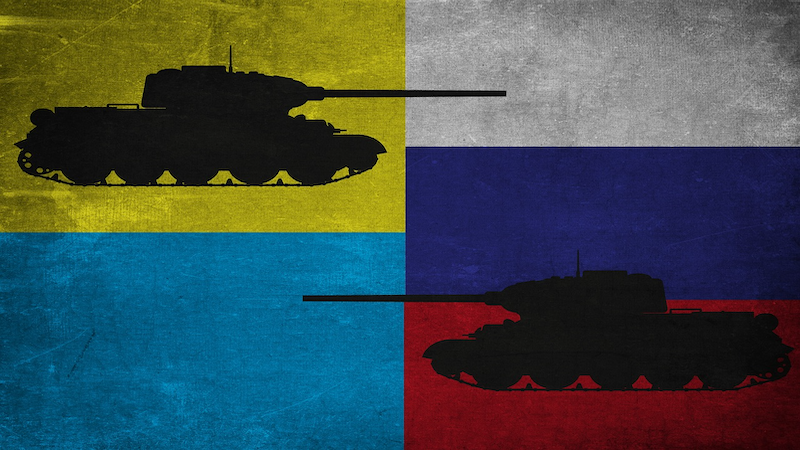
The Fading Echo of Imperial Russia: Why the “No Victory in Ukraine, No Russia” Narrative is a Risky Delusion
The Kremlin’s insistence that Russia’s very existence hinges on victory in Ukraine has become a chilling refrain. But is this claim rooted in genuine strategic concern, or a desperate attempt to justify a failing war based on outdated ideologies? Increasingly, dissenting voices – even within Russia itself – argue the latter. This narrative, while potent for domestic consumption, is not only divorced from modern realities but actively detrimental to Russia’s future, argues Dimitry Savvin, editor of the Riga-based Russian conservative portal Harbin (https://harbin.lv/est-li-u-rossii-budushchee-bez-ukrainy). Let’s unpack why this “existential threat” framing is a dangerous delusion, and how it misunderstands both Russia’s past and it’s present.
A Past Argument Built on Shifting Sands
Savvin’s analysis centers on the crucial point that the historical context underpinning this claim is fundamentally different today.In the 19th century, the argument held a degree of validity. Imperial Russia’s economy was heavily reliant on grain exports, largely sourced from Ukrainian territories. Furthermore, the ethnic Russian population was a smaller proportion of the overall empire – around 44% – and the loss of Ukraine would have significantly altered the demographic landscape. Maintaining control over Ukraine was, thus, seen as vital for economic stability and preserving a Russian demographic majority.
Though, the world has undergone a seismic shift. Russia’s economic engine is no longer driven by agriculture. Instead, it’s overwhelmingly dependent on the export of oil and gas – resources primarily located within the Russian Federation itself, not Ukraine. Data from the Russian Federal State Statistics Service (Rosstat) consistently demonstrates the dominance of energy exports in Russia’s revenue stream (https://rosstat.gov.ru/).
Moreover, the demographic situation has dramatically changed. today, ethnic Russians comprise over 70% of the population within the borders of the Russian Federation. The fear of being demographically overwhelmed is, thus, largely unfounded. To cling to a 19th-century rationale in the 21st century is not just inaccurate; it’s demonstrably absurd.
The War as a Catalyst for Russia’s Decline
Savvin goes further,arguing that the war in Ukraine isn’t preserving the Russian ethnonational core – it’s actively eroding it. The conflict is inflicting devastating losses on the battlefield, contributing to a declining birthrate, and prompting an influx of migrants from Central Asia and other regions. This demographic shift, coupled with the economic strain of sanctions and military expenditure, is weakening the very foundations of Russian society.
The human cost is staggering. Estimates of Russian military casualties vary, but even conservative figures point to tens of thousands of deaths and injuries. This loss of young men has a profound impact on future demographics and economic productivity. Furthermore, the brain drain - the emigration of skilled professionals – is exacerbating the problem, depriving Russia of vital human capital. Recent reports from the Atlantic Council detail the scale of this exodus (https://www.atlanticcouncil.org/blogs/russia-direct/russian-brain-drain-continues-as-war-in-ukraine-drags-on/).
Who Benefits from This Delusion?
Savvin doesn’t shy away from naming those he believes are perpetuating this dangerous narrative: the entrenched power structures within the Kremlin. He argues that this rhetoric serves to justify their continued grip on power, nonetheless of the cost to the Russian people. this isn’t simply a disagreement over strategy; it’s a fundamental critique of the regime itself.
He posits that a loss in Ukraine, while painful, could ultimately be a catalyst for positive change, allowing Russia to break free from a leadership that has consistently prioritized its own interests over the well-being of the nation. This perspective challenges the prevailing narrative of nationalistic fervor and suggests that a different future – one based on genuine reform and international cooperation – is possible.
Evergreen Insights: The Cycle of Imperial Overreach
Throughout history, empires have often fallen victim to the
Related reading