
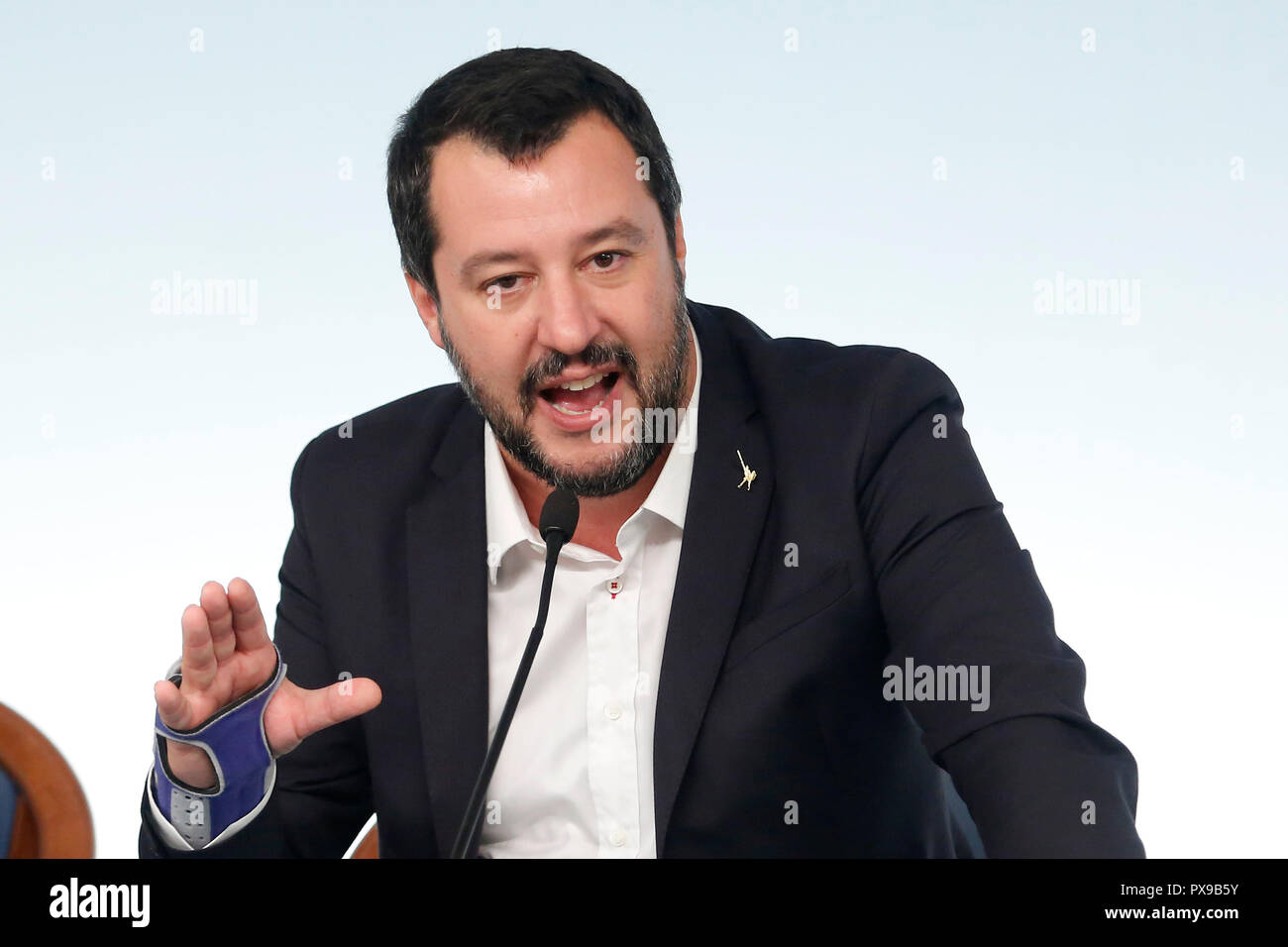
In the evolving landscape of Italian economic policy, recent discourse from government leadership has once again turned toward the role of the banking sector in fostering national growth. Matteo Salvini, serving as Deputy Prime Minister and Minister of Infrastructure and Transport, has publicly advocated for financial institutions to provide a greater contribution toward the country’s economic development. These remarks, which have drawn significant attention from market analysts and investors, highlight a recurring tension between political objectives and market stability at Piazza Affari.
The Italian banking sector, represented by major entities including Intesa Sanpaolo and UniCredit, operates within a complex regulatory environment governed by both the Bank of Italy and the European Central Bank (ECB). As policymakers weigh the necessity of fiscal support against the autonomy of private financial institutions, market participants remain sensitive to any rhetoric that might signal shifts in taxation or mandatory social contributions.
The Intersection of Political Rhetoric and Market Valuation
The impact of statements from high-ranking officials on stock market performance is a well-documented phenomenon in European financial markets. When government figures call for specific industries to contribute more to the national treasury—often framed as a windfall tax or a social responsibility contribution—investors typically react by reassessing the risk profiles of the affected companies. For shareholders of major Italian lenders, the primary concern remains the predictability of the regulatory environment and the impact of such proposals on capital distribution and dividend policies.

Market analysts often look to the Borsa Italiana performance data to gauge the depth of these reactions. While banks are essential conduits for credit, their performance is tied to interest rate margins and macroeconomic health, both of which are influenced by the very government policies that are currently being debated. The interplay between political pressure and the institutional independence of banks is a cornerstone of the broader discourse on Italian economic sovereignty, and stability.
Regulatory Oversight and Banking Stability
Any potential legislative action involving the banking sector must navigate the rigorous standards set by the European Central Bank. The ECB maintains strict oversight regarding the capital adequacy of systemic banks, ensuring that institutions like Intesa Sanpaolo and UniCredit maintain the buffers necessary to withstand economic volatility. Proposals that seek to extract liquidity from these banks for public projects or fiscal relief must be balanced against these prudential requirements.
For investors, the distinction between a formal legislative proposal and a political statement is critical. While the former necessitates a detailed analysis of balance sheet impacts, the latter often results in short-term volatility that may not reflect long-term value. As the government continues to define its fiscal priorities for the coming budget cycles, the financial sector remains in a state of cautious observation, awaiting concrete details on any proposed contributions.
Key Considerations for Stakeholders
- Regulatory Consistency: Investors prioritize the stability of the tax and regulatory framework when evaluating the long-term prospects of the Italian banking sector.
- Capital Allocation: The ability of banks to continue providing credit to businesses and households is directly linked to their capital strength, which could be affected by additional state-mandated contributions.
- Market Sentiment: Political statements act as a catalyst for intraday volatility, requiring active management for institutional portfolios.
As we move toward the next reporting cycle, the focus will shift to how the government’s stated goals translate into formal fiscal policy. The Ministry of Economy and Finance is expected to release further details on the upcoming budget framework, which will serve as the definitive indicator of the administration’s approach to corporate contributions. Stakeholders are encouraged to monitor official disclosures from the Italian Ministry of Economy and Finance for definitive updates on fiscal policy shifts.

The conversation surrounding the role of banks in the broader economic recovery is far from settled. As market participants analyze the implications of these recent comments, the emphasis remains on balancing the need for public investment with the maintenance of a competitive, stable, and transparent banking environment. We will continue to track these developments as they unfold in the coming weeks. We invite our readers to share their perspectives on the role of private sector contributions in national economic policy in the comments section below.
Related reading