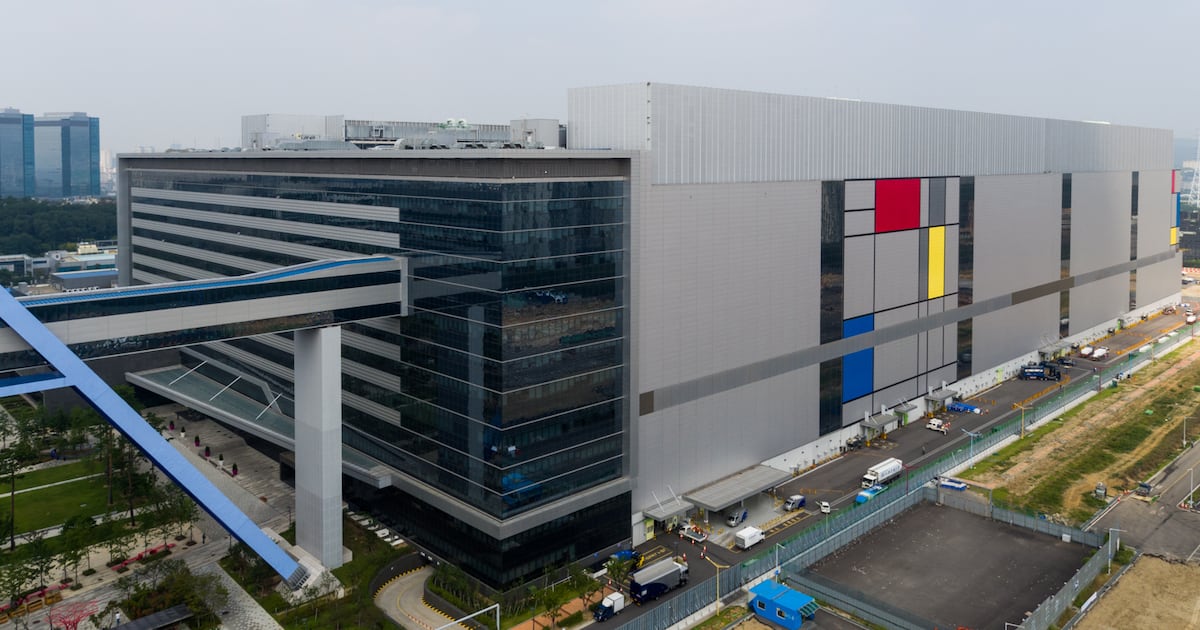
Samsung Electronics’ foundry business is showing signs of a potential financial turnaround, with internal projections suggesting the division could return to profitability as early as the third quarter of 2026. This shift would mark a significant milestone for the semiconductor giant, ending a period of financial losses that began in 2022. The recovery is reportedly being driven by advancements in 2-nanometer process technology and growing demand for high-bandwidth memory (HBM) integration.
As the global semiconductor market continues to evolve, the ability to balance high-end manufacturing capacity with operational efficiency has become the primary metric for competitiveness. For Samsung, the path back to growth involves a strategy that leverages both its advanced logic process capabilities and its strategic positioning in the memory sector, which remains a critical component for artificial intelligence and high-performance computing applications.
Drivers of the Foundry Turnaround
The anticipated return to profit is largely attributed to a combination of technological progress and strategic operational shifts. Industry observers have noted that Samsung’s investment in 2-nanometer (nm) process technology is beginning to yield results, allowing the company to compete more effectively for high-value client contracts. By narrowing the gap in process maturity, the foundry division is better positioned to secure orders that were previously difficult to capture.

Furthermore, the synergy between Samsung’s memory division and its foundry business is playing a vital role. As demand for HBM continues to surge globally, the company’s ability to offer integrated solutions—where logic and memory are optimized together—provides a distinct advantage. This “one-stop-shop” approach is helping to stabilize utilization rates at its fabrication facilities, which is essential for offsetting the high fixed costs associated with advanced semiconductor manufacturing.
Managing Operational Costs
A key factor in the company’s improved outlook for the latter half of 2026 is the management of fixed costs, particularly at its international manufacturing sites. The company’s facility in Taylor, Texas, has been a significant point of focus for analysts monitoring the firm’s capital expenditure and operational efficiency. As these facilities move toward full-scale production, the amortization of initial setup costs is expected to become more manageable, contributing positively to the overall bottom line.
According to reports from market analysts, the stabilization of these overseas operations is expected to provide a buffer against the volatility typically seen in the semiconductor foundry market. By optimizing production schedules and streamlining supply chain logistics, Samsung aims to improve its margins even as it continues to pour resources into next-generation lithography equipment and research and development.
Strategic Outlook and Market Position
The broader strategy for Samsung’s semiconductor arm involves a “two-track” approach: maintaining a lead in micro-fabrication processes while simultaneously driving power efficiency. This duality is critical for attracting clients in the mobile, automotive, and data center sectors, all of which are increasingly sensitive to both performance and energy consumption metrics.

While the foundry business has faced stiff competition from established market leaders, the internal outlook suggests that the company is now entering a new phase of growth. This trajectory is supported by a more disciplined approach to capital allocation and a renewed focus on core competencies that differentiate its offerings from those of its competitors. The success of this strategy in the third quarter will be a key indicator for investors and stakeholders regarding the long-term viability of the company’s foundry ambitions.
Looking ahead, the market will be closely watching the company’s official quarterly earnings reports for confirmation of these trends. The next scheduled fiscal update will provide the first concrete data points on whether the foundry division has successfully met its internal benchmarks for the third quarter. We invite our readers to share their perspectives on the evolving semiconductor landscape in the comments section below.
Keep reading