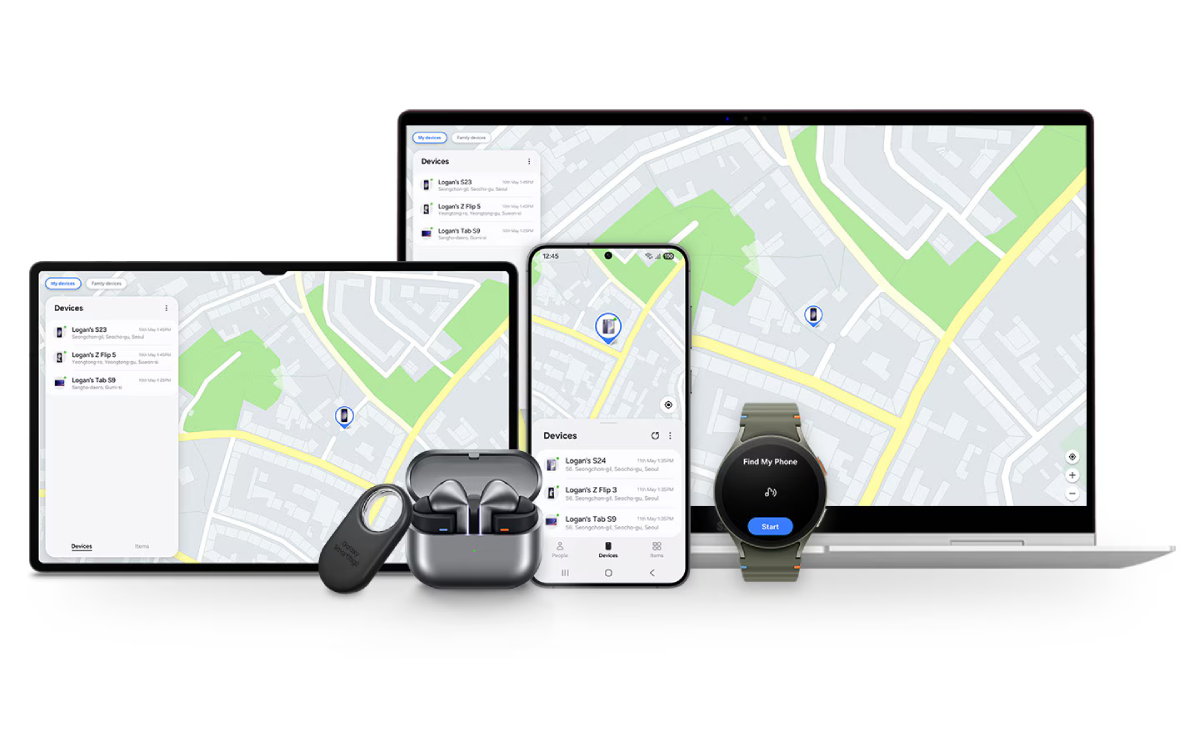
Samsung has introduced two significant updates to its proprietary “Samsung Find” application, enhancing the platform’s utility for users managing Galaxy devices and SmartTag trackers. These refinements arrive as the company continues to maintain its independent tracking ecosystem, even as broader industry standards for cross-platform device location move toward integration with Google’s Find My Device network.
The updates, which focus on improving user interface accessibility and device categorization, are designed to make the Samsung Find application more intuitive than the generalized Google Find My Device interface. According to official release notes from Samsung, these changes prioritize the specific needs of the Galaxy user base, providing a more granular level of control over hardware connected to a Samsung account.
Enhanced Categorization and Interface Clarity
The primary improvement involves how the application displays and filters connected devices. Samsung has reorganized the device list to prioritize active hardware, allowing users to distinguish between mobile devices, wearable accessories, and SmartTag trackers with greater visual efficiency. By isolating these categories, the application reduces the time required for a user to locate a specific item in a crowded list of registered hardware.
This organizational shift reflects a broader strategy to differentiate the Samsung experience from the increasingly crowded Google Find My Device network. While Google’s system is designed for broad compatibility across various Android manufacturers, Samsung’s approach remains focused on its “Galaxy” ecosystem, which leverages proprietary protocols to maintain connection stability. Detailed documentation regarding these software adjustments can be found on the official Samsung Support portal, which outlines the current functionality of the Find service.
Integration and the Future of Network Tracking
The persistence of the Samsung Find application alongside the Google-led initiative highlights a complex landscape for Android users. Google officially launched its upgraded Find My Device network in April 2024, utilizing a crowd-sourced mesh of millions of Android devices to locate offline items, as confirmed in the official announcement from the Google Keyword blog. Despite this, Samsung has opted to keep its own network operational.

For the end-user, this means that Samsung Galaxy devices are currently capable of participating in both systems, though the user experience remains bifurcated. The Samsung Find application serves as the primary hub for managing SmartTags and finding Galaxy-branded hardware, while the Google network provides a secondary layer of coverage for compatible third-party trackers and other Android devices. Industry analysts have noted that this dual-track approach allows Samsung to maintain data control within its own ecosystem while still providing users with the benefits of Google’s extensive network coverage.
Impact on Galaxy Users
What these updates mean for the average consumer is a more streamlined workflow when a device goes missing. By providing clearer status indicators—such as battery levels and last-seen timestamps—directly on the main dashboard, Samsung is reducing the number of menu taps required to initiate a search. This focus on “utility-first” design is consistent with Samsung’s broader software strategy for the One UI interface.
Furthermore, the improved interface addresses concerns regarding the complexity of managing multiple trackers. As users increasingly rely on Bluetooth-enabled tags for keys, wallets, and luggage, the ability to rapidly toggle between different device types has become a functional necessity rather than a luxury. Samsung’s commitment to iterating on this application suggests that the company views its proprietary tracking network as a key value proposition for its hardware sales.
Next Steps for Users
Users who wish to ensure they have the latest features should check for updates to the “Samsung Find” application via the Galaxy Store. As of the most recent software cycle, there are no further major structural changes announced, though Samsung continues to issue periodic security patches for its tracking services. For those experiencing issues with device synchronization, the Samsung Help Center remains the primary resource for troubleshooting and official documentation.

The next scheduled update for the broader Android device-location ecosystem is expected to follow Google’s quarterly feature drop cycle, which typically aligns with security updates for the Android operating system. Readers are encouraged to share their experiences with the updated interface in the comments section below.