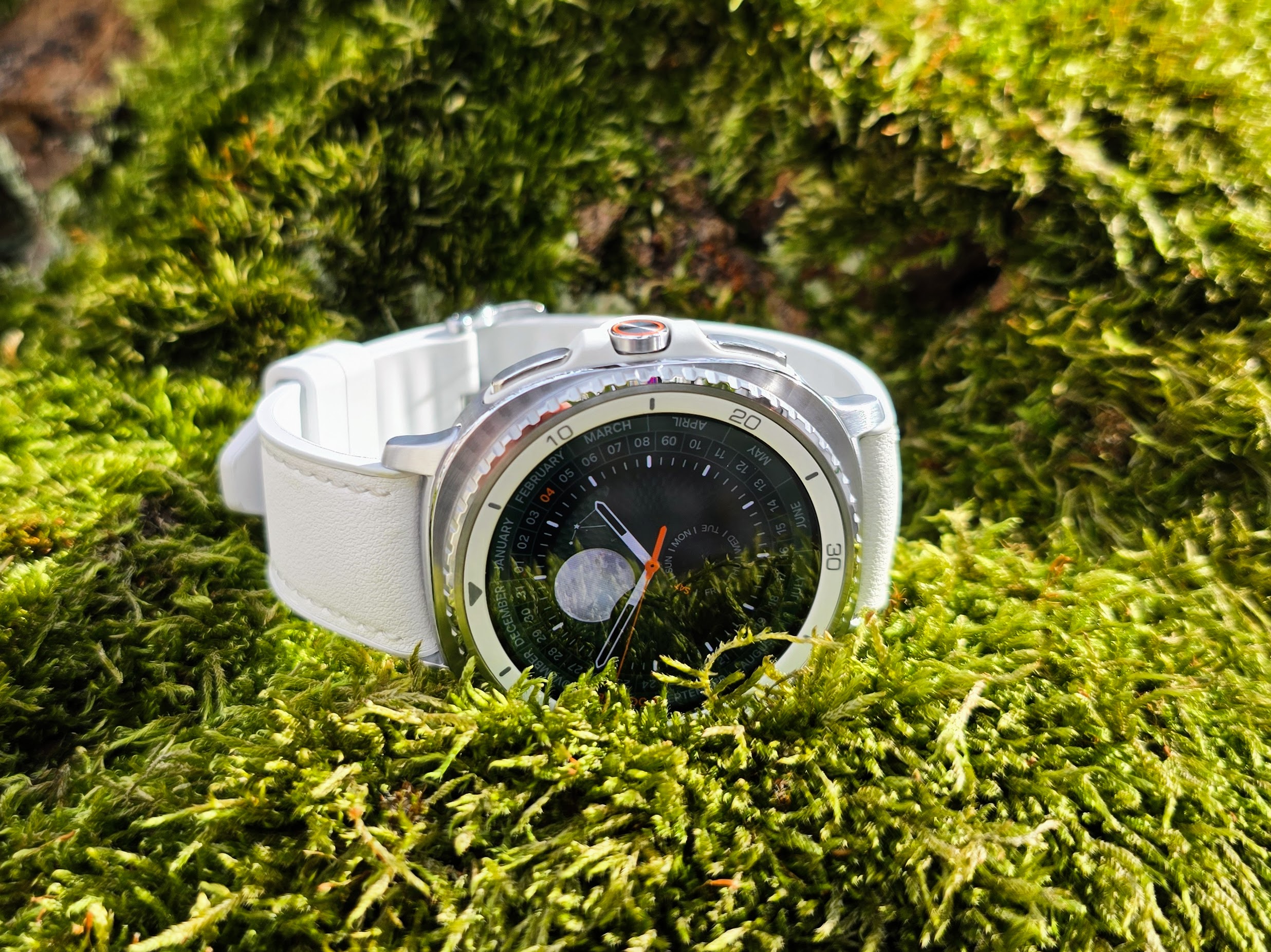
samsung Galaxy Watch8 Classic Health Tracking: A Deep Dive into Accuracy
The Samsung Galaxy Watch8 Classic isn’t just a stylish timepiece; it’s a powerful health and wellness companion. But how reliable are the health metrics it provides? This extensive review delves into the accuracy of the Watch8 Classic’s heart rate, blood oxygen (SpO2), blood pressure, and ECG measurements, comparing its performance against established medical-grade devices. We’ll explore the nuances of each sensor, calibration requirements, and what these results mean for your overall health monitoring. Understanding the precision of these features is crucial for anyone considering the Watch8 Classic as a tool for proactive health management.
Understanding health Tracking on Smartwatches
Smartwatches, including the Galaxy Watch8 Classic, utilize a variety of sensors to estimate physiological data.These sensors, while elegant, are subject to limitations. Factors like skin perfusion, movement, and individual physiology can all influence accuracy. It’s vital to understand these limitations and interpret the data accordingly. The Galaxy Watch8 Classic,like many smartwatches,aims to provide trends and insights into your health,rather than definitive medical readings. This article will focus on how well it achieves that goal. We’ll also touch upon related terms like wearable technology, fitness trackers, and health monitoring devices.
Heart Rate Accuracy: Tested and Verified
For heart rate tracking, we pitted the galaxy Watch8 Classic against the gold standard: a Polar H10 chest strap. This comparison is essential because chest straps are known for their high degree of accuracy. Our testing revealed a remarkably close correlation. Across three resting heart rate measurements, the average deviation between the Watch8 Classic and the polar H10 was a mere 2.37%. The maximum deviation observed in a single test was 7 beats per minute – a negligible difference for most users.
This level of accuracy is impressive for a wrist-worn device.Though, it’s critically important to note that accuracy can decrease during intense exercise or rapid movements. The Watch8 Classic employs advanced algorithms to mitigate these effects, but it’s still advisable to cross-reference readings with a chest strap during high-intensity workouts if precise data is critical.
Blood Oxygen (SpO2) Monitoring: A Close Match
Blood oxygen saturation,or SpO2,is a vital indicator of respiratory health. We compared the Galaxy Watch8 Classic’s SpO2 readings to those obtained from a Braun Pulse Oximeter 1. The results where highly encouraging. The average deviation across three tests was only 0.35%, with a maximum difference of 2 percentage points.This suggests the Watch8 Classic provides a reliable estimate of blood oxygen levels, particularly for general wellness tracking.
Though, remember that SpO2 readings can be affected by factors like nail polish, poor circulation, and skin pigmentation.The Galaxy Watch8 Classic, like other wrist-based SpO2 sensors, is best used for identifying trends rather than providing a precise, clinical-grade measurement.
Blood Pressure Measurement: Calibration is Key
The Galaxy Watch8 Classic offers blood pressure monitoring, but with a crucial caveat: it requires initial calibration with a traditional blood pressure cuff.We used the Braun ExactFit 5 connect for calibration and subsequent comparison.The average deviation from three measurements was 0.29% for systolic pressure and 3.65% for diastolic pressure, with a maximum deviation of 3 mmHg.
While these deviations are relatively small, it’s essential to understand that the Watch
Keep reading