
The global smartphone industry is facing renewed scrutiny over its commitment to device longevity and consumer rights. In a blunt assessment of how the world’s leading tech giants approach hardware maintenance, Apple has received a D- for iPhone repairability, the lowest grade among major smartphone brands in a recent industry-wide study.
The findings come from the “Failing the Fix 2026” report, released by the US PIRG Education Fund. The study evaluates how easily consumers and independent technicians can open and repair modern smartphones, highlighting a significant gap between market dominance and the practical ability to maintain devices. While Apple occupies the bottom of the rankings, Samsung followed closely behind, earning a D grade for its Galaxy series.
As a journalist who has spent nearly two decades analyzing the intersection of economic policy and global markets, I view these ratings not merely as technical scores, but as indicators of a broader economic tension. The shift toward “closed” ecosystems often conflicts with the growing global movement for Right to Repair laws, which seek to reduce electronic waste and lower the total cost of ownership for consumers.
The Repairability Hierarchy: From Motorola to Apple
The “Failing the Fix 2026” report reveals a stark contrast in how different manufacturers design their hardware. While the two largest players in the market struggled, other brands showed significantly more openness to repair. Motorola topped the chart with a B+ grade, suggesting a design philosophy that is more conducive to disassembly and part replacement.
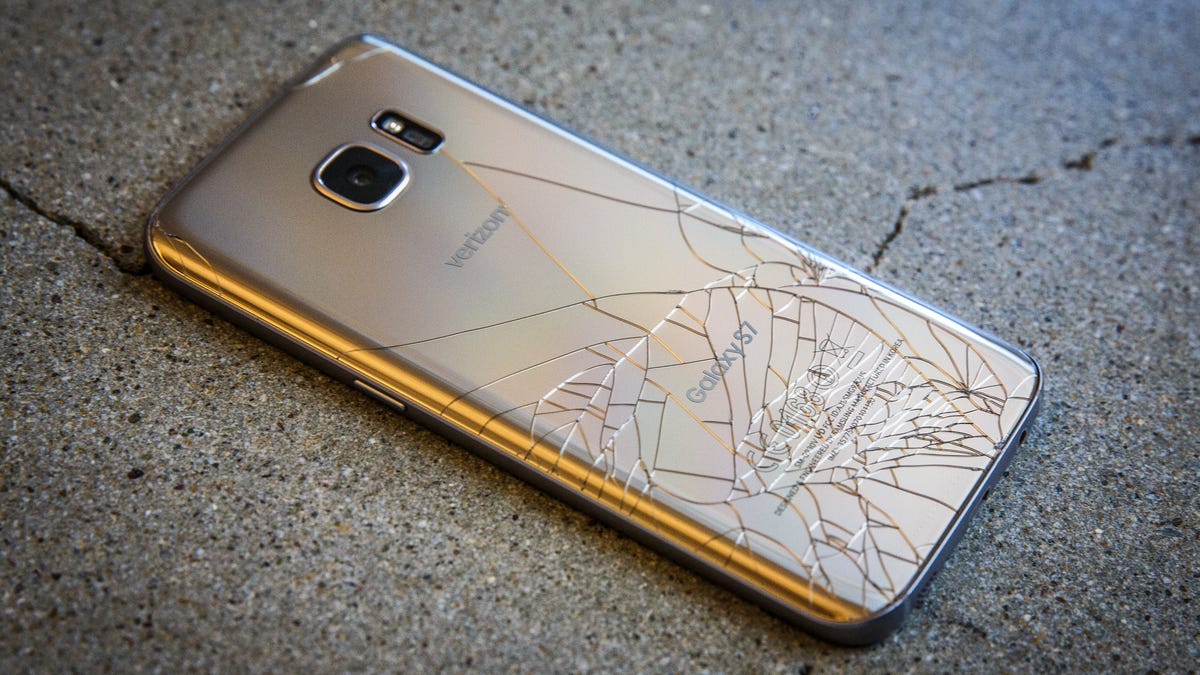
Google occupied a middle ground, scoring a C- for its devices. This leaves Samsung and Apple as the lowest-performing major brands, with Samsung’s D grade placing it second-to-last and Apple’s D- marking the nadir of the report’s findings. This ranking suggests that as devices become more integrated and sophisticated, the ability for the average user or independent shop to perform a fix without manufacturer intervention is diminishing.
A Shift in Methodology: The EPREL System
A critical component of this year’s report is the change in how these scores are calculated. The US PIRG Education Fund has transitioned away from France’s older repair index, opting instead to use the European Union’s EPREL (European Product Registry for Energy Labeling) system.
The EPREL system is designed to provide a more accurate reflection of real-world repair challenges. By focusing specifically on the ease of opening a device and the accessibility of its internal components, the EU system aims to provide consumers with transparent data before they make a purchase. This systemic shift in grading reflects a broader regulatory trend in Europe toward mandatory repairability labeling, forcing companies to be more transparent about the “fixability” of their products.
The Role of Consumer Advocacy and Right to Repair
The organization behind the report, US PIRG, is a consumer advocacy group that focuses on tech, environmental, and public interest issues. Their mission is rooted in the belief that manufacturers should not have a monopoly on the repair of the products they sell. By pushing for stronger Right to Repair laws, US PIRG aims to increase transparency and ensure that parts, tools, and manuals are available to all.
From an economic perspective, the “Right to Repair” movement is about breaking the cycle of planned obsolescence. When a device is difficult to repair—or when the manufacturer restricts the tools needed to do so—consumers are more likely to replace the entire unit rather than fix a single failing component. This not only increases the financial burden on the consumer but similarly accelerates the accumulation of electronic waste on a global scale.
Analyzing the Data Limitations
Despite the blunt nature of the grades, it is crucial to note certain limitations within the “Failing the Fix 2026” study. The report lacks specific details regarding which exact models were tested, and the dataset used for the analysis was described as uneven. These gaps indicate that while the general trend for the brands is clear, the scores may not apply uniformly across every single model within a brand’s lineup.
For users currently seeking official support, manufacturers continue to offer centralized services. For example, Samsung provides a dedicated repair request portal and a service locator to support customers find authorized walk-in centers for their Galaxy tablets, wearables, and phones.
Key Takeaways from the Repairability Report
- Apple: Scored a D-, the lowest grade among major smartphone brands.
- Samsung: Scored a D, ranking second-to-last.
- Google: Received a C- grade.
- Motorola: Led the group with a B+ grade.
- Methodology: The report now utilizes the EU’s EPREL system to better reflect real-world repairability.
As regulatory pressure mounts in both the EU and the United States, the industry is at a crossroads. Whether Apple and Samsung will redesign their hardware to improve these scores or continue to rely on proprietary repair ecosystems remains to be seen. The ongoing tension between corporate intellectual property and consumer ownership rights will likely define the next era of smartphone evolution.
The next significant benchmark for the industry will be the continued rollout and refinement of the EPREL system across the European Union, which will provide more granular data on specific device models. We will continue to monitor how these regulatory shifts impact hardware design and consumer costs.
Do you prioritize repairability when choosing a new smartphone, or is brand ecosystem more important? Share your thoughts in the comments below.