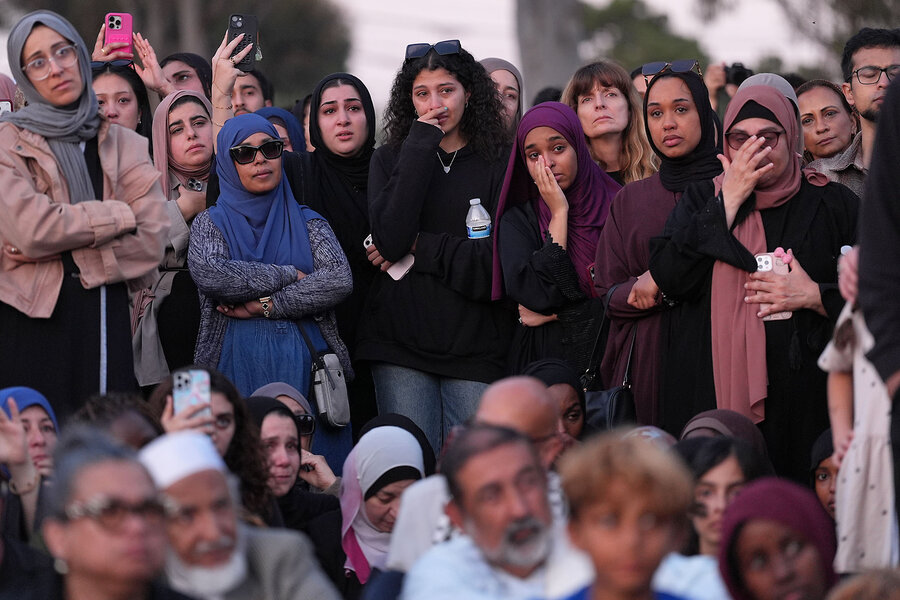
The recent fatal shooting at a San Diego mosque has sent shockwaves through the local community, intensifying a national conversation regarding the safety of religious institutions and the persistent rise of anti-Muslim sentiment in the United States. As law enforcement agencies continue their investigations into the motive and circumstances surrounding this tragedy, civil rights advocates and community leaders are grappling with a broader, systemic challenge: how to effectively counter the spread of hate-motivated violence and the radicalization of individuals within digital spaces.
This incident arrives at a time when data from the U.S. Department of Justice consistently highlights the importance of reporting and tracking hate crimes to ensure public safety and accountability. While authorities work to determine the specific factors that led to this act of violence, the event serves as a somber reminder of the vulnerabilities faced by faith-based communities in an era of heightened social polarization.
Addressing the Rise of Hate-Motivated Violence
The rise of incidents targeting Muslim communities is not a new phenomenon, but it remains a critical concern for domestic security experts and human rights organizations. According to the Federal Bureau of Investigation (FBI), hate crimes are defined as criminal offenses motivated, in whole or in part, by an offender’s bias against a race, religion, disability, sexual orientation, ethnicity, gender, or gender identity. The persistence of these crimes suggests that local, state, and federal interventions require sustained attention and resources.

Experts in radicalization studies often point to the role of the internet in accelerating extremist ideologies. The transition from online rhetoric to physical violence is a primary focus for researchers monitoring domestic terrorism threats. Organizations such as the Department of Homeland Security provide resources for communities to identify and report suspicious activities, emphasizing that early intervention remains the most effective tool in preventing potential tragedies.
Community Resilience and Security Measures
In the wake of the San Diego shooting, many religious organizations are reassessing their security protocols. However, the goal remains to balance the need for safety with the desire to maintain an open, welcoming environment for worship. Strengthening ties between mosques and local law enforcement is frequently cited as a best practice, allowing for the sharing of security best practices and the establishment of trust-based communication channels.

Beyond physical security, there is an ongoing emphasis on educational initiatives designed to combat xenophobia and Islamophobia. By fostering interfaith dialogue and community engagement, advocates argue that the societal conditions that allow for radicalization can be mitigated. These efforts are supported by various non-governmental organizations dedicated to civil liberties, which encourage citizens to engage in proactive community building.
Understanding Radicalization and Prevention
The process of radicalization is complex, rarely stemming from a single cause. It often involves a combination of social isolation, exposure to extremist propaganda, and personal grievances. Prevention strategies generally focus on early identification of at-risk individuals, providing them with alternative pathways and support systems before they commit to violent ideologies.
For those seeking information on how to support victims of hate crimes or how to participate in community safety programs, the Civil Rights Division of the Department of Justice offers guidance on legal protections and reporting procedures. It is essential for the public to rely on verified information from official sources as investigations progress, rather than speculating on social media platforms where misinformation can spread rapidly.
Moving Forward: A Call for Vigilance
The path forward requires a multifaceted approach involving government policy, community action, and individual responsibility. As the investigation into the San Diego mosque incident continues, the focus remains on ensuring justice for the victims and their families. The broader goal, however, is to create a society where all individuals can practice their faith without fear of violence or discrimination.
The next official updates regarding the investigation are expected to be released by the San Diego Police Department or the local District Attorney’s office as evidence is processed and charges are formalized. We encourage our readers to stay informed through official government channels and to engage in constructive dialogue within their own communities to help foster a culture of safety and inclusion. We welcome your thoughts on how communities can better support one another in these challenging times in the comments section below.
- Extreme Heat Wave Hits Western US: Record Temperatures and Safety Tips
- Sen. Bernie Moreno Dodges Questions on Son-in-Law Max Miller’s Domestic Violence Allegations
- White House TikTok Video Sparks Controversy Over Song Choice (world-today-news.com)
- U.S. Attorney Office Educates Illinois Seniors on Latest Online and Phone Scams (newsdirectory3.com)