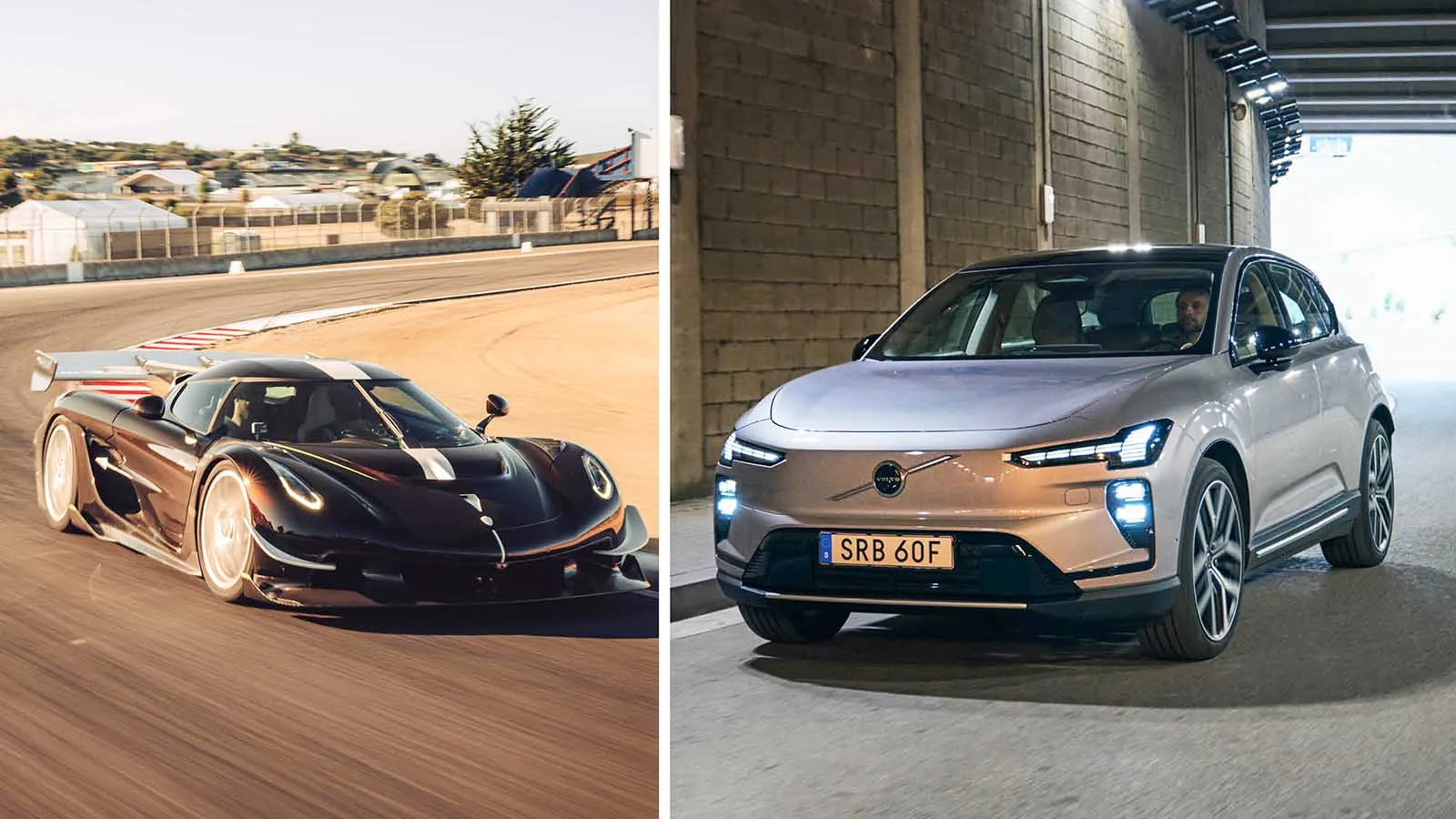
In the rapidly evolving landscape of premium electric mobility, Volvo Cars is attempting to shift the conversation from mere range and software intelligence to the fundamental physics of driving dynamics. The recent unveiling and initial testing of the Volvo EX60 suggests that the Swedish automaker is no longer content with simply meeting industry standards; We see aiming to redefine them through extreme structural integrity.
Recent technical assessments and industry reviews have highlighted a startling comparison: the structural stiffness of Volvo’s new electric offering is being likened to the levels found in hypercars, such as those produced by Koenigsegg. While such a claim may initially seem provocative for a brand traditionally rooted in safety and family-oriented utility, it signals a profound strategic pivot toward high-performance engineering in the battery electric vehicle (BEV) era.
For investors and industry analysts, this move represents more than just a marketing superlative. It reflects a significant capital investment in chassis architecture and material science, aimed at securing Volvo’s position in the increasingly competitive luxury EV segment. As the automotive industry moves away from internal combustion engines, the ability to marry heavy battery architectures with lightweight, ultra-rigid frames has become the new frontier of engineering excellence.
The Koenigsegg Comparison: Redefining Chassis Rigidity
The core of the excitement surrounding the Volvo EX60 lies in its torsional rigidity. In automotive engineering, stiffness refers to a vehicle’s ability to resist twisting forces during cornering, braking and uneven road surfaces. For electric vehicles, this is not merely a matter of “sportiness”—it is a critical safety and efficiency requirement.
Because electric vehicle batteries are housed within the floor of the chassis, the entire frame must act as a protective “vault.” A highly rigid structure ensures that the battery pack remains undeformed during high-stress maneuvers or collisions, thereby mitigating fire risks and maintaining long-term structural health. By achieving levels of stiffness comparable to ultra-high-performance marques like Koenigsegg, Volvo is effectively leveraging its historical safety DNA to solve the primary engineering challenge of the EV age.
This level of precision engineering offers several tangible benefits for the end-user:
- Enhanced NVH (Noise, Vibration, and Harshness) Control: A stiffer chassis reduces the micro-vibrations that often plague electric vehicles due to the absence of engine noise, which otherwise makes road and wind noise more noticeable.
- Precision Handling: Reduced chassis flex allows the suspension geometry to remain consistent, providing the driver with more predictable and communicative steering feedback.
- Battery Longevity: Minimizing structural movement helps protect the delicate connections and cooling systems within the battery enclosure.
This focus on the “bones” of the vehicle suggests that Volvo is positioning the EX60 as a benchmark for how premium electric SUVs should feel on the road—solid, composed, and technologically advanced.
Driving Sentiment: Industry Reception of the EX60
While technical specifications provide the foundation, the real-world sentiment from automotive journalists has been overwhelmingly positive regarding the vehicle’s driving dynamics. Early test drives in Northern Europe have characterized the EX60 as a standout performer, with some reviewers suggesting it may represent the most significant leap forward in Volvo’s current electric lineup.
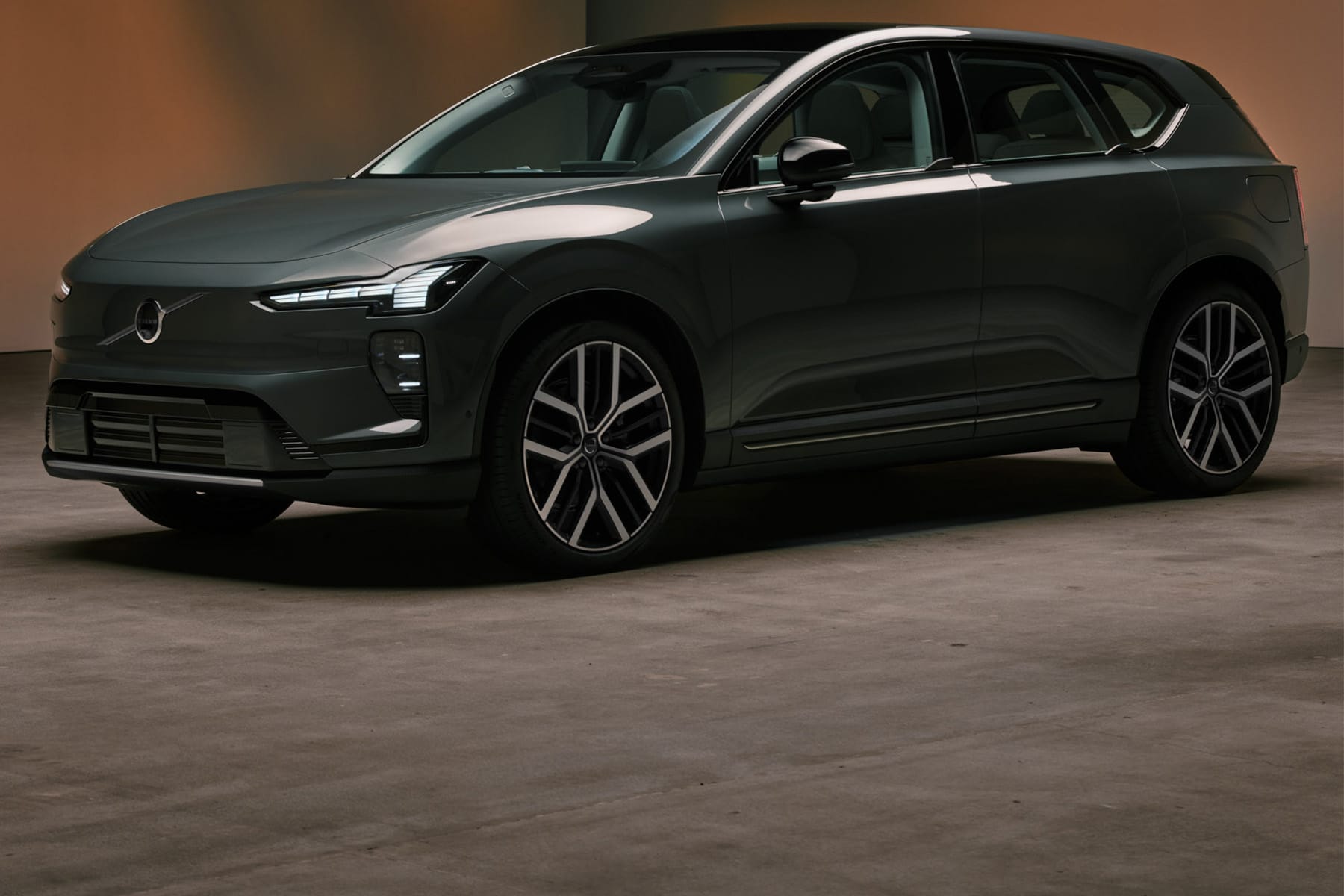
The consensus among automotive testers is that the EX60 manages to balance the brand’s hallmark comfort with a newfound sense of agility. This is a tricky needle to thread; many electric SUVs tend to feel “heavy” or cumbersome due to their high curb weight. However, the structural advancements in the EX60 appear to counteract this mass, providing a sense of lightness and responsiveness that was previously uncommon in the segment.
Despite the high praise, the transition to a fully digital, electric-first platform is not without its hurdles. Some early feedback suggests that while the mechanical and structural elements are world-class, the integration of complex software interfaces remains a point of scrutiny for users accustomed to more traditional tactile controls. This is a common growing pain for legacy automakers transitioning to “software-defined vehicles,” where the user experience (UX) is as critical as the horsepower.
For the broader market, the success of the EX60 will likely depend on how Volvo manages the tension between its engineering prowess and the digital expectations of a new generation of luxury car buyers.
Strategic Pivot: Volvo’s Path to Full Electrification
From a business perspective, the EX60 is a linchpin in Volvo’s ambitious roadmap to become a fully electric car company. The company has set aggressive targets to phase out internal combustion engines, a transition that requires a complete reimagining of its product portfolio and manufacturing processes.
The strategic importance of the EX60 cannot be overstated. As the electric successor to the highly successful XC60 line, it targets the most profitable segment of the automotive market: the premium mid-sized SUV. Success in this category is essential for maintaining the margins necessary to fund Volvo’s massive R&D expenditures in electrification and autonomous driving technologies.
Key Economic Drivers for Volvo’s EV Transition:

| Strategic Factor | Impact on Business Model | Long-term Objective |
|---|---|---|
| Platform Standardization | Reduces manufacturing complexity and costs through shared EV architectures. | Achieving economies of scale comparable to mass-market EV producers. |
| Brand Repositioning | Moves Volvo from “Safe & Reliable” to “High-Performance & Sustainable.” | Capturing higher-margin customers in the luxury electric segment. |
| Regulatory Compliance | Aligns with tightening CO2 emission standards in Europe and China. | Avoiding heavy fines and maintaining market access in key regions. |
| Software Monetization | Creates recurring revenue streams through over-the-air (OTA) updates. | Transitioning from a hardware-centric to a software-centric business. |
As Volvo navigates this transition, it faces intense competition from both established luxury giants like BMW and Audi, and pure-play EV manufacturers like Tesla. The EX60’s ability to offer “hypercar-level” engineering within a premium, safe, and practical package may be the exact differentiator required to win over cautious luxury buyers.
Conclusion: The Road Ahead
The Volvo EX60 represents a bold statement of intent. By focusing on the fundamental structural integrity of the vehicle, Volvo is addressing the core engineering challenges of the electric era while simultaneously elevating its brand prestige. If the claims of hypercar-level stiffness hold true in mass production, the EX60 could serve as the definitive template for the next generation of premium electric SUVs.
The automotive industry will be watching closely as Volvo moves from the testing phase into full-scale production and market rollout. The ability to deliver this level of engineering at scale will be the ultimate test of Volvo’s electric future.
Next Scheduled Update: Industry analysts are awaiting official confirmation regarding the specific production timelines and regional launch dates for the EX60, which are expected to be detailed in upcoming quarterly earnings reports and official Volvo press releases.
What are your thoughts on Volvo’s pivot toward high-performance electric engineering? Does structural stiffness matter more to you than software features? Share your thoughts in the comments below and share this article with your network.