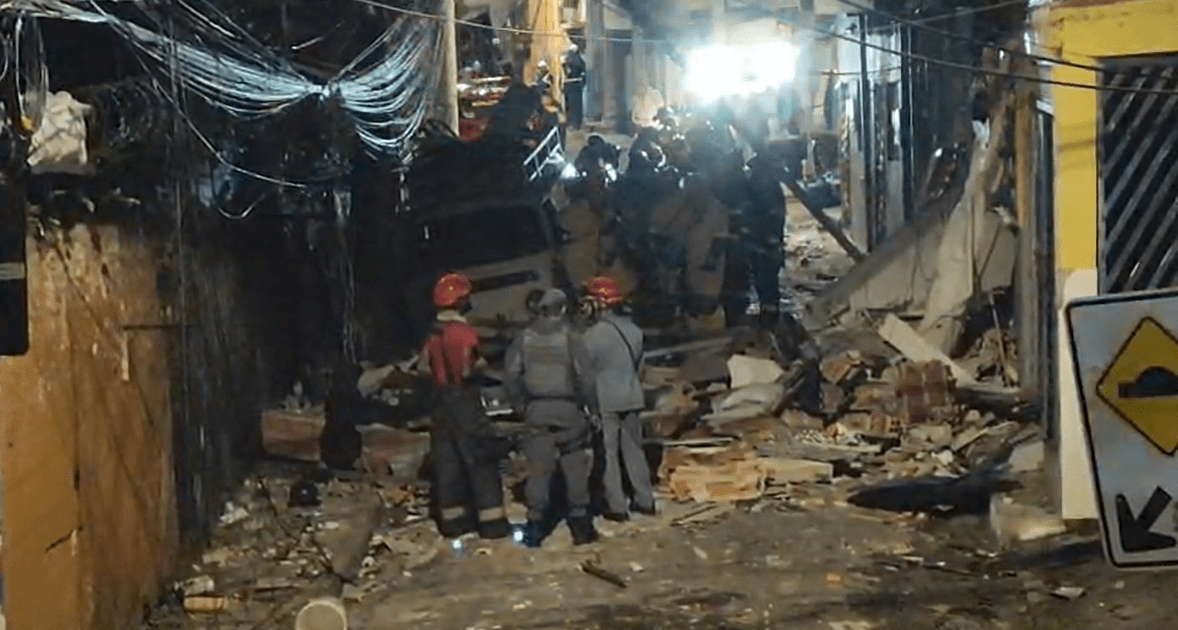
A devastating explosion in the Jaguaré neighborhood of São Paulo’s West Zone has left one man dead and dozens of families displaced, prompting an immediate financial response from the utility companies involved. In a press conference held on Monday night, Sabesp and Comgás announced an emergency compensation package to provide immediate relief to those caught in the blast.
The tragedy, which occurred on the afternoon of Monday, May 11, 2026, resulted in the total destruction of at least one residence and caused significant structural damage to surrounding properties. The companies have committed to an initial payment of R$ 2,000 per affected family, delivered via Pix to ensure the fastest possible access to funds for those who have lost everything in a matter of seconds.
As the community grapples with the loss and the sudden displacement of residents, the focus has shifted toward a comprehensive damage assessment. With dozens of homes declared uninhabitable, the coordination between municipal emergency services and the utility providers will determine the long-term recovery path for the Jaguaré district.
Immediate Financial Aid and Emergency Housing
The decision to provide immediate cash assistance comes as part of a broader emergency response plan outlined by Sabesp and Comgás. During their joint announcement, company representatives confirmed that the R$ 2,000 payment serves as a first step, intended to cover urgent needs such as food, clothing and basic hygiene for the approximately 160 people affected by the disaster. Sabesp and Comgás stated that these funds are being deposited into the accounts of registered victims immediately.
Beyond the direct cash transfers, the companies are facilitating emergency housing. Many of the displaced residents have been relocated to hotels while their homes remain under safety evaluation. This move is critical given that the blast caused widespread instability in the immediate vicinity of the epicenter, leaving many families unable to return to their bedrooms or kitchens.
Support services have been expanded to address the multifaceted trauma of the event. The companies reported that affected citizens are receiving a comprehensive support package that includes psychological counseling, social assistance, and medical evaluations. Notably, veterinary teams have also been deployed to the site to treat pets and animals injured by the falling wreckage, recognizing the emotional toll of losing domestic companions during the crisis.
The Human Toll of the Jaguaré Disaster
The explosion claimed the life of 45-year-old Alexsandro, a resident of one of the heavily impacted homes. His death underscores the sudden and violent nature of the incident, which residents described as happening in a flash, preceded only by the smell of gas and panicked screams.
In addition to the fatality, three other individuals sustained injuries. According to reports from the Fire Department and Samu (Emergency Mobile Care Service), the injured include a Sabesp employee, who was rescued by bystanders in the area, and two local residents. All three victims were transported to the Osasco Regional Emergency Room for treatment.
The scale of the displacement is significant. Authorities have interdicted 46 properties, meaning these buildings have been officially deemed unsafe for habitation by structural engineers and fire officials. For the 160 affected individuals, the “interdiction” represents a legal and physical barrier to returning home, turning a sudden accident into a long-term housing crisis.
Investigating the Cause: Infrastructure or Accident?
The exact cause of the blast remains under investigation, though early theories point toward a gas-related failure. Initial reports from the Fire Department suggested the explosion may have been caused by liquefied petroleum gas (LPG). However, the involvement of Comgás, the region’s primary natural gas distributor, has raised questions about whether the failure occurred within a private residence’s LPG system or within the broader municipal gas infrastructure.
Early statements from the Military Police indicated that a potential failure in an action performed by Comgás may have contributed to the accident. While the companies have focused their public communications on victim support and compensation, the technical investigation will be pivotal in determining legal liability and preventing similar occurrences in other densely populated areas of São Paulo.
Gas explosions in urban environments often stem from leaks that allow gas to accumulate in enclosed spaces until a spark—such as a light switch or a pilot light—triggers a catastrophic ignition. The speed of this specific event, described by witnesses as taking only seconds, suggests a high concentration of gas had built up within the structure before the blast.
Long-Term Recovery and Property Damage Assessment
While the R$ 2,000 Pix payment provides a temporary safety net, it does not cover the total loss of property or personal belongings. Starting Tuesday, May 12, 2026, Sabesp and Comgás have initiated a detailed survey of the damage. This process involves engineers and loss adjusters visiting each of the 46 interdicted properties to quantify the financial losses.
The goal of this survey is to establish a basis for full compensation. This includes not only the structural repair costs for the buildings but also the reimbursement of lost assets, such as furniture, electronics, and sentimental items. The companies have signaled that the final settlement amounts will be determined based on these technical assessments.
The São Paulo state government has also mobilized resources to assist the families. This inter-agency cooperation is designed to ensure that victims do not fall through the cracks of the bureaucracy, providing a bridge between the immediate corporate payouts and the long-term legal settlements that typically follow industrial or utility accidents.
Key Recovery Milestones
- Immediate Phase: Distribution of R$ 2,000 via Pix and hotel relocation for displaced residents.
- Assessment Phase: Technical surveys of the 46 interdicted properties to determine total financial loss.
- Support Phase: Ongoing medical, psychological, and social assistance for the 160 affected individuals.
- Legal Phase: Final determination of the explosion’s cause to assign liability and finalize compensation payments.
The residents of Jaguaré now face a period of uncertainty as they wait for the results of the structural surveys. For many, the priority is not just financial reimbursement, but the safety assurance that their neighborhood is secure from further infrastructure failures.
The next confirmed checkpoint in this developing story will be the release of the preliminary damage survey reports and the official cause-of-death report for Alexsandro, which will likely influence the legal proceedings between the affected residents and the utility providers.
Do you have information regarding the Jaguaré explosion or are you affected by the utility outages in the West Zone? Share your experience in the comments below or contact our newsroom.