
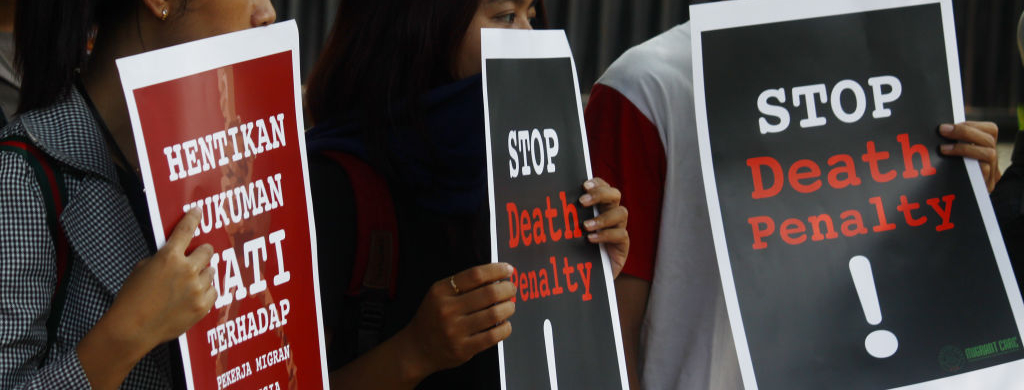
Saudi Arabia has executed at least 96 people in the first half of 2026, including 61 for drug-related offenses—a rate that human rights organizations describe as “alarming” and in violation of international law. The executions, which include at least 39 foreign nationals, have intensified scrutiny over the kingdom’s punitive drug policies and the fairness of its legal system, according to verified reports from multiple sources.
The latest wave of executions follows a sharp increase in Saudi Arabia’s use of the death penalty, which has more than doubled in recent years. In 2025 alone, the country carried out at least 356 executions—nearly triple the 122 recorded in 2024, according to Amnesty International’s annual report. Since January 2014, Saudi authorities have executed more than 2,000 individuals, with foreign nationals accounting for three-quarters of drug-related executions in both 2024 and 2025.
Among the executed this year, 22 were Saudi nationals, while the remaining 39 were foreign workers from countries including Ethiopia, Pakistan, Sudan, Jordan, and Syria. The majority of executions—61 out of 96—were carried out under Saudi Arabia’s anti-drug laws, which human rights groups argue violate international standards. The most recent executions occurred on June 18, 2026, according to Reuters, bringing the total for the year to nearly 100.
Why Are Drug-Related Executions Rising in Saudi Arabia?
Saudi Arabia’s strict drug laws, which include mandatory death sentences for possession, trafficking, or smuggling, have drawn criticism from global human rights organizations. The United Nations and the International Covenant on Civil and Political Rights (ICCPR) explicitly prohibit the use of the death penalty for drug offenses, classifying them as violations of international law. Despite this, Saudi courts have consistently upheld executions for drug-related crimes, often without due process or adequate legal representation for foreign nationals.


Dana Ahmed, a Middle East researcher at Amnesty International, stated in a June 2026 briefing that “Saudi Arabia’s execution spree reflects a dangerous global trend where punitive drug policies are increasingly driving the use of the death penalty.” She highlighted that 63 Ethiopian nationals detained in a single ward of Khamis Mushait detention facility remain at imminent risk of execution, following the execution of seven Ethiopians earlier this year—all for “smuggling hashish,” according to Al Jazeera.
The detention facility in Khamis Mushait, located in southwest Saudi Arabia near the border with Yemen, has become a focal point for human rights concerns. Reports indicate that many of the detained foreign nationals face harsh conditions, limited access to legal counsel, and trials conducted in Arabic—a language many do not understand. According to the Human Rights Watch, these trials often lack basic fair-trial guarantees, raising serious questions about the legitimacy of the convictions.
Who Is Most Affected by Saudi Arabia’s Execution Policies?
Foreign nationals—particularly migrant workers from poorer countries—bear the brunt of Saudi Arabia’s drug-related executions. Data from the past decade shows a disproportionate impact on non-Saudi citizens, with foreign nationals accounting for 75% of drug-related executions in 2024 and 78% in 2025. The most affected nationalities include:
- Ethiopia (7 executed in 2026, 63 at risk) – Many work in low-wage jobs and face exploitation, making them vulnerable to drug trafficking charges.
- Pakistan (7 executed in 2026) – Pakistani nationals have been repeatedly targeted in anti-drug operations.
- Sudan (5 executed in 2026) – Sudanese migrants often transit through Saudi Arabia en route to Gulf labor markets.
- Jordan and Syria (4 and 3 executed, respectively) – Citizens of these countries are also frequently detained under drug laws.
These statistics underscore a broader pattern: Saudi Arabia’s drug enforcement disproportionately targets foreign workers, many of whom lack consular support or legal protections. The lack of transparency in trials and the absence of public defense records further complicate efforts to challenge these convictions, according to a U.S. State Department report.
What Does International Law Say About Executions for Drug Offenses?
The death penalty for drug-related crimes is widely condemned under international human rights law. The International Covenant on Civil and Political Rights (ICCPR), ratified by Saudi Arabia in 2008, prohibits the use of capital punishment for “any crime for which the competent United Nations bodies have not yet determined that it meets grave circumstances.” Drug offenses do not meet this threshold.
Additionally, the United Nations Convention Against Illicit Traffic in Narcotic Drugs and Psychotropic Substances encourages member states to adopt alternative measures such as rehabilitation, rather than capital punishment. Despite these guidelines, Saudi Arabia has not altered its stance, continuing to enforce mandatory death sentences for drug offenses.
In a June 2026 statement, the UN Office of the High Commissioner for Human Rights (OHCHR) expressed “grave concerns” over the executions, urging Saudi Arabia to “immediately establish a moratorium on the death penalty as a first step toward abolition.”
What Happens Next? The Legal and Diplomatic Outlook
While Saudi Arabia has not publicly responded to international criticism, diplomatic pressure is mounting. The European Union and several Western governments have issued statements condemning the executions, calling for an end to the use of the death penalty for drug offenses. However, Saudi Arabia has not indicated any intention to revise its laws.

For foreign nationals still detained, the situation remains precarious. Legal experts warn that the risk of execution for drug-related charges persists, particularly for those held in facilities like Khamis Mushait. The Saudi government has not disclosed the full list of detainees at risk, but human rights organizations continue to monitor the situation closely.
The next critical checkpoint will be the UN Human Rights Council’s 56th session in March 2027, where Saudi Arabia’s human rights record—including its execution policies—will likely face renewed scrutiny. In the meantime, families of the executed and detained individuals have few avenues for recourse, as Saudi courts do not permit appeals based on human rights grounds.
Key Takeaways: What You Need to Know
- 96 executions in 2026 so far, with 61 for drug-related offenses—63% of which involved foreign nationals.
- 63 Ethiopian nationals remain at risk in Khamis Mushait detention facility, following seven executions earlier this year.
- Saudi Arabia executed 356 people in 2025, more than double the 122 in 2024—a record high.
- International law prohibits death penalty for drug offenses, yet Saudi Arabia continues to enforce mandatory sentences.
- Foreign workers face disproportionate risk, with 75–78% of drug-related executions involving non-Saudi citizens.
As the year progresses, the international community’s response will determine whether Saudi Arabia faces increased isolation over its execution policies. For now, the focus remains on the 63 Ethiopian nationals in Khamis Mushait, whose fate hangs in the balance as Saudi authorities continue their crackdown on drug offenses.
This report is based on verified data from Amnesty International, Reuters, Al Jazeera, Human Rights Watch, and the UN Office of the High Commissioner for Human Rights. For updates on Saudi Arabia’s execution policies, follow official statements from the UN Human Rights Council and Amnesty International.
What are your thoughts on this issue? Share your perspective in the comments below or discuss on social media using #SaudiExecutions2026.