The Murky Waters of Native Hawaiian Contracting: Oversight, Abuse, and a Program Under Scrutiny
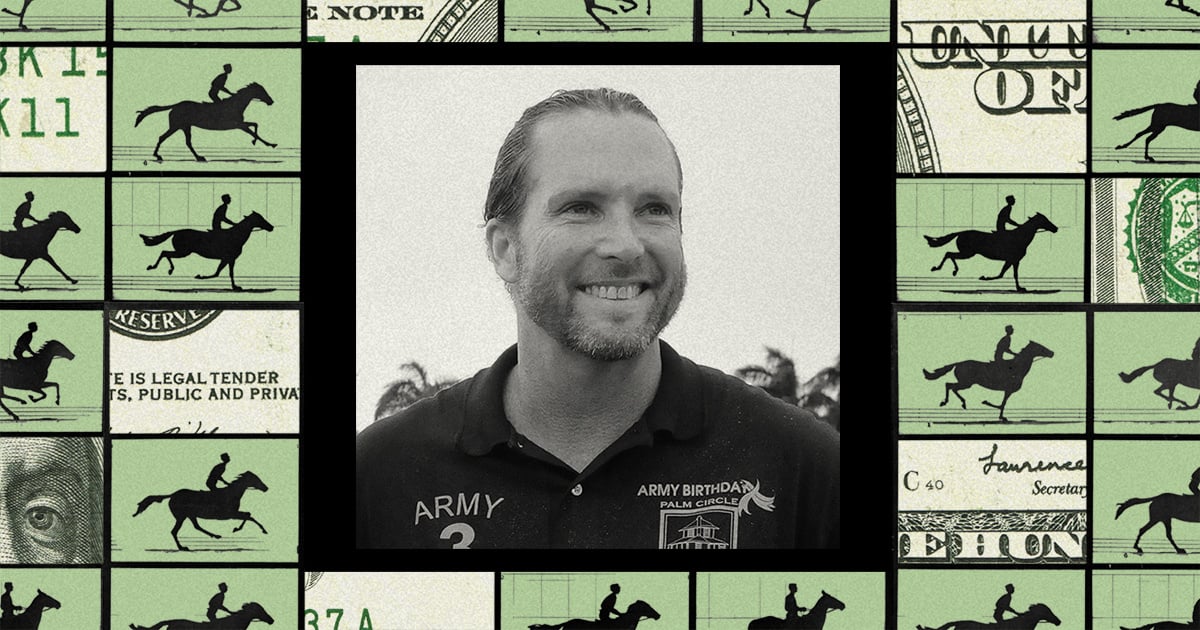
The Small Business Administration’s (SBA) 8(a) Business Development program, designed to help socially and economically disadvantaged groups gain access to federal contracting opportunities, has long been lauded for it’s potential to level the playing field. However, a recent case involving the Hawaiian Native Corporation (HNC) and its former leader, Chris Dawson, exposes critical vulnerabilities within the program – vulnerabilities that raise serious questions about oversight, accountability, and the true impact of these initiatives.
This isn’t simply a story of one bad actor. It’s a reflection of systemic challenges within a program struggling to balance its mission with the realities of fraud, waste, and limited resources. As someone who has spent years navigating the complexities of federal contracting and observing the 8(a) program firsthand, I can attest to the delicate balance required to ensure its integrity.
A Warning Ignored: Concerns Over Lavish Spending
Raymond Jardine, a Native Hawaiian contractor who successfully leveraged SBA contracting privileges, was one of the first to voice concerns. Like many in the community, he recognized the inherent potential for misuse within the Native Hawaiian Organization (NHO) program, a subset of the 8(a) initiative. Jardine’s worries were amplified by witnessing Dawson’s extravagant lifestyle, especially his passion for polo, fueling fears that the SBA’s relaxed regulations and insufficient oversight were being exploited.
In 2023, when rumors of a federal inquiry into Dawson’s companies began circulating, Jardine took a direct approach.He contacted Dawson, hoping to understand the situation. “he tried to assure me that nothing really was going on and that my information was not accurate,” Jardine recounted. “I told him, ‘Chris, the coconut wireless is rarely wrong.'” This “coconut wireless” – the informal network of interaction within the Hawaiian community – proved to be a prescient indicator of the trouble brewing.
Damage Control and a Shifting Landscape
The arrival of federal agents triggered a swift response from HNC and DAWSON company officials. Dawson and his family were swiftly removed from their leadership positions. His sister,Donne Dawson,and mother,Beadie Dawson,both board members,remained silent despite repeated requests for comment.
The organization underwent a notable restructuring, bringing in Andy Winer, a Washington lobbyist with ties to Hawaii’s Senator brian Schatz, and a forensic accountant to bolster compliance with SBA regulations. This move signaled a clear attempt to salvage their contracting privileges and demonstrate a commitment to reform.
Crucially, HNC also took the unprecedented step of publicly detailing its contributions to Native Hawaiian causes.In 2024, the organization reported $3.8 million allocated to initiatives like canoe paddling clubs, language immersion programs, and the preservation of lua, a conventional Hawaiian martial art. This clarity, voluntarily undertaken despite not being mandated by the SBA, represents a significant shift in practice. They are also working to liquidate Dawson-owned assets to ensure compliance with SBA 8(a) regulations.
A Systemic Problem, Not an Isolated Incident
Despite these changes, the core issue remains: the SBA is ofen ill-equipped to proactively identify and address fraud within the 8(a) program. As John Shoraka, a former SBA Associate Administrator, aptly put it, “You can’t manage toward the 1% of the bad actors.”
shoraka highlights the inherent challenges of oversight, citing high caseloads and chronic understaffing that can reduce scrutiny to a mere “exercise of checking the box.” This isn’t to excuse wrongdoing, but to acknowledge the systemic limitations that allow abuse to flourish.
The fact that HNC and DAWSON companies continued to win large, no-bid contracts – even immediately following the raid, including a contract to clean up the devastating Lahaina wildfire debris – underscores this point. While current agency officials remain tight-lipped about the Dawson case,the situation highlights a troubling pattern.
The Path Forward: Enhanced Oversight and Realistic Expectations
The Trump administration pledged to audit the 8(a) program, but concrete results and proposed reforms remain elusive. The need for a more robust and proactive approach to oversight is undeniable.This includes:
* Increased Funding for SBA Oversight: Adequate staffing and resources are essential for effective monitoring and investigation.
* Enhanced Data Analytics: Leveraging data analytics to identify suspicious patterns and flag potential fraud.
* Strengthened Reporting Requirements: Mandating more detailed and transparent reporting on
Keep reading