
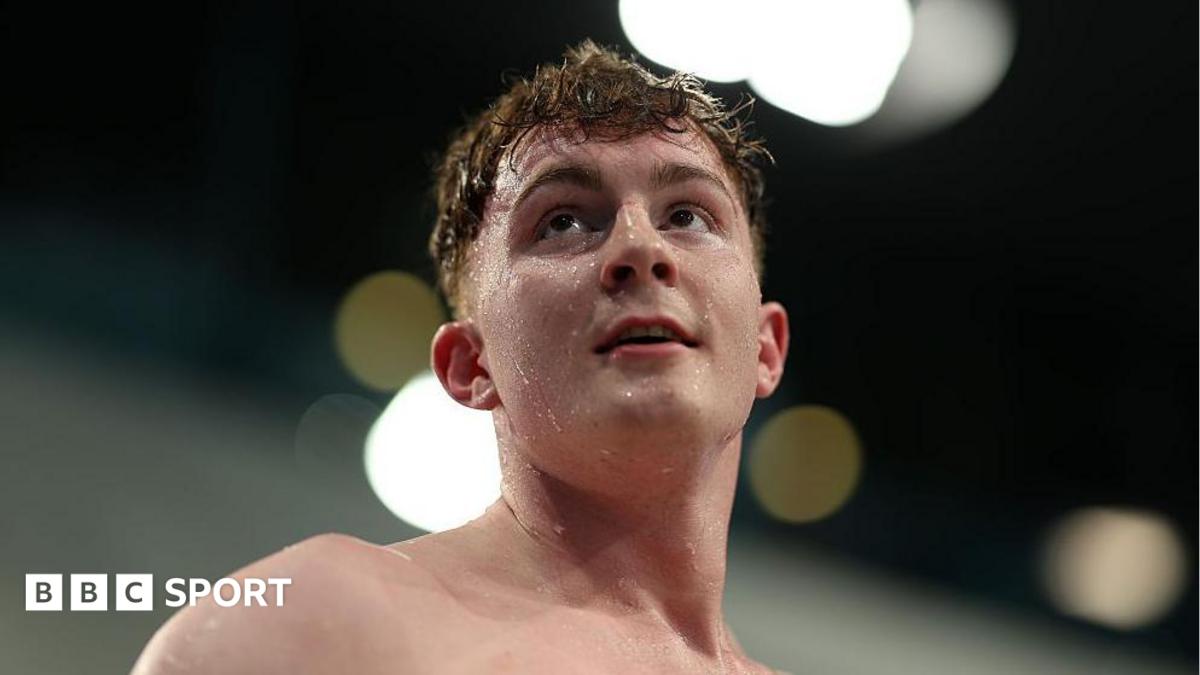
Scottish swimmer Archie Goodburn is preparing for the 2026 Commonwealth Games in Glasgow, balancing high-performance training with the management of an inoperable brain tumour. According to recent reports, the athlete is currently utilizing a specialized medical treatment plan designed to slow the progression of his condition, allowing him to maintain his competitive career as he eyes a podium finish on home soil.
The 23-year-old athlete, who has represented Scotland on the international stage, continues to train at a high level despite the health challenges he faces. The Glasgow 2026 Commonwealth Games, scheduled to host a streamlined sports programme, provide a significant target for Goodburn, who has been working closely with medical professionals to manage his condition while maintaining his athletic output.
Managing Performance Amid Health Challenges
Goodburn’s approach to the upcoming cycle involves a rigorous integration of medical oversight and physical conditioning. While his diagnosis remains a serious hurdle, he has publicly credited specific medical interventions with providing the stability necessary to continue training. The swimmer, who has previously competed at the World Championships, remains focused on the technical requirements of the pool, adapting his training load to account for the physical toll of both his treatment and the demands of elite swimming.

The Scottish Swimming federation has maintained support for its high-performance athletes, providing access to resources that facilitate both rehabilitation and training. For Goodburn, the goal of competing in Glasgow represents a return to a familiar environment, as the city prepares to host the multi-sport event in July 2026.
The Path to Glasgow 2026
The Glasgow 2026 Commonwealth Games are set to run from July 23 to August 2, 2026, featuring a core programme of 10 sports, including swimming. This condensed format is designed to be more sustainable and cost-effective than previous iterations of the Games. For Goodburn, the home crowd offers a unique opportunity for motivation.

His preparations involve a delicate balance between managing his neurological health and the physiological stress of competitive swimming. According to the NHS, the management of brain tumours requires multidisciplinary care, often involving oncologists, neurologists, and specialist sports physiotherapists. Goodburn’s ability to remain in the sport at an elite level highlights the efficacy of modern treatment protocols when applied alongside professional athletic support structures.
Athletic Resilience in Elite Sports
The story of athletes competing through chronic illness is a recurring theme in modern sports, often highlighting the intersection of advanced medical science and human endurance. Goodburn’s case has drawn attention not only for his performance in the water but also for the transparency with which he approaches his diagnosis. By continuing to pursue a medal, he joins a cohort of athletes who have navigated significant health setbacks to maintain their presence in global competitions.
His focus remains on qualifying through the upcoming trials, which will determine the final composition of the Scottish team. The standard required to reach a Commonwealth final is high, and Goodburn’s training regimen is currently being monitored to ensure he can peak at the correct time for the 2026 event. Further updates regarding his qualification status and training progress are expected as the Games draw closer.
The next major milestone for athletes aiming for the 2026 Games will be the release of the specific qualification standards and the finalization of the competition schedule by the Commonwealth Games Federation. Supporters and followers of Scottish swimming can track official updates through the Scottish Swimming website or the Commonwealth Games Federation portal. Share your thoughts on this story or join the discussion in the comments section below.