
The New World screwworm, a parasitic insect capable of causing severe tissue damage in livestock and domestic animals, has been identified in the United States, prompting federal authorities to implement intensified surveillance and containment protocols. According to the United States Department of Agriculture (USDA) Animal and Plant Health Inspection Service, the pest—the larval stage of the *Cochliomyia hominivorax* fly—feeds on the living flesh of warm-blooded animals, making early detection and intervention critical for pet owners and livestock producers.
While the screwworm was officially eradicated from the United States in 1966 through the innovative use of the Sterile Insect Technique, its recent detection in domestic cattle has raised concerns regarding biosecurity and the potential for re-establishment. Federal officials, including representatives from the USDA, have characterized the current situation as a localized incident, though they continue to monitor borders and movement patterns to prevent a wider outbreak. Understanding how to prevent and treat your pet from screwworm is essential for animal welfare, particularly for those residing in states bordering Mexico, where the parasite remains endemic.
Identifying the Risk and Clinical Signs
The New World screwworm is distinct from other fly species because its larvae feed exclusively on healthy, living tissue rather than necrotic or dead flesh. According to the Centers for Disease Control and Prevention (CDC), the female fly is attracted to open wounds, even those as minor as a tick bite, a surgical incision, or an umbilical cord in newborns. Once the eggs hatch, the larvae burrow into the flesh, creating deep, pocket-like wounds that can expand rapidly if left untreated.
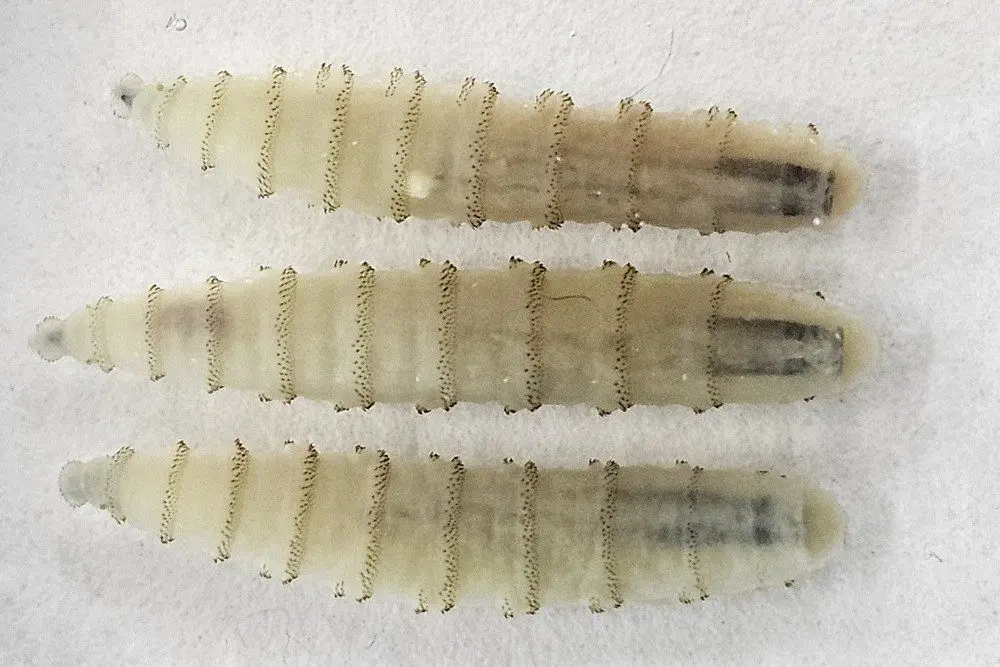
Pet owners should remain vigilant for specific clinical indicators of an infestation. The most common signs include a persistent, foul-smelling discharge from an open wound, excessive licking or biting at a specific area of the body, and the visible presence of larvae within the tissue. Because the larvae move in a corkscrew-like motion, the wound may appear to “pulse” or shift. Veterinary professionals emphasize that any unexplained, deep-seated wound in an animal—especially one accompanied by significant swelling or bleeding—warrants an immediate professional examination to rule out parasitic infestation.
Preventative Measures for Domestic Animals
Preventing a screwworm infestation relies primarily on rigorous wound management and environmental control. For pet owners, the most effective defense is keeping animals free of open sores and preventing fly access to existing injuries. According to guidance from the USDA APHIS, owners should inspect their animals daily, particularly during warmer months when fly activity is highest. If an animal sustains an injury, the wound should be cleaned, disinfected, and covered or treated with a veterinarian-approved repellent to discourage fly strikes.
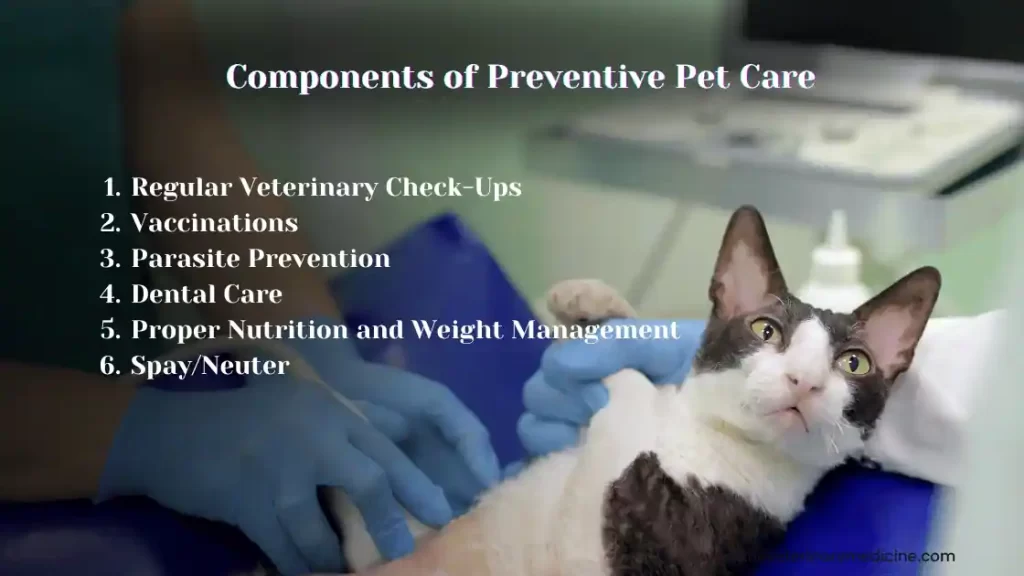
In addition to wound care, maintaining general animal hygiene is essential. Keeping pets indoors or in screened enclosures during peak fly activity periods can significantly reduce exposure risks. Furthermore, ensuring that all pets are current on routine veterinary checkups allows for the early identification of skin conditions or minor injuries that might otherwise go unnoticed. For livestock owners, the USDA recommends coordinating with local extension offices to stay informed about regional fly population density and any specific movement restrictions or quarantine measures currently in effect.
Treatment Protocols and Veterinary Intervention
If you suspect your pet has been exposed to or is suffering from a screwworm infestation, immediate veterinary intervention is required. Treatment typically involves the physical removal of the larvae from the wound site, followed by the application of specialized insecticides or medications designed to kill remaining larvae and prevent secondary bacterial infections. According to the Merck Veterinary Manual, systemic treatments and topical wound dressings are often used in tandem to ensure the complete eradication of the parasite and to facilitate tissue healing.
It is critical that owners do not attempt to treat a suspected screwworm infestation at home using unverified or home-remedy methods. Improper removal techniques can lead to increased stress for the animal, unnecessary pain, or the accidental burial of larvae deeper into the tissue, which may exacerbate the infection. By seeking professional care, owners ensure that the infestation is properly diagnosed, documented, and treated according to established veterinary standards, which also aids in public health reporting and disease tracking.
Regulatory Oversight and Monitoring
The presence of the screwworm in U.S. cattle has triggered a robust federal response aimed at containing the spread. According to the USDA, surveillance teams are currently conducting trace-back investigations to determine the origin of the detected cases. This process involves examining the movement history of affected animals and identifying potential contact points where the parasite could have been transmitted. These efforts are supported by ongoing international cooperation, specifically through the Joint Commission for the Eradication and Prevention of Screwworms, which manages the production and release of sterile flies to suppress wild populations.

As the situation continues to evolve, the USDA maintains an updated database of active surveillance zones and provides resources for veterinarians and producers. For the most current information regarding regional risks or to report a suspected case, pet owners and livestock producers are encouraged to contact their state veterinarian or the local USDA Area Office. Monitoring official agency announcements remains the most reliable method for staying informed on containment progress and any necessary changes to animal movement protocols.
The World Today Journal will continue to track updates from the USDA and state veterinary boards regarding the containment of the New World screwworm. Readers are encouraged to share this information with fellow pet owners and to leave comments below if they have questions regarding local veterinary resources.
Worth a look