In a closely watched legislative session on Capitol Hill, Senate Republicans have successfully blocked a Democratic-led effort to restrict a $1.8 billion fund established under the current administration. The move, which unfolded during a broader series of floor proceedings, underscores the ongoing friction between the White House and opposition lawmakers regarding the allocation and oversight of executive branch financial resources. As the 119th United States Congress continues its session, the debate over this specific funding mechanism—often characterized by critics as an “anti-weaponization” initiative—remains a focal point of political contention.
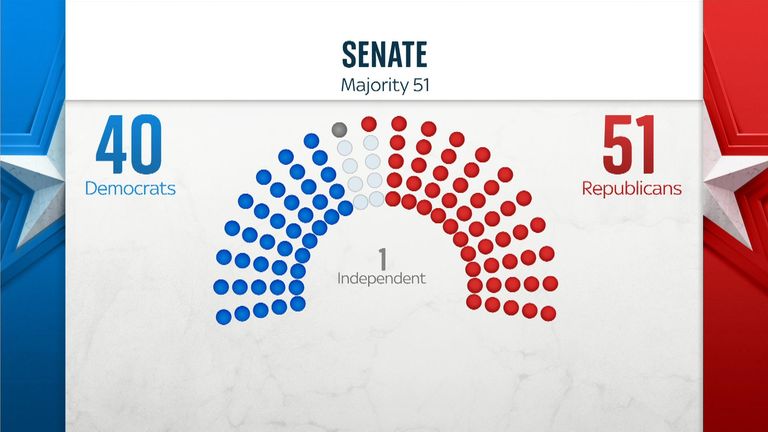
The legislative maneuver, intended to curtail the administration’s ability to utilize these funds for payouts to allies, was met with stiff resistance from the Republican majority. With the Senate currently composed of 53 Republicans and 47 members who caucus with the Democratic minority, according to the official records of the United States Senate, the vote resulted in a rejection of the proposed restrictions. The outcome reflects the current balance of power and the strategic use of floor time to force votes on controversial executive policies.
Legislative Context and the “Vote-a-Rama” Dynamic
The attempt to defund the $1.8 billion allocation occurred within the framework of a “vote-a-rama,” a parliamentary process that allows senators to offer a rapid succession of amendments to pending legislation. This process is frequently employed to force members to go on the record regarding contentious issues, often resulting in high-stakes political theater that highlights partisan divides. In this instance, the focus was squarely on the administration’s financial strategies and the perceived political nature of the disbursements.
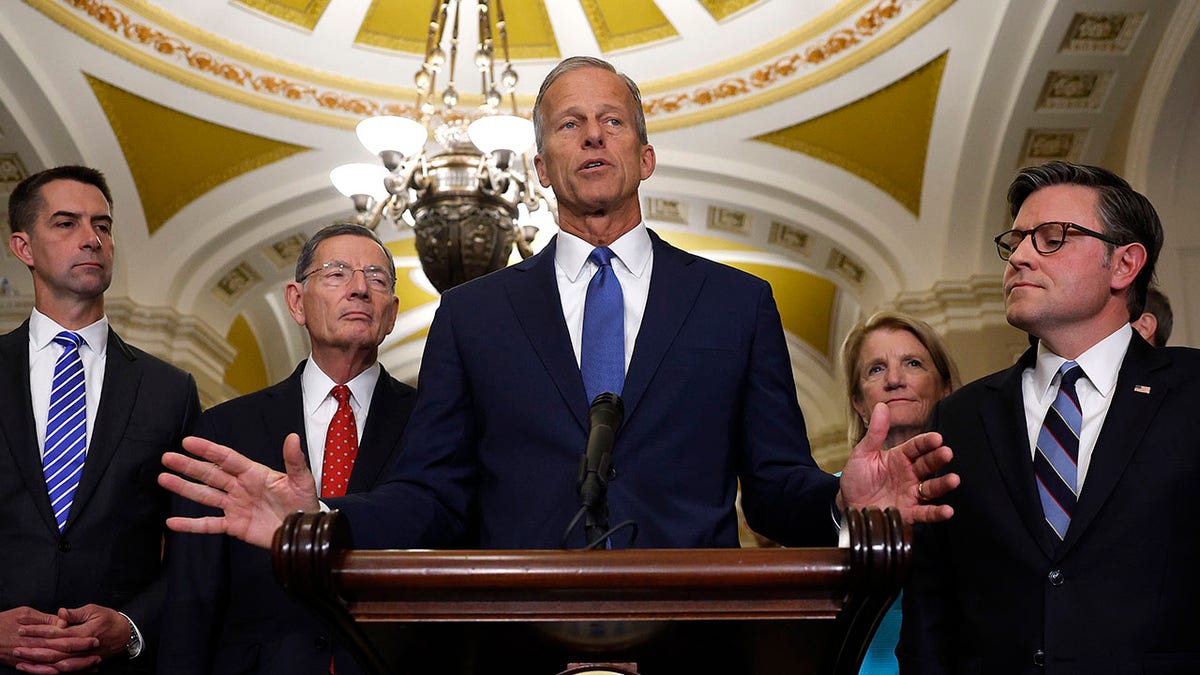
The Senate, which operates under the authority granted by Article One of the United States Constitution, holds the exclusive power to confirm presidential appointments, approve treaties and exercise oversight of executive branch actions, as detailed in the Senate’s foundational documents. By attempting to block the fund, Democratic senators sought to leverage this oversight role to challenge the administration’s executive discretion. However, the Republican leadership, led by Majority Leader John Thune, successfully maintained party discipline to defeat the measure.
The Debate Over Executive Funding
At the heart of the controversy is the nature of the $1.8 billion fund. Supporters within the administration have characterized the fund as a necessary tool for addressing systemic issues, while opponents argue that the lack of rigorous oversight creates an opportunity for the distribution of public money to political allies. The term “anti-weaponization” has become a flashpoint in the rhetoric surrounding the fund, with both parties interpreting the administration’s actions through vastly different lenses.
The debate is not merely about the dollar amount, but about the precedent it sets for executive branch spending. Transparency advocates and opposition lawmakers have raised questions regarding the criteria used for payouts and the lack of traditional congressional appropriation controls. Conversely, the administration contends that We see operating within its established legal authority to manage executive agencies and respond to emerging challenges. This disagreement highlights the broader tension between the executive and legislative branches regarding the limits of presidential power in the current political climate.
Looking Ahead: Legislative Priorities
The failure to pass the amendment does not signify an end to the scrutiny surrounding these funds. The Senate is expected to continue its oversight activities as part of the normal course of business. With the next major election cycle approaching in November 2026, where 35 seats in the Senate will be contested, both parties are likely to continue utilizing floor proceedings to shape the public narrative regarding executive accountability and government spending.
Observers of congressional activity should monitor upcoming meetings of relevant committees, such as the Senate Foreign Relations Committee and the Armed Services Committee, which are scheduled to convene in the coming days to address their respective legislative agendas. These hearings often serve as the primary venue for detailed examination of administration policies, far beyond the rapid-fire votes seen on the Senate floor. The public can track these proceedings and access official roll call votes through the U.S. Senate’s legislative information system, which provides real-time updates on committee schedules and floor actions.
As the debate persists, the focus will likely shift to whether further legislative efforts or judicial interventions might be sought to address the concerns raised by the opposition. For now, the administration retains the ability to move forward with its financial plans, leaving the question of executive oversight as a central theme of the current congressional session.
What are your thoughts on the balance between executive discretion and legislative oversight? Join the conversation in the comments section below and share this report with your network to keep the discussion going.