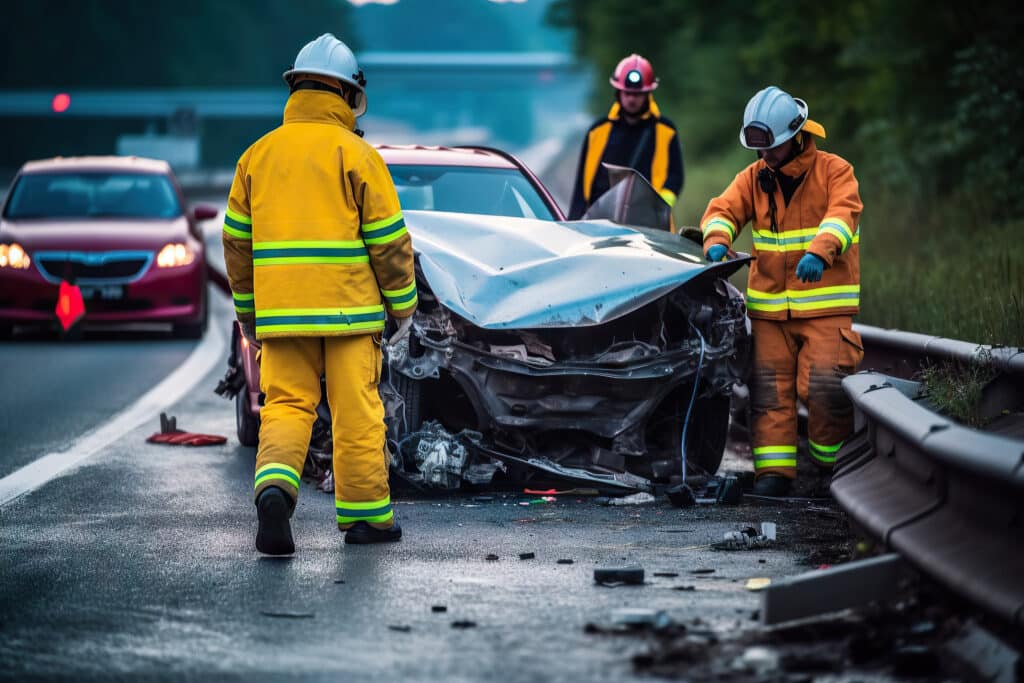
Emergency services were dispatched to the municipality of Jalhay, Belgium, following a serious road collision that resulted in three people sustaining injuries. The incident, which necessitated a complex rescue operation, highlights the ongoing safety challenges faced on regional roadways as local authorities continue to manage traffic-related emergencies.
The accident occurred under circumstances that prompted an immediate response from specialized technical teams. According to reports from regional emergency coordination centers, the severity of the crash required the deployment of equipment to assist in the extraction of one individual trapped within a vehicle. Such operations, often referred to as extrication or désincarcération in French-speaking regions, are standard practice in high-impact collisions where structural damage to the vehicle prevents safe exit for occupants.
Emergency Response and Site Operations
Upon arrival at the scene, first responders established a perimeter to secure the area and facilitate the work of medical and technical crews. The primary goal during such operations is the stabilization of patients while simultaneously addressing the mechanical challenges of the wreckage. The use of hydraulic rescue tools—frequently utilized by fire services to gain access to victims—is a critical component of these interventions, ensuring that medical personnel can provide urgent care as quickly as possible.
Traffic management in the vicinity of the accident was handled by local law enforcement to ensure the safety of both the rescue teams and motorists. In the aftermath of significant road incidents, authorities typically conduct an assessment of road conditions and driver behavior to determine if external factors, such as weather or infrastructure issues, contributed to the event. For official updates regarding road safety and traffic alerts in the Wallonia region, residents are encouraged to consult the Centre Perex, which monitors the Belgian road network.
Understanding Road Safety Protocols
While the specific cause of this collision in Jalhay remains a subject of ongoing review, regional road safety trends often center on the importance of speed management and adherence to traffic regulations. The Belgian Road Safety Institute, known as VIAS, provides extensive resources on accident prevention and the legal requirements for motorists navigating rural and urban environments. Their research underscores that even minor infractions can lead to severe outcomes, necessitating a vigilant approach to daily commuting.
For those involved in or witnessing such incidents, the standard procedure involves contacting emergency services immediately via the European emergency number, 112. This centralized system ensures that the most appropriate resources—whether police, fire, or medical—are dispatched based on the specific needs of the situation. Maintaining a safe distance and yielding to emergency vehicles are essential behaviors that support the efficiency of these life-saving operations.
Next Steps and Community Impact
As the investigation into the Jalhay collision continues, information regarding the identities of those involved or the precise timeline of their recovery is typically managed by local judicial and health authorities to protect the privacy of the victims. Future updates, if released, will be provided through official municipal communications or regional media channels that adhere to strict data protection standards.

We will continue to monitor regional reports for any further developments regarding this incident. If you have witnessed road safety concerns in your area or wish to stay informed about local infrastructure projects, you may find it useful to check the official website of the Commune de Jalhay for announcements from the local administration. We invite our readers to share their thoughts on road safety awareness in the comments section below, as we remain committed to providing accurate and timely information on events impacting our communities.
Keep reading