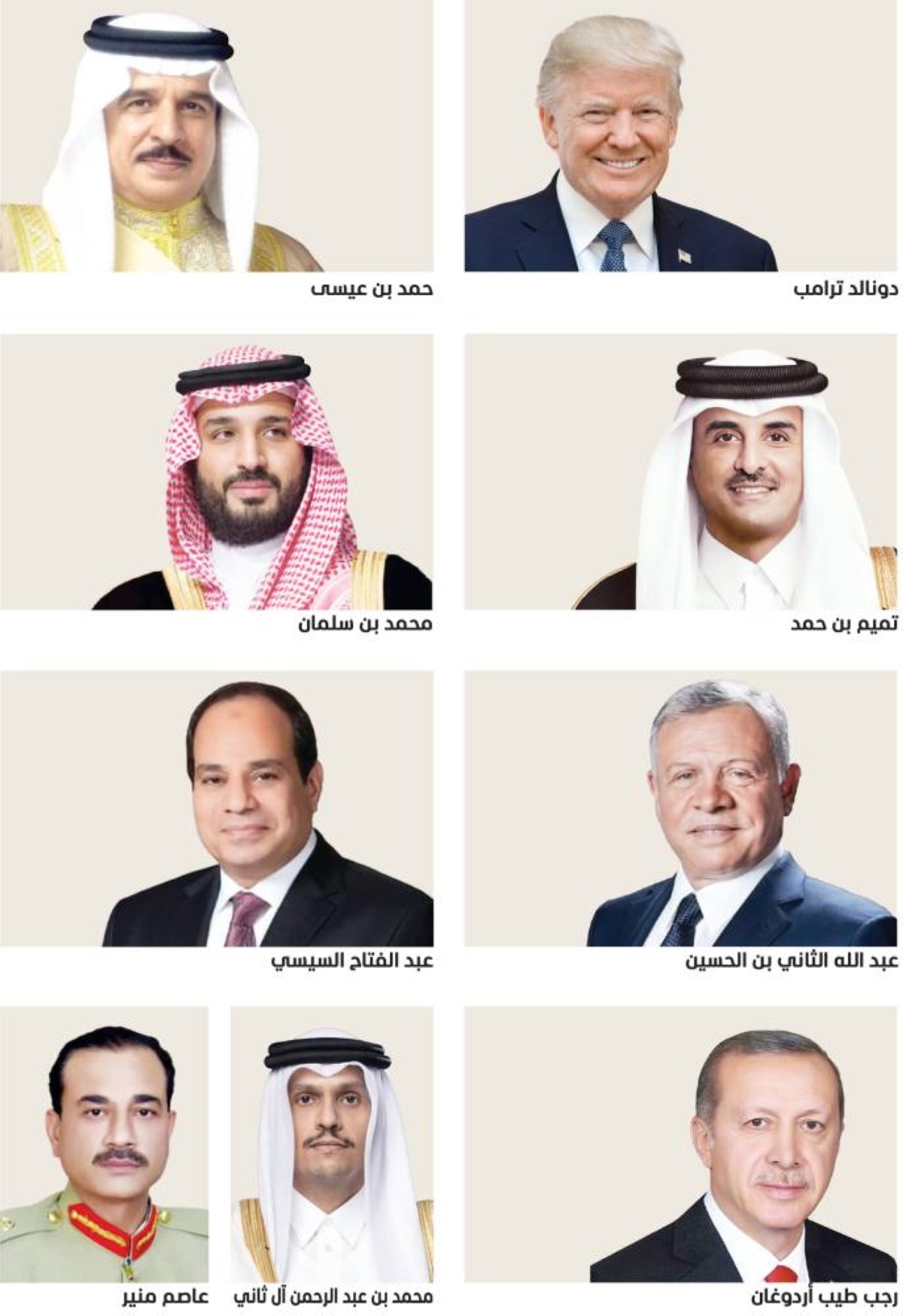
In a series of high-level diplomatic engagements, leaders across the Middle East have intensified consultations aimed at addressing regional stability and the promotion of political solutions to ongoing crises. These discussions, which have involved key figures including the President of the United Arab Emirates and regional counterparts, underscore a concerted effort to foster de-escalation and long-term security in a volatile geopolitical climate.
The recent focus on regional diplomacy reflects a broader trend of multilateral communication. As geopolitical tensions fluctuate, the emphasis on dialogue between Gulf Cooperation Council (GCC) member states and international partners remains a central pillar of foreign policy for the nations involved. These interactions are designed to align strategies on security, economic cooperation and the pursuit of sustainable political frameworks for regional disputes.
Strengthening Diplomatic Channels for Regional Security
The diplomatic activity highlights the role of the United Arab Emirates in facilitating communication between regional leaders. Consultations have frequently centered on the necessity of integrated approaches to regional challenges, with an emphasis on the role of political dialogue over military posturing. According to official statements from the UAE Ministry of Foreign Affairs, the leadership continues to prioritize the sovereignty of nations and the restoration of stability through structured negotiations.
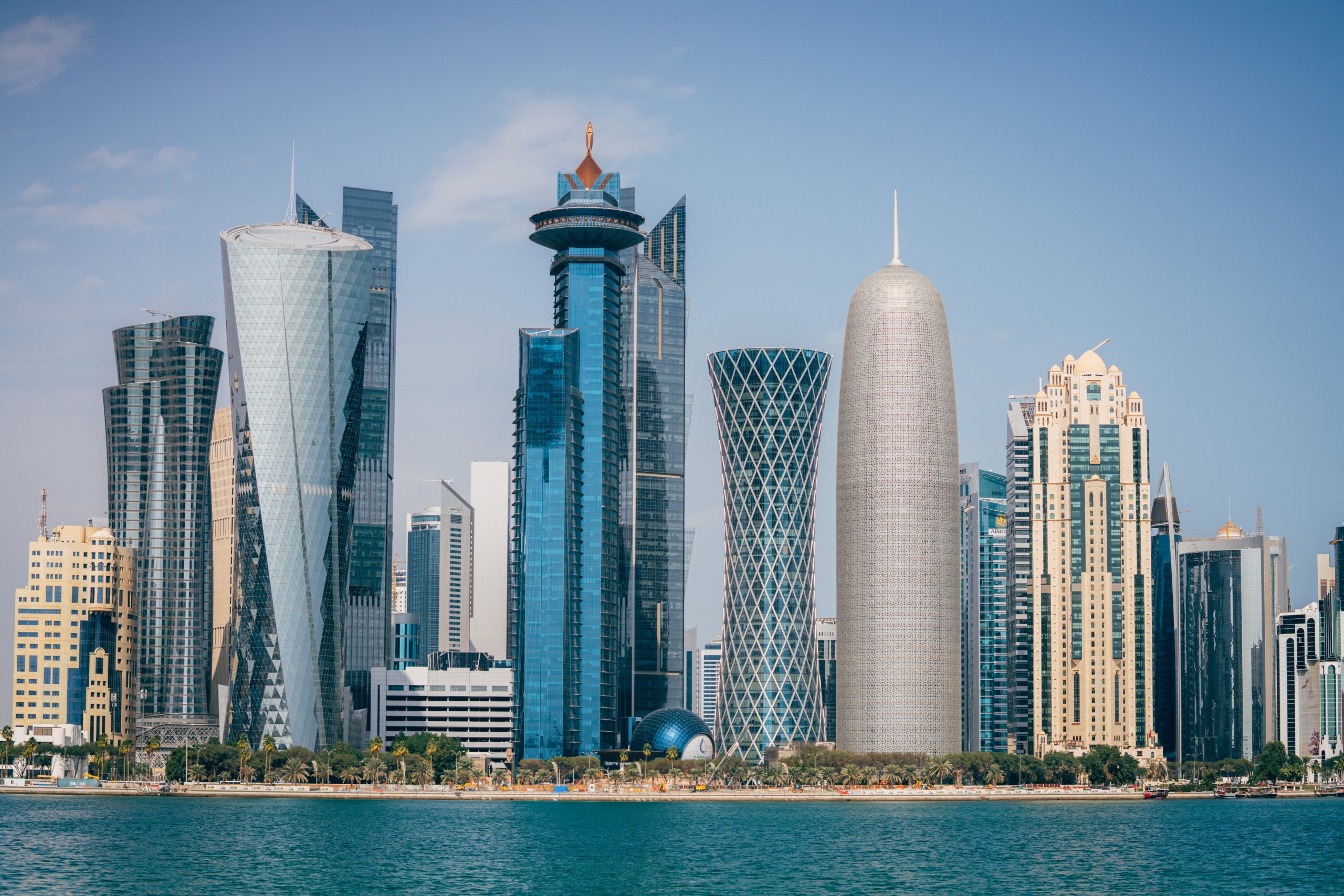
The dialogue is not limited to bilateral relations. it extends to a network of cooperation involving multiple heads of state. By engaging with both regional neighbors and international stakeholders, these leaders aim to build a cohesive front against threats to regional peace. This approach relies heavily on the maintenance of open communication lines, which officials argue are essential for preventing the miscalculation of security risks in the Gulf and the wider Middle East.
The Role of Political Solutions in Conflict Resolution
A recurring theme in these high-level meetings is the advocacy for political solutions. Rather than relying on singular security measures, the current diplomatic trajectory favors comprehensive settlements that address the root causes of regional instability. This includes support for diplomatic initiatives that seek to bridge the gaps between conflicting parties in neighboring territories.
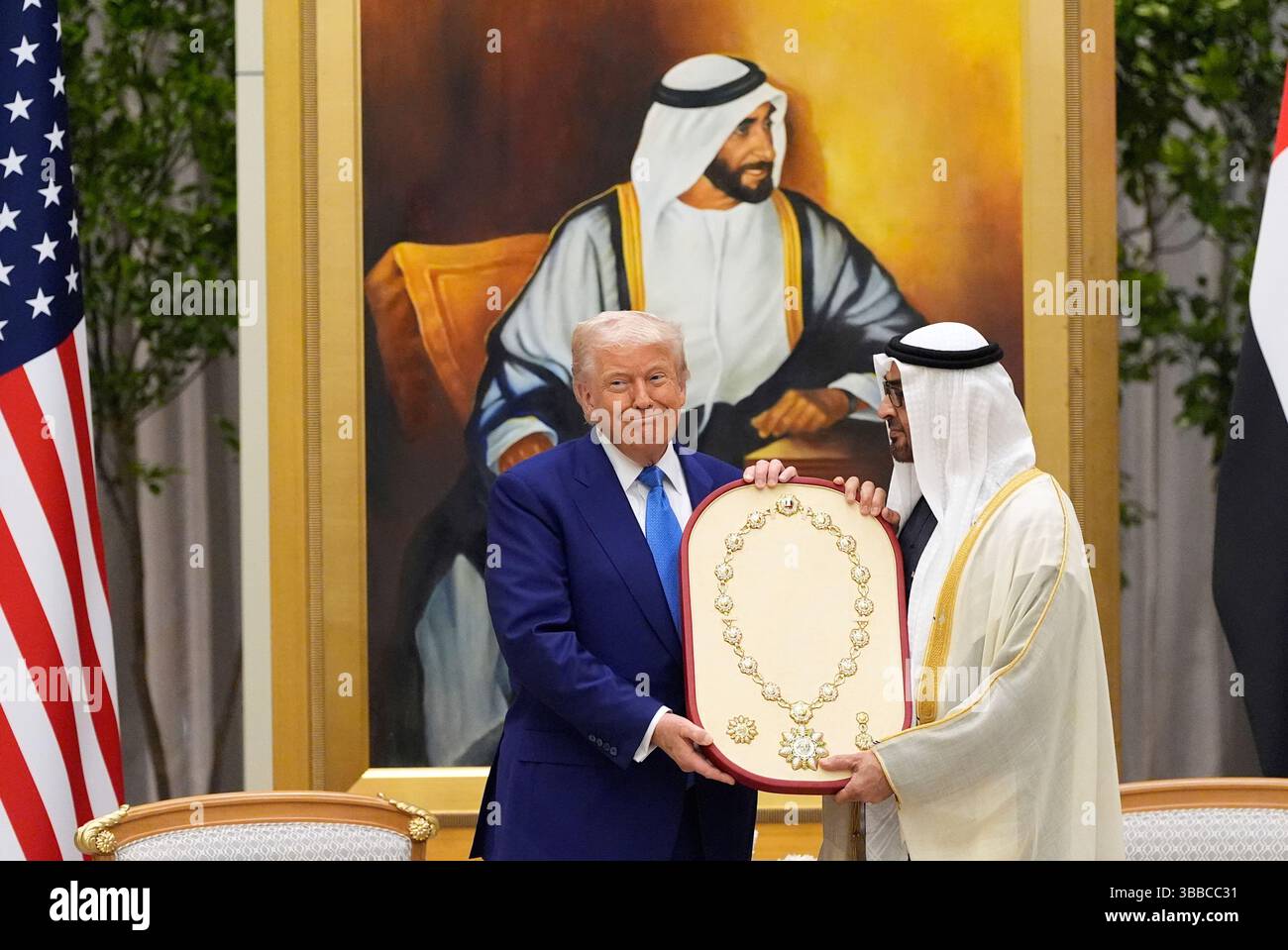
The Gulf Cooperation Council remains a critical platform for these discussions, providing a framework where member states can synchronize their foreign policies. By coordinating on issues ranging from maritime security to humanitarian assistance, these nations are attempting to create a regional buffer against external pressures. The focus on political resolution is particularly significant given the complex landscape of alliances currently shaping the region’s future.
Geopolitical Implications and Future Outlook
For international observers, the recent uptick in diplomatic activity signals a strategic pivot toward proactive crisis management. As the region navigates the complexities of shifting global alliances, the ability of local leaders to maintain consensus is paramount. The ongoing discussions between the UAE, Qatar, Saudi Arabia, and other regional actors are indicative of a collective desire to insulate the region from broader international volatility.
Looking ahead, the success of these diplomatic efforts will likely be measured by the stability of the agreements reached during these sessions. Observers note that while the rhetoric remains positive, the implementation of these political solutions requires sustained commitment from all involved parties. The next checkpoint for these initiatives will be the upcoming regional summits where progress on these security frameworks is expected to be reviewed by the respective foreign ministries.
We invite our readers to share their perspectives on these developments in the comments section below. As the situation evolves, we will continue to provide updates based on official reports and verified diplomatic outcomes.