
The Tierheim Dellbrück, a prominent animal shelter located in Cologne, Germany, has announced a temporary cessation of operations regarding the intake and rehoming of dogs due to a widespread outbreak of a severe respiratory infection. The facility, which serves as a vital hub for animal welfare in the region, took this precautionary measure to contain the spread of the illness among its canine population, as reported by local authorities and animal welfare organizations monitoring the situation.
As a physician and health journalist, I recognize the challenges that infectious diseases pose within communal living environments—whether for humans or animals. Respiratory infections in shelter settings can escalate quickly due to close proximity and the stress-induced immunosuppression often seen in rescued animals. The decision by the Tierheim Dellbrück administration reflects a responsible approach to veterinary public health, prioritizing the containment of the pathogen over the immediate resumption of animal processing.
Understanding Canine Respiratory Disease Complexes
While the specific pathogen involved in the Cologne outbreak remains under clinical investigation, shelters frequently contend with what veterinarians categorize as Canine Infectious Respiratory Disease Complex (CIRDC). Here’s not caused by a single agent but is rather a syndrome involving various viruses and bacteria, such as Bordetella bronchiseptica, canine parainfluenza virus, and canine adenovirus type 2.
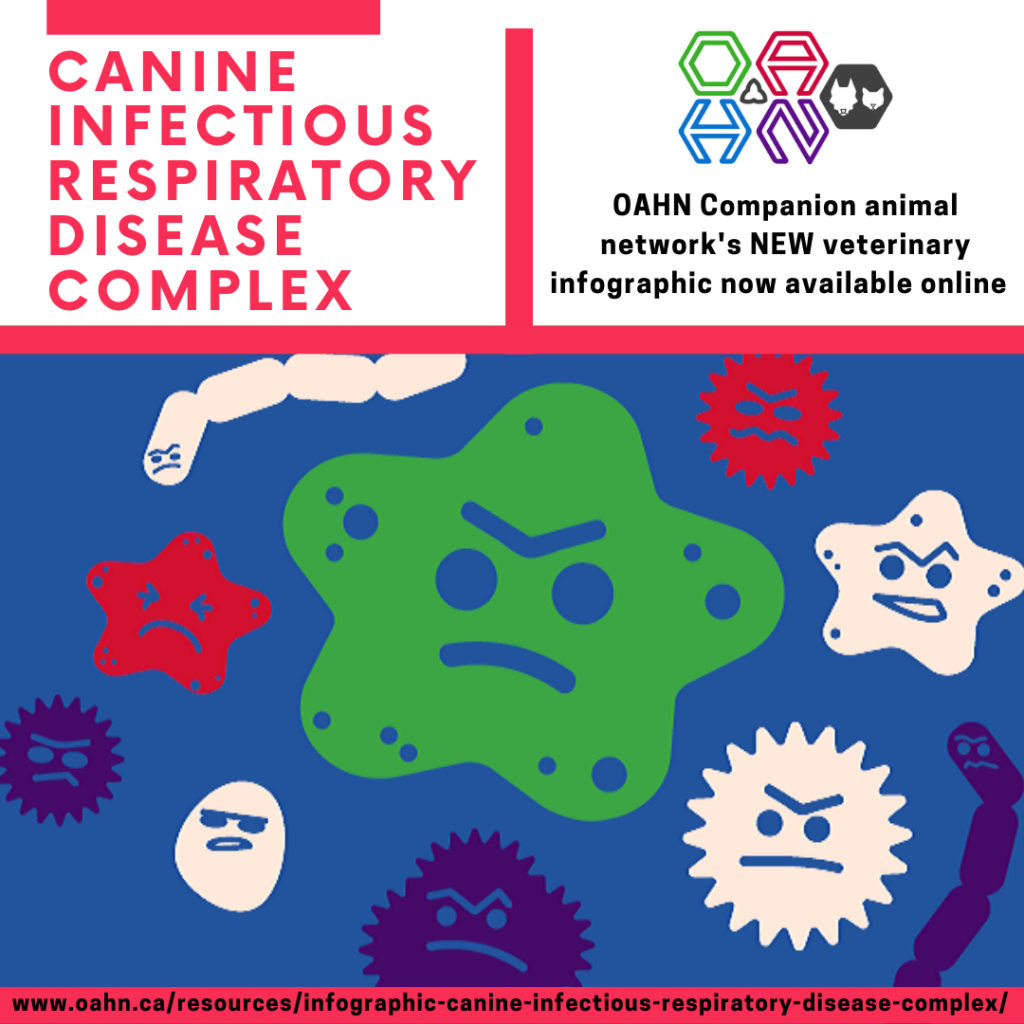
In high-density environments, these pathogens can circulate rapidly, manifesting as persistent coughing, nasal discharge, and lethargy. The University of California, Davis Veterinary Medicine provides extensive resources on identifying the early warning signs of these respiratory issues, which often include a distinct, dry, hacking cough. Because these illnesses are highly contagious through aerosolized droplets and direct contact, isolation is the gold standard for management.
Impact on Shelter Operations and Animal Welfare
The closure of the Tierheim Dellbrück highlights the vulnerability of animal welfare infrastructure when faced with public health crises. When a facility must stop adoptions and intakes, the ripple effect is significant. It limits the ability of the shelter to accept new strays or surrendered animals, often placing additional pressure on other local rescue organizations and municipal services.
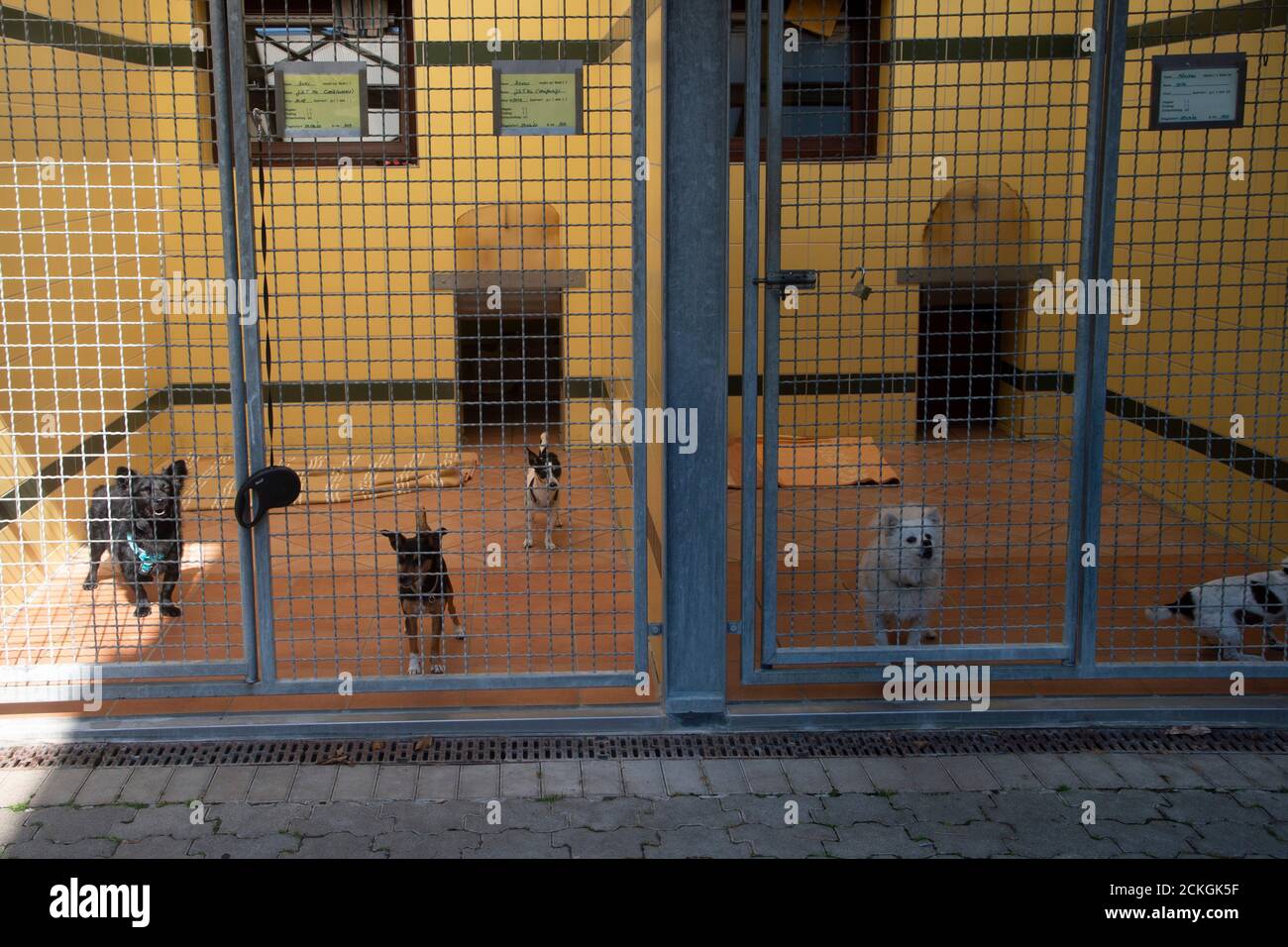
The management of the shelter has emphasized that the health of the current residents is the primary concern. By limiting movement in and out of the facility, they are effectively breaking the chain of transmission. This strategy is consistent with standard operating procedures for veterinary facilities dealing with outbreaks of highly transmissible respiratory pathogens. For those interested in the broader standards of animal shelter management, the Association of Shelter Veterinarians offers guidelines on maintaining health and welfare in congregate care environments.
What Pet Owners Should Know
For dog owners in the Cologne area and beyond, this situation serves as a reminder to stay vigilant about their own pets’ health. If your dog exhibits signs of respiratory distress, it is essential to consult with a veterinarian promptly. Maintaining up-to-date vaccinations—including those for Bordetella and canine influenza—remains the most effective way to provide a baseline level of protection against the most common respiratory pathogens.
- Monitor Symptoms: Watch for persistent coughing, sneezing, or ocular discharge.
- Practice Distancing: Avoid dog parks or high-traffic areas if your animal is showing signs of illness.
- Consult Professionals: Always seek advice from a licensed veterinarian before starting any treatment.
- Stay Informed: Follow official channels from your local animal shelter for updates on when operations might resume.
Moving Forward: Containment and Recovery
The path to reopening for the Tierheim Dellbrück will depend on the successful stabilization of the affected dogs and the implementation of rigorous disinfection protocols. As with any clinical environment, the recovery process involves a “deep clean” phase where surfaces are treated with veterinary-approved virucidal agents to ensure that the environment is safe for new arrivals.
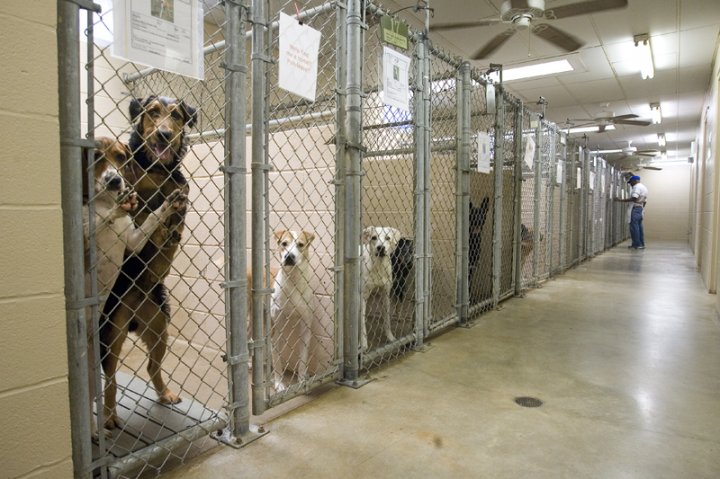
The shelter is expected to provide further updates as the situation evolves and the infection rate subsides. In the meantime, the facility’s focus remains on providing supportive care to the animals currently under their supervision. It is a stark reminder of the dedication required to run these essential institutions, where the health of vulnerable animals is balanced against the realities of infectious disease management.
We will continue to monitor the situation regarding the Tierheim Dellbrück and provide updates as they become available through official statements. If you have any experiences or questions regarding pet health during local outbreaks, please feel free to share your thoughts in the comments section below. Your engagement helps foster a more informed community of pet owners and animal advocates.
Keep reading