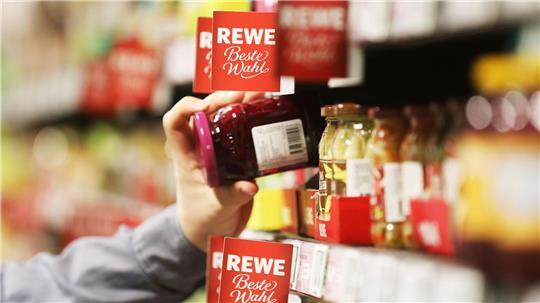
Shoppers across Germany have recently encountered gaps on supermarket shelves, sparking widespread discussion regarding supply chain stability and shifting consumer habits. As major retailers like the REWE Group navigate the complexities of modern logistics, the visibility of empty spaces in aisles for specific product categories—most notably plant-based proteins—has become a point of concern for both consumers and market analysts.
While the retail sector often balances inventory against fluctuating demand, the current situation highlights the inherent fragility of globalized food distribution networks. For a company like the REWE Group, which manages a vast network of supermarkets and convenience stores, maintaining consistent stock levels requires a delicate coordination between independent retailers, suppliers, and international logistics partners. As we examine the factors contributing to these intermittent shortages, it is essential to look at the broader economic context of the German retail market.
Understanding Supply Chain Pressures in Retail
The German retail landscape is highly competitive, dominated by large-scale entities that rely on sophisticated just-in-time inventory systems. According to official corporate data, the REWE Group operates as a cooperative, a structure that allows for a unique blend of centralized procurement and independent retail management. When gaps appear on shelves, it is rarely the result of a single failure; rather, it is often a confluence of logistics bottlenecks, labor shortages, or surges in consumer interest that outpace planned supply.

In recent years, the shift toward plant-based diets has placed unprecedented pressure on specific supply lines. When a product category experiences a sudden “hype” or rapid adoption, manufacturers often struggle to scale production rapidly enough to meet the increased volume. Here’s compounded by the fact that retailers operate on thin margins, where holding excessive inventory is often avoided to minimize waste and storage costs.
The Impact of Consumer Demand on Inventory
Market volatility is a constant in the grocery industry. When specific goods become trending items, the resulting spike in demand can create a “bullwhip effect” throughout the supply chain, where small fluctuations at the retail level result in significant supply issues at the wholesale and manufacturing levels. For the average consumer, this manifests as an empty shelf, but for the retailer, it represents a loss of potential revenue and a challenge to customer loyalty.

The REWE Group, with its diverse portfolio including brands like Penny and Billa, utilizes a complex procurement strategy to mitigate these risks. However, even the most robust systems are susceptible to global trade disruptions and agricultural output variations. As the market continues to evolve, retailers are increasingly looking toward data-driven forecasting to better anticipate shifts in consumer behavior before they result in visible shortages.
What This Means for the Future of Grocery Shopping
The current situation serves as a reminder of the interconnected nature of our food system. As we move through 2026, the focus for major retailers remains on strengthening supply chain resilience. This involves diversifying supplier bases and investing in more agile distribution technologies. For shoppers, the occasional gap in a product line is likely to remain a part of the retail landscape as the industry adapts to changing dietary preferences and global economic conditions.
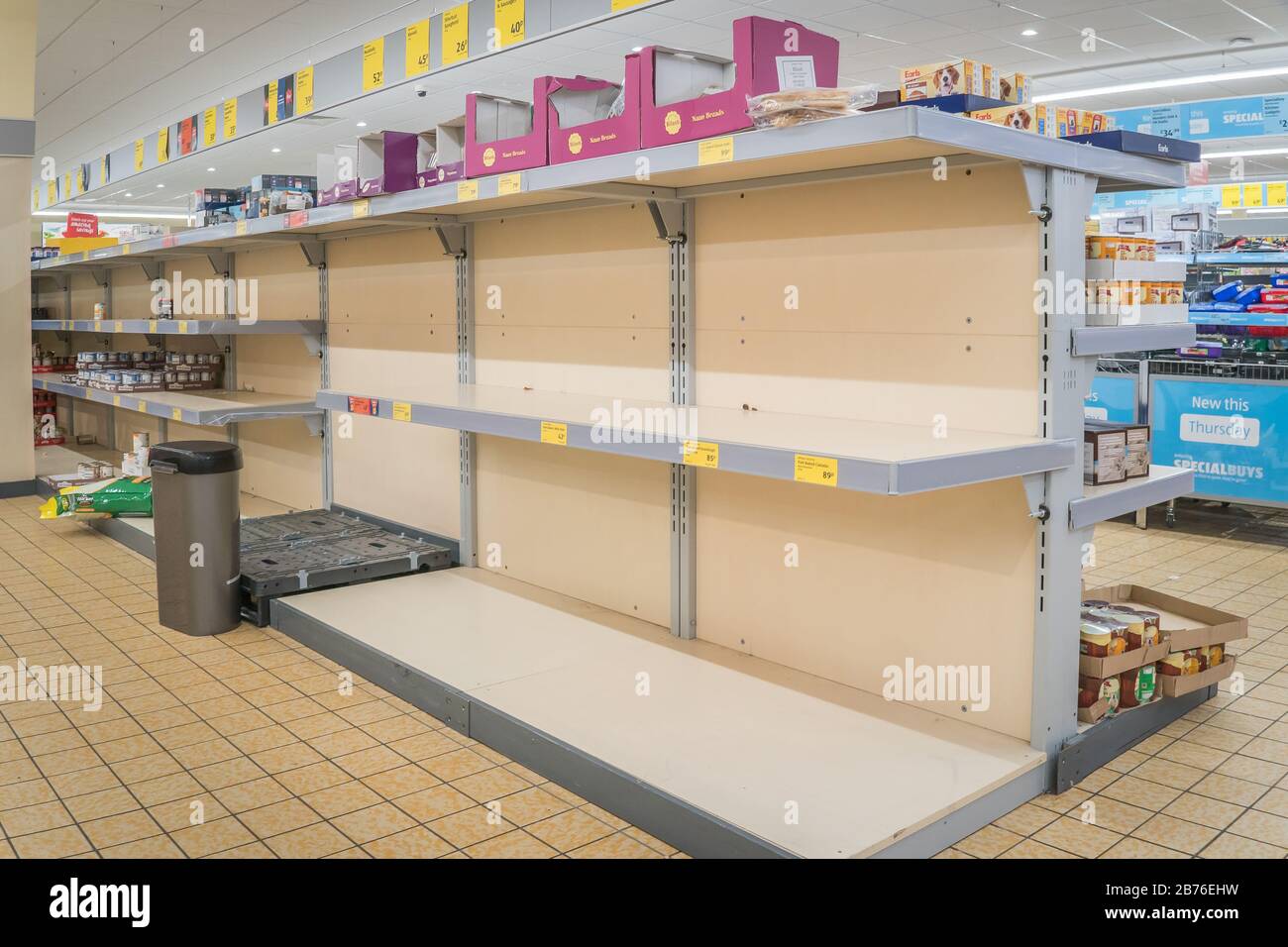
while localized shortages can feel disruptive, they are generally temporary. Retailers are actively working to normalize inventory levels, and the competitive nature of the German market ensures that consumers usually have access to alternative products when a specific item is unavailable. Staying informed through official retailer updates and monitoring local store announcements remains the best way for consumers to navigate these minor market adjustments.
As we continue to monitor the retail sector, we encourage our readers to share their own experiences with inventory availability in their local areas. We will continue to track developments in supply chain management and provide updates as more information becomes available from industry leaders and market regulators. For further insights into the retail landscape, please visit our Business section archives for ongoing coverage of European trade and economic policy.
Related reading