
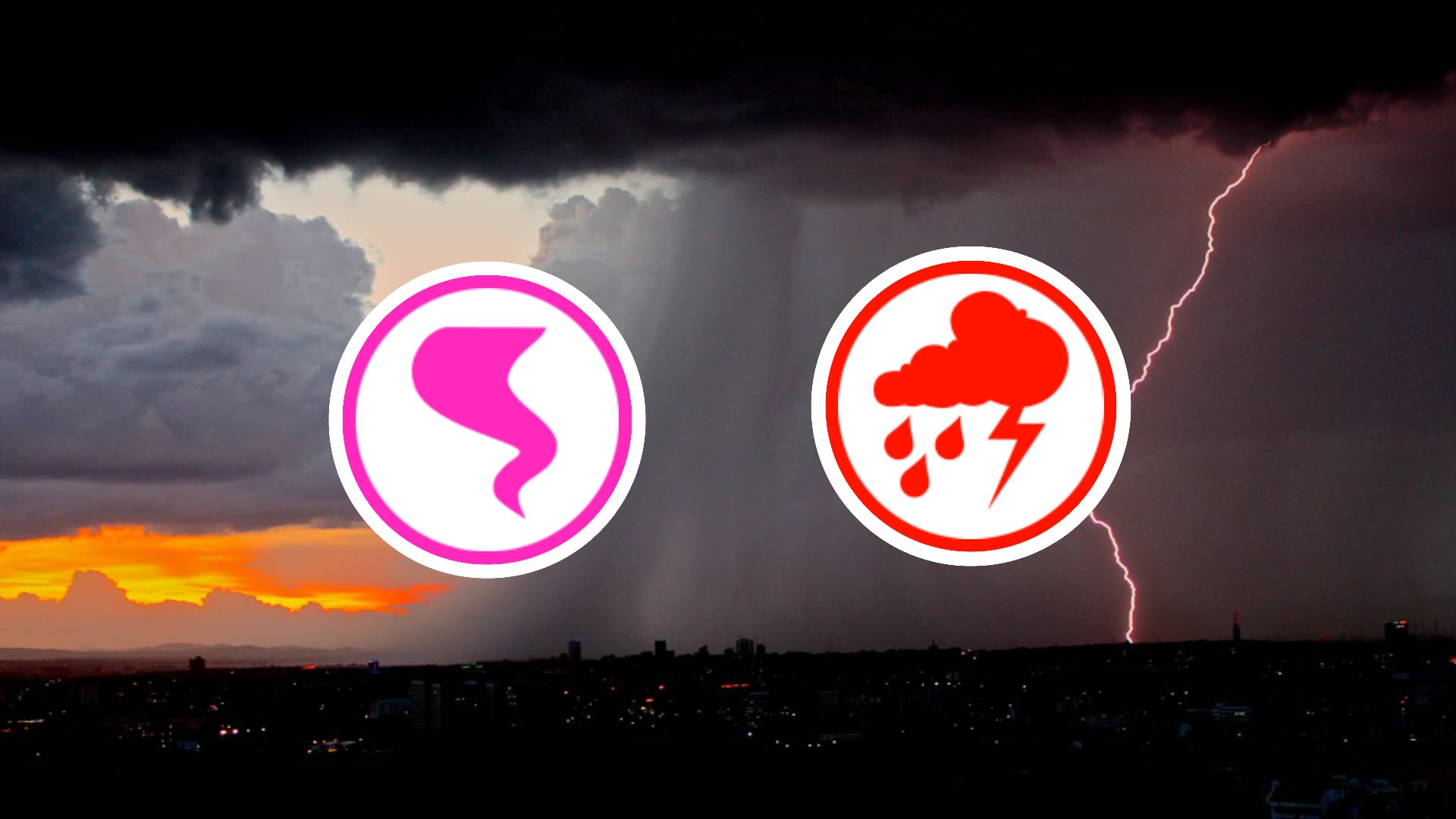
Environment and Climate Change Canada issued multiple severe thunderstorm warnings on July 1, disrupting Canada Day celebrations across several regions with threats of devastating wind gusts, heavy rainfall, and hail. The alerts specifically targeted areas in Quebec and other provinces, prompting officials to advise residents to seek immediate shelter as hazardous storm cells moved through populated sectors.
In Quebec, weather monitoring services identified a dangerous storm cell in the Rapides-des-Joachims sector. According to regional weather reports, this specific system carried the potential to produce devastating wind gusts and significant hail, posing a direct threat to outdoor infrastructure and public safety during the national holiday.
The timing of these alerts coincided with peak celebration hours, forcing municipal organizers to monitor radar closely and, in some instances, pause scheduled festivities. The instability in the atmosphere created a pattern of “no respite” for those attempting to host outdoor events, as storm cells developed rapidly across the landscape.
What triggered the severe thunderstorm warnings?
The warnings were triggered by a combination of high humidity and atmospheric instability, which are common during the early July period in North America. Environment and Climate Change Canada, the official government body responsible for meteorological monitoring, tracks these systems using Doppler radar to identify “dangerous storm cells” characterized by intense updrafts.

These specific cells are capable of producing “devastating gusts,” a term used to describe winds that can uproot trees, damage power lines, and destroy temporary structures like event tents. In the Rapides-des-Joachims area, the convergence of moisture and heat led to the formation of cells that meteorologists warned could produce hail, which often accompanies the most violent thunderstorms in the region.
The risk of flash flooding was also a primary concern. Heavy rainfall concentrated in small geographic areas can overwhelm local drainage systems, leading to rapid water accumulation on roads and in low-lying urban areas. This risk is heightened during Canada Day when large crowds gather in parks and public squares, complicating evacuation efforts.
How did the storms affect Canada Day celebrations?
The severe weather alerts created significant logistical challenges for city planners and emergency services. Because Canada Day involves high-density gatherings for parades and fireworks, the threat of lightning and high winds necessitates immediate action to ensure public safety.

In affected sectors, organizers were forced to implement contingency plans, which included:
- Moving public gatherings from open fields to indoor facilities.
- Delaying the launch of fireworks displays due to wind speed thresholds.
- Issuing emergency notifications via mobile alerts to warn crowds of approaching cells.
The disruption in the Rapides-des-Joachims sector served as a focal point for the severity of the system. When a storm is classified as “dangerous,” it implies that the wind and hail potential exceed standard thunderstorm parameters, requiring a higher level of vigilance from local authorities and the general public.
What are the safety protocols for hazardous weather in Canada?
When Environment Canada issues a severe thunderstorm warning, specific safety protocols are activated to minimize casualties and property damage. The agency advises the public to move indoors immediately and stay away from windows.
According to official safety guidelines, individuals caught outdoors during such alerts should avoid seeking shelter under trees, as the “devastating gusts” mentioned in the warnings can cause large branches to fall or entire trees to collapse. In the case of hail, the priority is to protect the head and neck and move away from glass structures.
For those managing large events, the protocol involves monitoring the “Warning” versus “Watch” status. A “Watch” indicates that conditions are favorable for severe weather to develop, while a “Warning” means the weather event is occurring or imminent. Once a warning is issued for a specific sector, such as Rapides-des-Joachims, the standard operating procedure is the immediate cessation of outdoor activities.
Why these storm patterns persist in July
Meteorologists note that the transition into July often brings a clash between warm, moist air from the Gulf of Mexico and cooler, drier air masses from the north. This collision creates the instability necessary for supercell thunderstorms, which are more organized and longer-lived than standard storms.

The impact of these storms is amplified during national holidays because of the sheer volume of people in vulnerable, open-air environments. The “no respite” scenario described in weather reports refers to the repetitive nature of these cells, where one storm system is followed shortly by another, preventing organizers from safely resuming events.
This pattern of severe summer weather is a recurring challenge for Canadian municipalities. The integration of real-time radar data and mobile alerting systems has reduced response times, but the volatility of these cells remains a primary risk factor for outdoor public gatherings.
The next official meteorological update regarding seasonal storm trends and long-term forecasts will be released by Environment and Climate Change Canada in their monthly climate summary.
Do you have a story about how the weather impacted your Canada Day plans? Share your experience in the comments below or share this article with your community to help others stay informed about weather safety.