
Shilajit: Benefits, Purity and Scientific Evidence
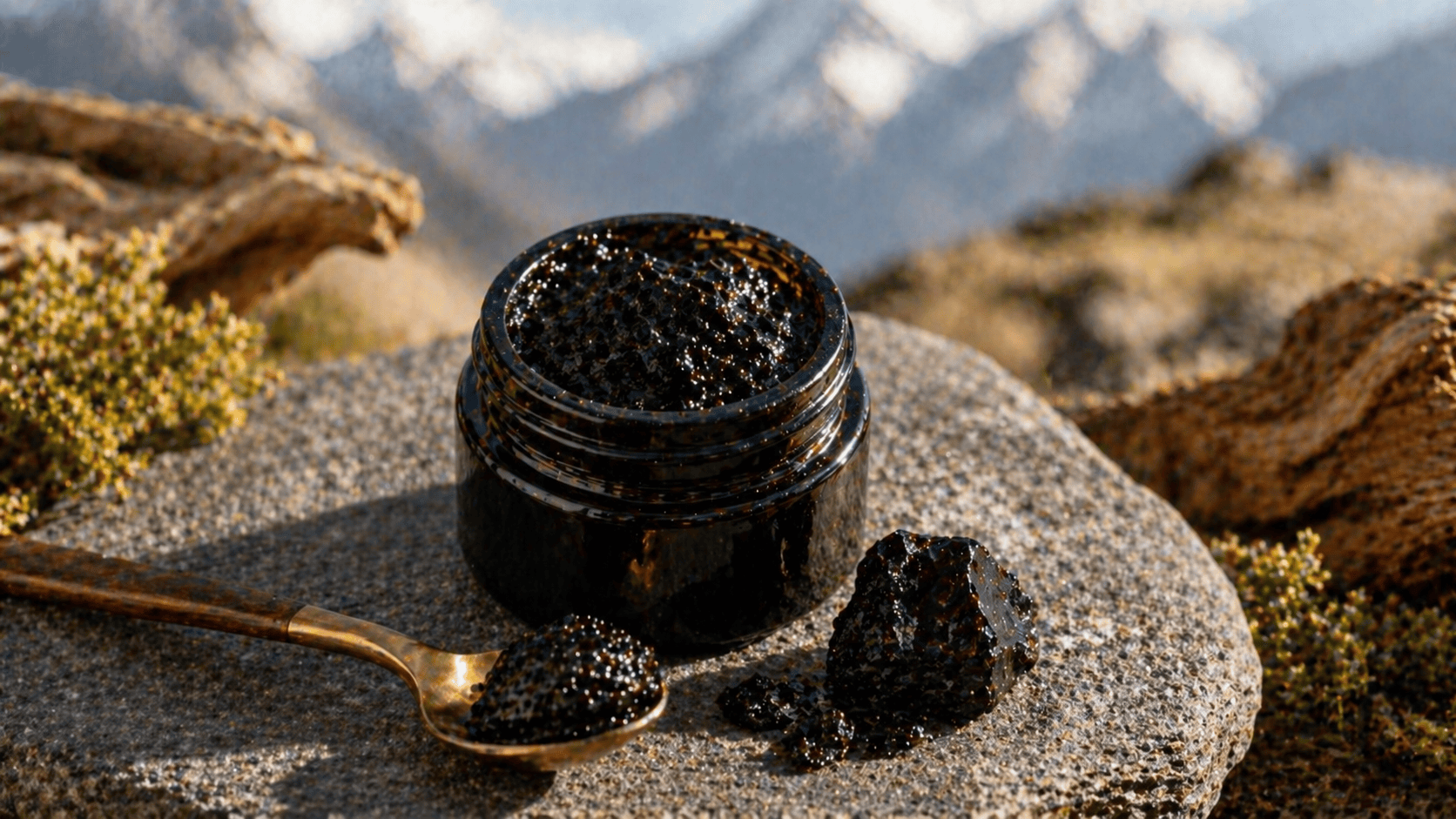
For centuries, traditional Ayurvedic medicine has utilized a substance called shilajit, a sticky, tar-like resin found primarily in the Himalayan mountains. Increasingly, shilajit is gaining attention in the Western world as a potential supplement for enhancing energy levels, improving cognitive function, and even boosting athletic performance. But what does the science say about this ancient remedy, and what should consumers be aware of when considering shilajit supplementation? This article delves into the purported benefits of shilajit, examines the importance of purity, and reviews the available scientific evidence.
Shilajit is formed over centuries from the slow decomposition of plants and organic matter at high altitudes. The resulting substance is rich in humic substances, fulvic acid, and a variety of minerals. Traditionally, it was used to treat a wide range of ailments, from fatigue and weakness to altitude sickness, and aging. Today, proponents suggest shilajit can address issues ranging from male infertility to neurodegenerative diseases. However, it’s crucial to understand that not all shilajit products are created equal, and the quality and purity can vary significantly.
What are the Potential Benefits of Shilajit?
The potential benefits of shilajit are linked to its unique composition, particularly its high concentration of fulvic acid. Fulvic acid is believed to enhance nutrient absorption, reduce inflammation, and act as a powerful antioxidant. Research suggests several areas where shilajit may offer health benefits.

Energy and Fatigue Reduction
One of the most commonly reported benefits of shilajit is increased energy levels and reduced fatigue. This is often attributed to its ability to improve mitochondrial function, the powerhouses of our cells. Mitochondrial dysfunction is linked to chronic fatigue syndrome and other conditions characterized by low energy. While more research is needed, preliminary studies suggest shilajit may help improve energy metabolism.
Cognitive Function and Neuroprotection
Emerging research indicates shilajit may have neuroprotective properties, potentially benefiting cognitive function and protecting against neurodegenerative diseases like Alzheimer’s. Fulvic acid, a key component of shilajit, has been shown to inhibit the aggregation of tau proteins, a hallmark of Alzheimer’s disease, in laboratory studies. A 2023 study published in the journal Nutrients explored the potential of shilajit in mitigating cognitive decline, highlighting its antioxidant and anti-inflammatory effects.
Male Fertility and Testosterone Levels
Shilajit has been traditionally used to enhance male fertility and improve testosterone levels. A randomized, double-blind, placebo-controlled study published in Andrologia in 2016 investigated the effects of purified shilajit supplementation on sperm parameters and testosterone levels in infertile men. The study, involving 60 participants, found that 250 mg of purified shilajit twice daily for 90 days significantly improved sperm count, motility, and testosterone levels compared to the placebo group. This suggests shilajit may be a potential natural remedy for male infertility, though further research is warranted.
Altitude Sickness
Historically, shilajit has been used by Himalayan communities to combat altitude sickness. Its antioxidant properties may help reduce oxidative stress caused by low oxygen levels at high altitudes. While anecdotal evidence supports this use, more rigorous scientific studies are needed to confirm its effectiveness.
Iron Deficiency Anemia
Shilajit contains a significant amount of iron, and some studies suggest it may help improve iron levels in individuals with iron deficiency anemia. However, it’s important to note that the bioavailability of iron in shilajit may vary, and it should not be used as a substitute for conventional iron supplementation under medical supervision.
The Importance of Purity and Quality Control
Given the growing popularity of shilajit, concerns about purity and quality control have emerged. Authentic shilajit is harvested from high-altitude regions and undergoes a purification process to remove heavy metals, toxins, and other contaminants. Unpurified shilajit can contain harmful substances like lead, mercury, and arsenic, posing significant health risks.
The purification process typically involves removing foreign matter, dissolving the shilajit in water, and filtering it to remove impurities. Some manufacturers also use proprietary methods to further enhance the purity and potency of their products. Consumers should look for shilajit products that have been third-party tested for heavy metals and other contaminants. Certifications from reputable organizations can provide assurance of quality and purity.
It’s also important to be aware that the term “shilajit” is sometimes used to describe inferior products that contain little or no authentic shilajit. These products may be mixed with other substances to reduce costs, further compromising their quality and safety. Choosing a reputable brand with transparent sourcing and manufacturing practices is crucial.
Potential Side Effects and Precautions
While shilajit is generally considered safe for most people, it’s important to be aware of potential side effects and precautions. Some individuals may experience mild digestive upset, such as nausea or diarrhea, especially when starting supplementation.
Shilajit may also interact with certain medications, including those for diabetes, high blood pressure, and autoimmune diseases. Individuals with pre-existing medical conditions should consult with their healthcare provider before taking shilajit.
Pregnant and breastfeeding women should avoid shilajit supplementation, as its safety in these populations has not been established. Individuals with iron overload disorders, such as hemochromatosis, should also avoid shilajit due to its iron content.
Choosing a Shilajit Supplement
Selecting a high-quality shilajit supplement requires careful consideration. Here are some key factors to look for:

- Source: Opt for shilajit sourced from reputable regions in the Himalayas, such as Nepal, India, or Tibet.
- Purity: Choose products that have been third-party tested for heavy metals and other contaminants.
- Purification Process: Look for information about the purification process used by the manufacturer.
- Fulvic Acid Content: Higher fulvic acid content is generally associated with greater potency.
- Reputation: Select a brand with a strong reputation for quality and transparency.
The Future of Shilajit Research
While the existing research on shilajit is promising, more studies are needed to fully understand its potential benefits and risks. Future research should focus on larger, well-designed clinical trials to confirm the findings of preliminary studies. Investigating the optimal dosage, long-term effects, and potential interactions with other medications is also crucial.
As our understanding of shilajit grows, it may become a valuable addition to the arsenal of natural remedies for promoting health and well-being. However, it’s essential to approach shilajit supplementation with caution, choosing high-quality products and consulting with a healthcare professional before starting any new regimen.
Key Takeaways
- Shilajit is a traditional Ayurvedic remedy gaining popularity for its potential health benefits, including increased energy, improved cognitive function, and enhanced male fertility.
- Purity is paramount when choosing a shilajit supplement, as unpurified products can contain harmful contaminants.
- A 2016 study in Andrologia showed that purified shilajit supplementation improved sperm parameters and testosterone levels in infertile men.
- Individuals with pre-existing medical conditions or those taking medications should consult with their healthcare provider before taking shilajit.
- More research is needed to fully understand the long-term effects and optimal dosage of shilajit.
The scientific exploration of shilajit is ongoing, and future research will undoubtedly shed more light on this fascinating substance. Stay informed about the latest developments and consult with your healthcare provider to determine if shilajit is right for you. Share your thoughts and experiences with shilajit in the comments below.