
For many homeowners, the appeal of adding greenery to a living space extends beyond aesthetics. There is a long-standing belief that certain houseplants can act as natural filters, with some claims suggesting that a single popular plant could remove up to 90% of toxins from indoor air. While the idea of a living, breathing air filtration system is attractive, the medical reality of indoor air quality is often more complex than a few potted plants can manage.
As a physician and health journalist, I have seen how the desire for “natural” solutions can sometimes overshadow the efficacy of proven medical and technological interventions. While plants contribute to the psychological well-being of a home, they rarely provide the clinical level of filtration required to significantly impact the concentration of airborne pathogens or volatile organic compounds in a standard residential setting.
This is why health experts emphasize the continued use of mechanical air purifiers. Unlike plants, which process air at a very slow rate, modern purifiers are engineered to move large volumes of air through specialized filters, capturing a wide array of contaminants that plants simply cannot touch. For those dealing with chronic allergies, asthma, or environmental pollutants, relying on a mechanical system is not just a preference—it is a health necessity.
The Science of Air Purification: Plants vs. Machines
To understand why experts prioritize mechanical purifiers over houseplants, one must look at the fundamental mechanics of air cleaning. According to Wirecutter, air purifiers are essentially simple machines consisting of a fan and a filter. This combination allows the device to actively pull air from the room, force it through a dense medium, and expel cleaned air back into the environment.
A well-designed mechanical purifier can capture virtually all airborne allergens, including pollen and mold spores. More importantly, these devices are capable of trapping bacteria, viruses, and smoke—particles that are far too small or chemically distinct to be effectively “absorbed” by a houseplant in any meaningful quantity. The sheer volume of air a machine can process per hour dwarfs the biological capacity of indoor flora to scrub the air of toxins.
While the notion that a plant can remove the vast majority of toxins is a popular talking point in home decor circles, it does not hold up against the rigorous testing applied to HEPA (High-Efficiency Particulate Air) filtration. For a person living in an urban environment or a home with pets and smoke, the difference between a plant and a purifier is the difference between a decorative gesture and a clinical intervention.
Top-Rated Air Purifiers for 2026: Expert Recommendations
Selecting the right device depends on your specific health needs, room size, and budget. In 2026, several models have emerged as industry leaders based on extensive testing for performance, durability, and cost-effectiveness. Experts from Consumer Reports and other testing bodies have highlighted a few standout options.
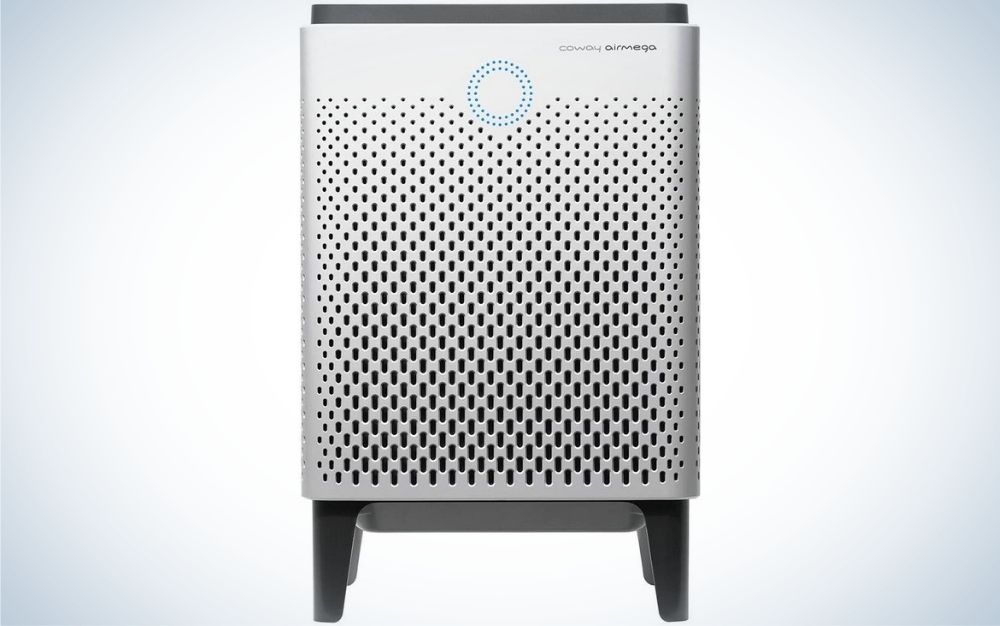
The Top Performer: Coway Airmega AP-1512HH Mighty
The Coway Airmega AP-1512HH Mighty is currently regarded as an exceptional, efficient, and affordable choice. It is powerful enough to clean large rooms while remaining quiet enough for use in bedrooms or playrooms. According to Wirecutter, this model is one of the highest-performing and most durable options available, with pricing ranging from $155 for the white model to $230 for the black version at retailers like Amazon and Walmart.
The Versatile Runner-Up: Coway Airmega 200M
For those who prefer a different aesthetic without sacrificing performance, the Coway Airmega 200M is virtually identical to the Mighty in terms of features and effectiveness. It serves as a reliable alternative, typically priced around $230 across major retailers.
The High-Power Alternative: Winix 5500-2
The Winix 5500-2 is noted for its strong overall performance, though it features a more “brutalist” design and lacks a display shutoff. It is a potent option for those prioritizing air scrubbing over aesthetics, with prices ranging from $207 (when bundled with filters) to $221.
The Quiet and Attractive Option: Blueair Blue Pure 311i Max
For users who prioritize a blend of quiet operation and modern design, the Blueair Blue Pure 311i Max is a strong contender. While its performance matches the top picks, potential buyers should be aware that the cost of replacement filters can be relatively high compared to other brands.
How to Choose the Right Purifier for Your Health Needs
When shopping for an air purifier, it is essential to match the machine to your specific environment. As noted by Forbes Vetted, the best choice often depends on whether you are fighting allergens, managing pet dander, or trying to remove smoke from the air.
Consider the following factors when making your selection:
- Room Size: Ensure the Clean Air Delivery Rate (CADR) is appropriate for the square footage of your space. A unit that is too small will fail to cycle the air frequently enough to be effective.
- Filter Type: Look for true HEPA filters if you are dealing with microscopic particles like viruses or fine smoke.
- Noise Levels: If the unit is for a bedroom, check the decibel levels on the lowest setting to ensure it does not disrupt sleep.
- Maintenance Costs: Check the price and lifespan of replacement filters. A low upfront cost can be offset by expensive annual filter replacements.
| Model | Primary Strength | Estimated Price | Best Use Case |
|---|---|---|---|
| Coway Airmega AP-1512HH | Efficiency & Value | $155 – $230 | General home use, bedrooms |
| Coway Airmega 200M | Performance & Style | $230 | Living rooms, open spaces |
| Winix 5500-2 | Raw Power | $207 – $221 | Heavy pollutant environments |
| Blueair Blue Pure 311i Max | Quiet Operation | Varies | Noise-sensitive areas |
Final Medical Perspective: Integration, Not Substitution
To be clear, I am not suggesting that you remove your houseplants. Plants provide significant mental health benefits, improve humidity levels, and develop a home experience more inviting. However, from a public health perspective, they should be viewed as complementary to—not a substitute for—mechanical air filtration.
If you are living in an area with poor outdoor air quality or have family members with respiratory sensitivities, the “90% toxin removal” claim associated with plants is not a reliable enough metric to entrust your health to. The verified capability of a HEPA filter to remove bacteria, viruses, and smoke is a scientifically grounded safeguard that provides measurable protection.
For those looking to optimize their indoor environment, the most effective strategy is a dual approach: maintain your greenery for your well-being and run a certified air purifier to ensure the air you breathe is clinically clean.
We find currently no latest government mandates regarding indoor air quality for residential homes, but healthcare providers continue to recommend high-efficiency filtration during peak allergy and wildfire seasons. We will continue to monitor updates from public health agencies regarding indoor air standards.
Do you rely on plants or mechanical purifiers for your home air quality? Share your experiences in the comments below or share this guide with someone looking to improve their indoor health.
Worth a look