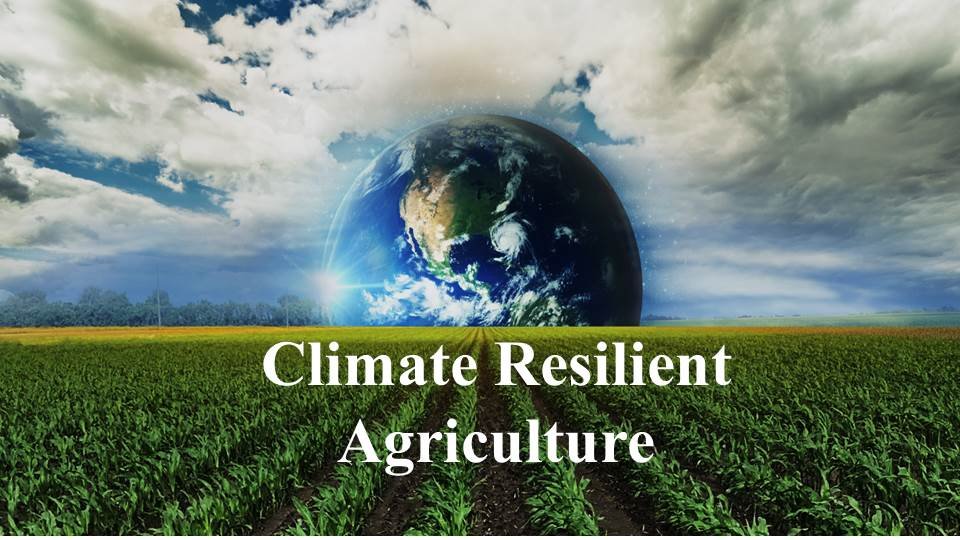
Morocco’s SIAM 2026 Agricultural Fair Draws Over 1 Million Visitors, Marking a Record Success
MEKNÈS, Morocco — The 16th edition of the International Agriculture Exhibition in Morocco (SIAM 2026) has concluded with unprecedented success, attracting more than 1 million visitors over its eight-day run in the historic city of Meknès. The event, which ran from April 20 to April 27, 2026, solidified its reputation as Africa’s largest agricultural fair, showcasing Morocco’s commitment to modernizing its farming sector while addressing global food security challenges.
Organized under the high patronage of King Mohammed VI, SIAM 2026 brought together over 1,500 exhibitors from 70 countries, including government officials, farmers, agribusiness leaders, and international investors. The fair’s theme, “Agriculture and Food Security: Resilience in a Changing World,” reflected Morocco’s strategic focus on building a sustainable and climate-adaptive agricultural ecosystem.
“This year’s record attendance underscores the growing global interest in Morocco’s agricultural innovations and its role as a leader in North African food security,” said a spokesperson for the Ministry of Agriculture, Maritime Fisheries, Rural Development, and Water and Forests. The ministry, which oversees SIAM, confirmed that the 2026 edition saw a 20% increase in visitors compared to the previous year, with significant participation from African, European, and Middle Eastern delegations.
A Platform for Innovation and Investment
SIAM 2026 served as a critical platform for launching novel initiatives and forging partnerships aimed at transforming Morocco’s agricultural sector. One of the fair’s most notable announcements was the signing of a €200 million financing agreement between the European Investment Bank (EIB) and Crédit Agricole du Maroc (GCAM) to support sustainable agricultural ecosystems in the country. The agreement, announced on April 24, will fund projects focused on water efficiency, climate resilience, and smallholder farmer support across Morocco’s rural regions.

“This partnership is a testament to Morocco’s vision for a greener, more inclusive agricultural future,” said EIB Vice-President Ricardo Mourinho Félix during the signing ceremony. “By investing in climate-smart agriculture, we are not only securing food supplies but also creating economic opportunities for rural communities.”
Crédit Agricole du Maroc, the country’s leading agricultural bank, also used SIAM 2026 to highlight its “Generation Green” strategy, a national roadmap for modernizing Morocco’s farming sector. The bank announced its role as the first financial partner of the strategy, committing to provide tailored financing solutions for young farmers, women-led agricultural cooperatives, and small-scale producers. “Our goal is to make agriculture more attractive to the next generation while ensuring environmental sustainability,” said Tarik Sijilmassi, CEO of Crédit Agricole du Maroc.
Educational Initiatives and Youth Engagement
A standout feature of SIAM 2026 was its focus on engaging younger generations in agriculture. Crédit Agricole du Maroc unveiled “Jnan Al Qard Al Filahi,” a dedicated educational space designed to teach children about farming, finance, and sustainability through interactive games and workshops. The initiative, which translates to “The Garden of Agricultural Credit,” attracted thousands of schoolchildren from across Morocco, offering hands-on activities such as seed planting, irrigation simulations, and financial literacy games.
“We believe that the future of agriculture lies in educating our youth about its importance,” said Sijilmassi. “By making learning fun and accessible, we hope to inspire the next generation of farmers and agri-entrepreneurs.” The initiative aligns with Morocco’s broader efforts to address rural depopulation and encourage young people to pursue careers in agriculture.
SIAM 2026 also featured the “Al Moutmir” initiative, a flagship program launched by the Mohammed VI Polytechnic University (UM6P) in partnership with the Ministry of Agriculture. The initiative aims to promote climate-resilient farming practices through research, technology transfer, and farmer training. At the fair, Al Moutmir showcased its latest innovations, including drought-resistant crop varieties, precision irrigation systems, and digital tools for farm management.
“Al Moutmir is about empowering farmers with the knowledge and tools they require to adapt to climate change,” said Dr. Hicham El Habti, President of UM6P. “Our presence at SIAM 2026 allowed us to connect directly with farmers and demonstrate how science can drive sustainable productivity.”
Global Participation and Trade Opportunities
SIAM 2026 attracted a diverse international audience, with pavilions representing countries such as France, Spain, Senegal, the United Arab Emirates, and Brazil. The fair facilitated bilateral meetings and trade agreements, with Morocco positioning itself as a hub for agricultural trade between Africa and Europe. The Moroccan government reported that over 500 business-to-business (B2B) meetings took place during the event, resulting in preliminary agreements worth an estimated $300 million.
One of the most anticipated moments of SIAM 2026 was the official launch of the “African Agricultural Marketplace,” a digital platform designed to connect African farmers with global buyers. The platform, developed by the African Development Bank (AfDB) in collaboration with Moroccan authorities, aims to reduce post-harvest losses and improve market access for smallholder farmers across the continent. “This initiative will revolutionize how African farmers trade their products,” said AfDB President Akinwumi Adesina during the launch event.
Addressing Food Security and Climate Change
Food security and climate resilience were central themes of SIAM 2026, reflecting Morocco’s strategic priorities under its “Generation Green” strategy. The fair hosted a series of high-level panels featuring policymakers, scientists, and industry leaders, who discussed solutions to challenges such as water scarcity, soil degradation, and the impact of climate change on global food systems.
Morocco, which has faced severe droughts in recent years, used the platform to highlight its achievements in water management. The country has invested heavily in desalination plants, drip irrigation systems, and water-saving technologies, positioning itself as a regional leader in sustainable water use. “Morocco’s experience in water management is a model for other countries facing similar challenges,” said World Bank Country Director Jesko Hentschel during a panel discussion.
The fair also underscored Morocco’s role in promoting South-South cooperation in agriculture. Through initiatives like the “Green Generation” program, Morocco has shared its expertise in agricultural development with countries across Africa, including Senegal, Côte d’Ivoire, and Ethiopia. SIAM 2026 provided a platform for these countries to showcase their own agricultural innovations and explore opportunities for collaboration.
A Legacy of Two Decades
SIAM, which celebrated its 20th anniversary in 2026, has evolved from a modest agricultural fair into a global event that shapes the future of farming in Africa and beyond. Over the past two decades, the fair has adapted to reflect Morocco’s shifting agricultural priorities, from food self-sufficiency in the early 2000s to climate resilience and digital transformation today.

“SIAM is more than just an exhibition; it is a reflection of Morocco’s agricultural journey,” said Mohamed Sadiki, Morocco’s Minister of Agriculture. “Each edition builds on the last, bringing together stakeholders from around the world to share knowledge, forge partnerships, and drive innovation.”
The success of SIAM 2026 has set the stage for future editions, with organizers already planning to expand the fair’s scope to include more African and Middle Eastern participants. The next edition, SIAM 2027, is expected to focus on digital agriculture and the role of artificial intelligence in farming, reflecting the sector’s rapid technological evolution.
What’s Next?
With SIAM 2026 now concluded, attention turns to the implementation of the agreements and initiatives announced during the fair. The €200 million financing agreement between the EIB and Crédit Agricole du Maroc is set to begin disbursing funds in the coming months, with the first projects expected to launch by the end of 2026. Meanwhile, the “African Agricultural Marketplace” will undergo pilot testing in Morocco and Senegal before its full rollout across the continent.
For those interested in staying updated on Morocco’s agricultural developments, the Ministry of Agriculture’s official website (www.agriculture.gov.ma) provides regular updates on policy initiatives, funding opportunities, and upcoming events. The next major agricultural event in Morocco is the “Green Week” conference, scheduled for November 2026 in Rabat, which will focus on sustainable farming practices and rural development.
As Morocco continues to position itself as a leader in agricultural innovation, SIAM 2026 has demonstrated the country’s ability to bring together global stakeholders to address some of the most pressing challenges of our time. With record attendance and a renewed focus on sustainability, the fair has set a new benchmark for agricultural exhibitions worldwide.
What do you think about Morocco’s role in shaping the future of agriculture? Share your thoughts in the comments below and join the conversation on social media using #SIAM2026.