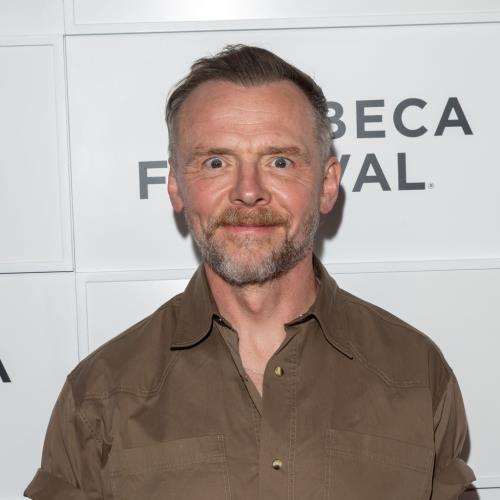
Actor Simon Pegg recently completed a swift, six-day film shoot that brought back memories of his early micro-budget collaborations with Edgar Wright and Nick Frost. Speaking about the rapid production schedule following his work on the massive blockbuster franchise Mission: Impossible, Pegg noted that the compressed timeline offered a refreshing return to stripped-down, independent filmmaking.
The accelerated schedule stands in stark contrast to the sprawling, multi-month production cycles typical of major Hollywood franchises. Pegg, widely recognized for his role as Benji Dunn alongside Tom Cruise in Paramount Pictures’ Mission: Impossible series, as well as his work on cult-classic comedies like Shaun of the Dead and Hot Fuzz, embraced the creative constraints of a six-day shoot.
For cinema fans and industry observers tracking how major stars balance tentpole action franchises with independent projects, the quick turnaround highlights a growing trend of actors seeking out nimble, low-pressure creative environments between massive studio commitments.
From Blockbuster Scale to Micro-Budget Roots
Producing a feature film in just six days requires a level of efficiency and trust rarely seen on major studio productions. According to interviews surrounding the project, the condensed production window forced cast and crew to rely heavily on practical decision-making and immediate instincts, stripping away the lengthy setup times associated with hundreds of millions of dollars in studio backing.
This rapid pace directly mirrored the DIY ethos of Pegg’s early career breakups with frequent collaborators Edgar Wright and Nick Frost. During their formative television and film projects, including the television sitcom Spaced and the comedy film Shaun of the Dead, the creative team routinely worked under tight financial and time constraints to bring their distinct comedic vision to the screen.
Industry analysts point out that actors accustomed to massive technical choreography in films like Mission: Impossible – Dead Reckoning often find creative rejuvenation in smaller, dialogue-driven or tightly focused independent features where the primary emphasis shifts away from complex visual effects and toward immediate character work.
The Logistics of a Six-Day Film Shoot
Executing a complete narrative feature in under a week demands meticulous pre-production planning and an exceptionally disciplined script. While major action franchises spend months capturing individual sequences across multiple international locations, a six-day schedule relies on limited settings, precise shot lists, and long working days for everyone involved.
Pegg’s ability to transition seamlessly between these opposing worlds underscores his longevity in the entertainment industry. Having spent over two decades navigating both high-end Hollywood blockbusters and British independent cinema, the actor has maintained a reputation for versatility across genres ranging from science fiction—such as Star Trek—to dark comedy and drama.
While official details regarding the specific title and release date of the six-day project continue to roll out through trade publications, the production has already drawn significant attention for its throwback approach to modern filmmaking.
What Comes Next for the Production
As the film moves through post-production, industry distributors and festival programmers are expected to eye the project for upcoming slate announcements. Further updates regarding release windows, streaming distribution, or festival premieres will be made available through official studio announcements and trade outlets.
What do you think about actors jumping from massive blockbusters to ultra-fast indie shoots? Share your thoughts in the comments below, and join the discussion with fellow film fans.
Keep reading