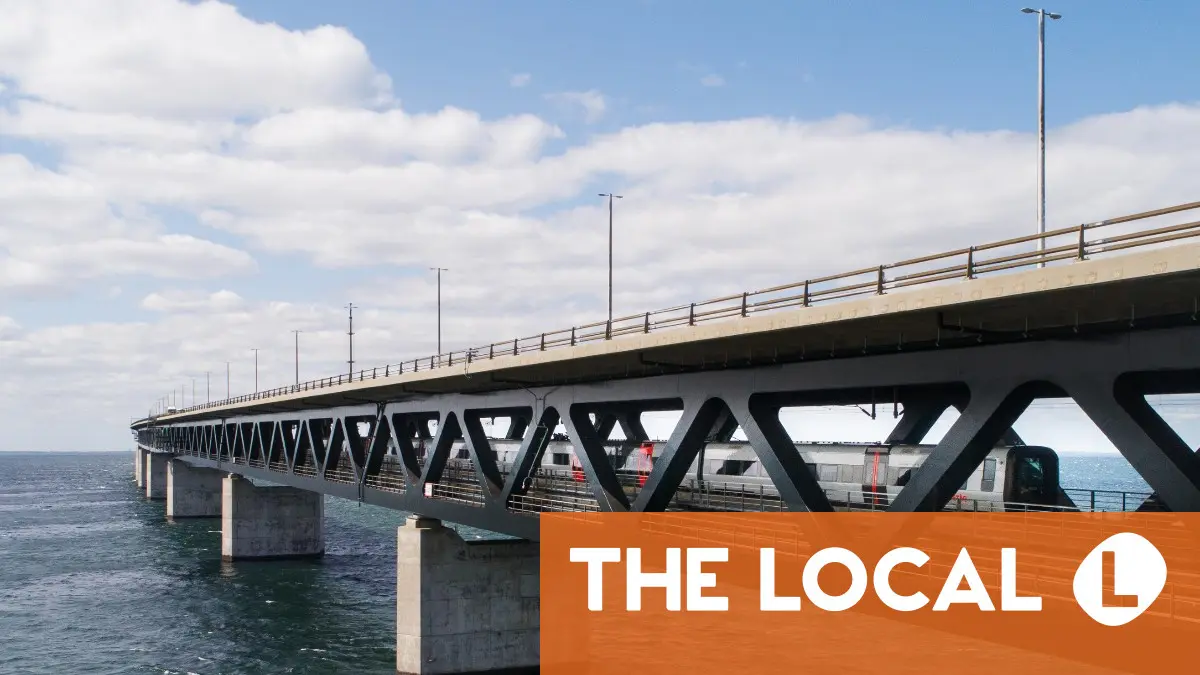
Commuters traveling between Sweden and Denmark will soon benefit from a 50% price reduction on monthly transit passes, following a decision by the Swedish government to extend national transport subsidies to cross-border routes. The policy, which aims to alleviate the financial burden on daily travelers across the Øresund Strait, confirms that the discount applies to specific monthly commuter tickets connecting the Skåne region in Sweden with Copenhagen, Denmark, according to statements from regional authorities.
This initiative arrives as part of a broader Swedish government effort to encourage public transport usage and support regional labor markets. For the thousands of residents who cross the border daily for employment, the reduction represents a significant adjustment to the cost of living. Regional officials in Skåne have been coordinating with national transport ministries to ensure that the administrative framework for these tickets—often involving complex integration between Skånetrafik and Danish transit operator DSB—supports the price adjustment.
Expanding the Scope of Transit Subsidies
The decision to include cross-border commuters followed extensive discussions between the Skåne Regional Council and national authorities in Stockholm. While initial proposals for transport subsidies were primarily focused on domestic travel within Sweden, regional leaders argued that the unique economic integration of the Øresund region necessitated an inclusive approach. By including the Copenhagen-bound routes, the government acknowledges the interconnected nature of the labor market in Southern Sweden and Eastern Denmark, as reported by Skånetrafik.

The subsidy is designed to apply to the monthly passes used by commuters who hold valid cross-border transit agreements. This policy shift is expected to lower the threshold for those considering public transport over private vehicle use, which currently faces high fuel costs and bridge tolls. According to the Øresund Bridge Consortium, the bridge remains a critical artery for regional mobility, and reduced transit costs are viewed as a method to stabilize commuter traffic volumes.
Impact on the Øresund Labor Market
The Øresund region serves as one of the most integrated cross-border labor markets in Europe. Thousands of workers commute daily from homes in Malmö, Lund, and Helsingborg to offices and industrial sites in the Danish capital. For these individuals, the cost of a monthly ticket is a primary household expense. Financial relief on these tickets is intended to maintain the competitiveness of the region as a unified economic zone.
Local government officials have noted that the price reduction is not merely a transport issue but an economic policy measure. By reducing the cost of entry into the Danish labor market for Swedish residents, the government hopes to sustain employment levels in sectors currently facing labor shortages. This aligns with broader European Union goals of promoting mobility within the Schengen Area, as outlined in the Nordic Council of Ministers policy framework regarding regional integration.
Implementation and Ticket Logistics
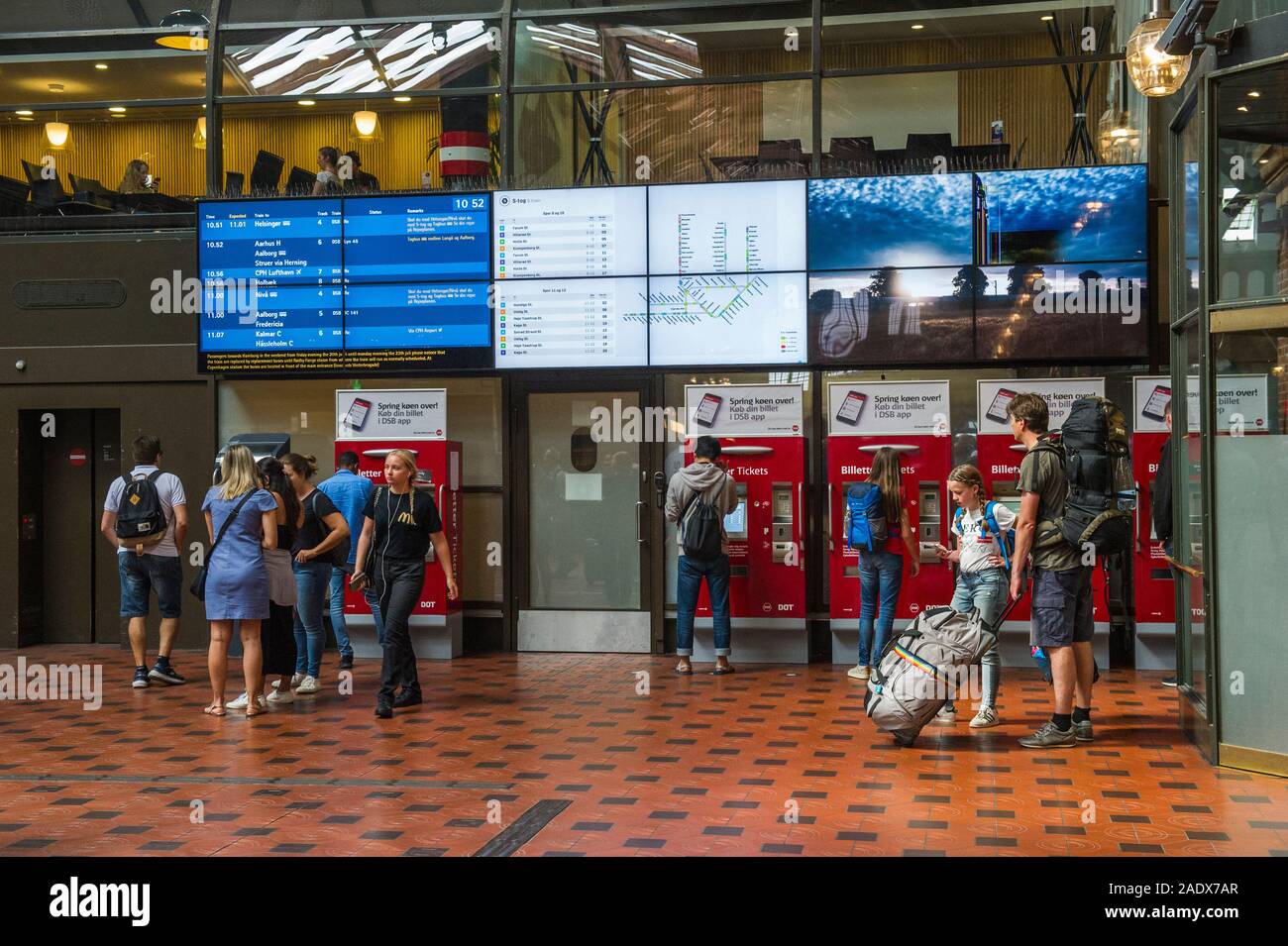
Implementing the discount requires technical coordination between Swedish and Danish ticketing systems. Commuters are advised that the half-price benefit will be reflected in the pricing of monthly passes purchased through official regional transit portals. Transit authorities have indicated that they are working to update digital ticketing systems to reflect the new rates automatically, preventing the need for manual rebates or complex application processes for current pass holders.
Travelers are encouraged to check the official Skånetrafik website for the latest updates on when the new pricing tiers will appear in the app and at ticket kiosks. While the government has confirmed the policy, the precise date for the rollout may vary slightly depending on the final integration of the billing software across the border. Authorities have emphasized that the subsidy will remain subject to periodic review based on budget allocations from the Swedish national budget.
Next Steps for Commuters
The next major milestone for this policy will be the official activation of the reduced rates within the digital booking systems, expected in the coming weeks. Commuters who have already purchased annual or long-term passes are currently awaiting official guidance from regional transport boards regarding potential partial refunds or credits. For those planning their transit budgets for the next quarter, monitoring the updates from the Skåne regional transport authority remains the most reliable method for confirming eligibility and start dates.
As the implementation proceeds, regional transport boards are expected to release a detailed FAQ to address specific scenarios for students, part-time workers, and those with existing multi-month contracts. We encourage our readers to share their experiences with the new pricing structure in the comments section below as the rollout begins across the region.