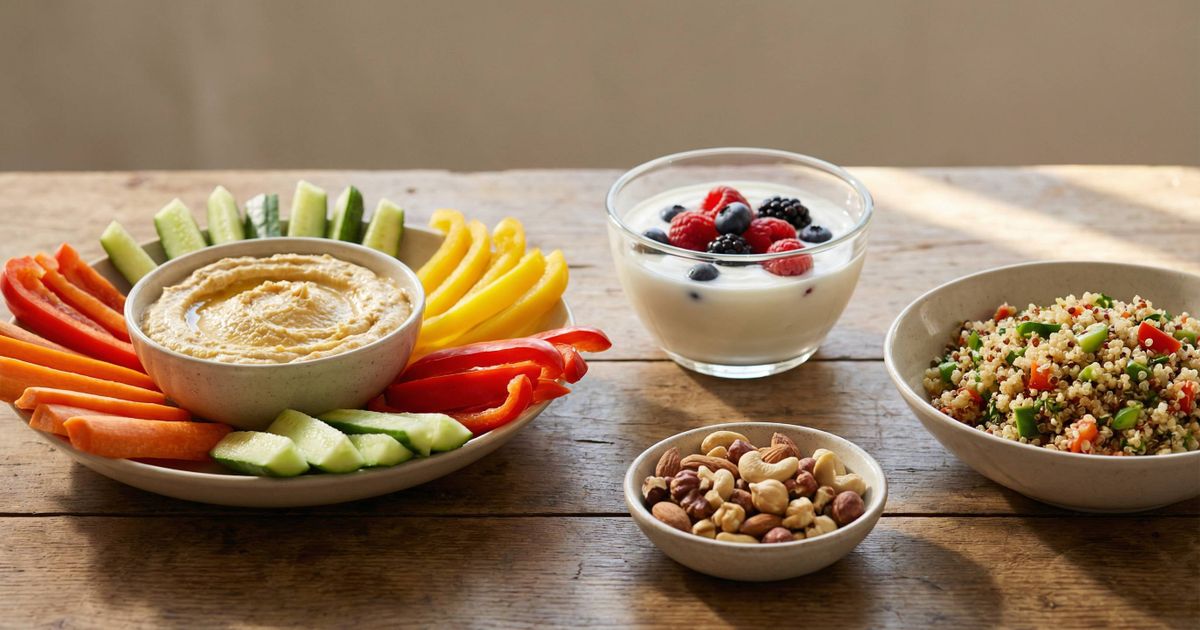
Snacking Your Way to Lower Blood Pressure: A Dietary Approach
High blood pressure, or hypertension, affects nearly half of all adults globally, significantly increasing the risk of heart disease, stroke, and kidney damage. Although medication is often necessary, growing evidence suggests that strategic snacking – incorporating foods rich in potassium, magnesium, calcium, fiber, and healthy fats – can measurably contribute to blood pressure reduction as part of a broader healthy lifestyle. This isn’t about deprivation; it’s about making informed choices that support cardiovascular health. The principles behind this approach align closely with established dietary patterns like the DASH (Dietary Approaches to Stop Hypertension) and Mediterranean diets, both lauded for their heart-protective benefits.
The prevalence of hypertension is a significant public health concern. According to the Centers for Disease Control and Prevention (CDC), nearly 120 million U.S. Adults have high blood pressure, and many are unaware of their condition. Left unmanaged, hypertension silently damages blood vessels, forcing the heart to work harder and increasing the risk of serious health complications. Diet plays a crucial role, with factors like sodium and saturated fat intake, alongside the consumption of essential minerals and fiber, having a profound impact on blood pressure levels.
Understanding the DASH Diet and its Impact
The DASH diet, originally developed through research funded by the National Heart, Lung, and Blood Institute (NHLBI), is specifically designed to lower blood pressure. It emphasizes reducing sodium intake while increasing foods rich in potassium, magnesium, and calcium – nutrients known to help regulate blood pressure. The diet isn’t simply a low-sodium plan; it’s a holistic approach to eating that prioritizes whole, unprocessed foods. Key components include plenty of fruits and vegetables, whole grains, lean protein sources like fish and poultry, low-fat dairy, and healthy fats.
Research consistently demonstrates the effectiveness of the DASH diet. Studies have shown that adhering to the DASH diet can lower systolic blood pressure (the top number) by several millimeters of mercury (mmHg). While a reduction of even a few mmHg might seem modest, population-level studies indicate that even a 2 mmHg decrease in systolic blood pressure can significantly reduce the risk of cardiovascular events. The benefits are most pronounced in younger individuals, those with significantly elevated blood pressure, and those who consume high amounts of sodium.
19 Blood Pressure-Friendly Snacks to Incorporate
The concept of incorporating blood-pressure-lowering snacks draws heavily from the principles of both the Mediterranean and DASH diets. Here’s a look at 19 options, categorized for ease of integration into your daily routine:
Nut & Seed Powerhouses
- Almonds: A handful (approximately 23 almonds) provides a good source of magnesium, which helps blood vessels relax.
- Walnuts: Rich in omega-3 fatty acids, walnuts contribute to overall cardiovascular health.
- Chia Seeds: These tiny seeds are packed with fiber, potassium, and magnesium. Add them to yogurt or smoothies.
- Pumpkin Seeds: Another excellent source of magnesium, potassium, and zinc.
- Cashews: Provide magnesium and healthy fats, but consume in moderation due to their higher fat content.
Fruit & Dairy Combinations
- Banana with Peanut Butter: Bananas are high in potassium, and peanut butter provides protein and healthy fats.
- Berries with Greek Yogurt: Greek yogurt is a good source of calcium, and berries are rich in antioxidants.
- Apple Slices with Almond Butter: A satisfying combination of fiber, healthy fats, and vitamins.
Legume & Vegetable Delights
- Hummus with Raw Vegetables: Hummus, made from chickpeas, is a good source of fiber and potassium. Pair it with carrots, celery, or bell peppers.
- Edamame: Steamed edamame (soybeans) are a complete protein source and provide fiber and potassium.
- Roasted Chickpeas: A crunchy and flavorful snack packed with fiber and protein.
Whole Grain & Healthy Fat Options
- Avocado on Whole-Grain Toast: Avocado provides healthy fats and potassium, while whole-grain toast offers fiber.
- Oatmeal: A warm and filling snack rich in soluble fiber, which can help lower cholesterol.
- Quinoa Salad: A versatile grain that can be combined with vegetables, beans, and a light vinaigrette.
Treats in Moderation
- Dark Chocolate (70% cacao or higher): Contains flavonoids that may improve blood vessel function. Enjoy in small portions.
Other Beneficial Snacks
- Beetroot: Contains nitrates, which the body converts to nitric oxide, helping to relax blood vessels.
- Hibiscus Tea: Some studies suggest hibiscus tea may help lower blood pressure.
- Pistachios: A good source of potassium and antioxidants.
- Sweet Potato: Rich in potassium and fiber.
Beyond Snacking: A Holistic Approach to Blood Pressure Management
While these snacks can be a valuable addition to a blood pressure-lowering strategy, they are not a substitute for medical treatment or a comprehensive lifestyle overhaul. It’s crucial to consult with a healthcare professional to determine the best course of action for managing hypertension.
Beyond dietary changes, other important lifestyle factors include:
- Regular Exercise: Aim for at least 150 minutes of moderate-intensity aerobic exercise per week.
- Stress Management: Practice relaxation techniques such as yoga, meditation, or deep breathing exercises.
- Weight Management: Maintaining a healthy weight can significantly lower blood pressure.
- Limiting Alcohol Consumption: Excessive alcohol intake can raise blood pressure.
- Quitting Smoking: Smoking damages blood vessels and increases the risk of heart disease.
The American Heart Association emphasizes the importance of a heart-healthy lifestyle, including a balanced diet, regular physical activity, and stress management, to prevent and manage hypertension.
Small Changes, Significant Impact
Incorporating these snacks into your diet isn’t about strict rules or deprivation. It’s about making small, sustainable changes that can collectively contribute to improved cardiovascular health. For individuals struggling with broader dietary changes, focusing on snack choices can be an accessible entry point to a healthier lifestyle. By consciously choosing nutrient-rich snacks over processed, high-sodium options, you can take a proactive step towards managing your blood pressure and reducing your risk of heart disease.
The next step in managing your blood pressure is to schedule a check-up with your physician to discuss your individual risk factors and develop a personalized plan. We encourage you to share your experiences with healthy snacking in the comments below and to share this article with anyone who might benefit from this information.
Keep reading
- Why Canned Sardines Are the New Global Trend: Health Benefits, Gen Z Appeal, and Style
- Seoul Metropolitan Government Launches First Medical Tourism Supporters Program
- New Ultrasound Technique Breaches Blood-Brain Barrier to Treat Gliomas (newsdirectory3.com)
- Causes and Prevention of Leg Edema and Blood Stasis (world-today-news.com)