
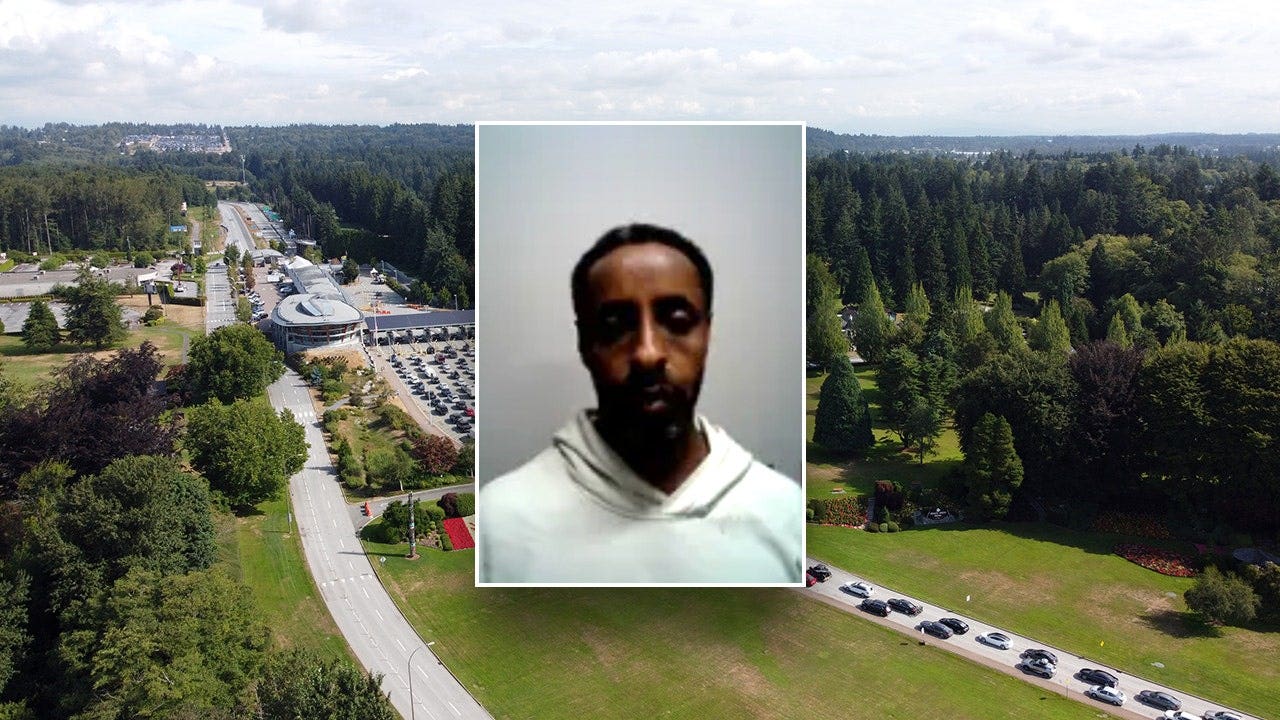
U.S. Customs and Border Protection officers arrested a Somali national near the U.S.-Canada border earlier this month, linking him to a 2012 piracy incident and an outstanding warrant for passport fraud. The individual, identified as Said Jama Ahmed, was taken into custody in North Dakota after being spotted by an off-duty Royal Canadian Mounted Police officer walking southbound with a backpack a few miles north of the border on April 14, 2026. Approximately two hours later, a U.S. Border Patrol agent apprehended him, according to Department of Homeland Security officials.
The arrest has drawn criticism from DHS leadership, which attributes the incident to what it describes as weak border policies under the Biden administration. Acting Assistant Secretary Lauren Bis stated that the policies allowed Ahmed to enter and remain in the United States despite multiple prior encounters with law enforcement. Her comments were made in a public statement released by the Department of Homeland Security on April 25, 2026, following the arrest.
Federal authorities confirmed that Ahmed’s fingerprints matched records collected during a U.S. Navy operation in the Gulf of Aden in 2012, where the USS Halsey responded to a distress call from an Indian-flagged vessel hijacked by suspected Somali pirates. This connection was cited by DHS as evidence linking Ahmed to maritime piracy activities over a decade ago. The Navy operation was part of international efforts to combat piracy off the Horn of Africa during that period.
Ahmed is currently being held in North Dakota on charges related to illegal entry into the United States. He also faces an outstanding warrant for passport fraud, which predates his most recent apprehension. Law enforcement officials have not disclosed additional details about the nature of the passport fraud allegation or the jurisdiction that issued the warrant, pending further investigation.
The incident has reignited debate over northern border security, particularly in remote areas where surveillance and patrol resources are more limited compared to the southern border. Officials noted that the apprehension occurred in a sparsely populated region of northern North Dakota, highlighting challenges in monitoring cross-border movements in such terrains.
According to DHS, the coordination between U.S. And Canadian law enforcement played a key role in the arrest. The initial sighting by the off-duty RCMP officer triggered a bilateral response that led to Ahmed’s detention by U.S. Agents. This interagency cooperation was cited as a model for future border enforcement efforts, even as critics argue systemic vulnerabilities remain.
Legal experts note that individuals apprehended for illegal entry may face removal proceedings unless they qualify for asylum or other forms of relief. However, prior criminal history, including allegations related to terrorism or organized crime, can significantly affect eligibility for such protections. In Ahmed’s case, the piracy linkage introduces a potential national security dimension to his case, though no formal terrorism-related charges have been filed as of the date of this report.
The U.S. Department of Justice has not yet announced whether federal prosecutors will pursue additional charges beyond immigration violations. Typically, cases involving suspected ties to international criminal activity are reviewed for potential prosecution under federal statutes related to material support for terrorism or transnational crime, depending on available evidence.
As of April 25, 2026, Ahmed remains in custody in North Dakota awaiting further legal proceedings. His next court appearance has not been publicly scheduled, and no official date has been set for a bond hearing or initial arraignment. Immigration court dockets in the region are managed by the Executive Office for Immigration Review, which oversees removal proceedings nationwide.
This case underscores the complexities of enforcing immigration laws in areas with limited infrastructure and the importance of intelligence-sharing between domestic and international partners. It also highlights how past incidents involving maritime security can resurface years later through biometric identification systems used by U.S. Law enforcement.
For ongoing updates on this case, members of the public are encouraged to monitor official announcements from the Department of Homeland Security and U.S. Customs and Border Protection. Those seeking information on immigration court proceedings can consult the Executive Office for Immigration Review’s public case status system, which provides real-time updates on scheduled hearings and case outcomes.
What are your thoughts on how northern border security should be strengthened in light of incidents like this? Share your perspective in the comments below, and help spread awareness by sharing this article with others who follow immigration and national security issues.