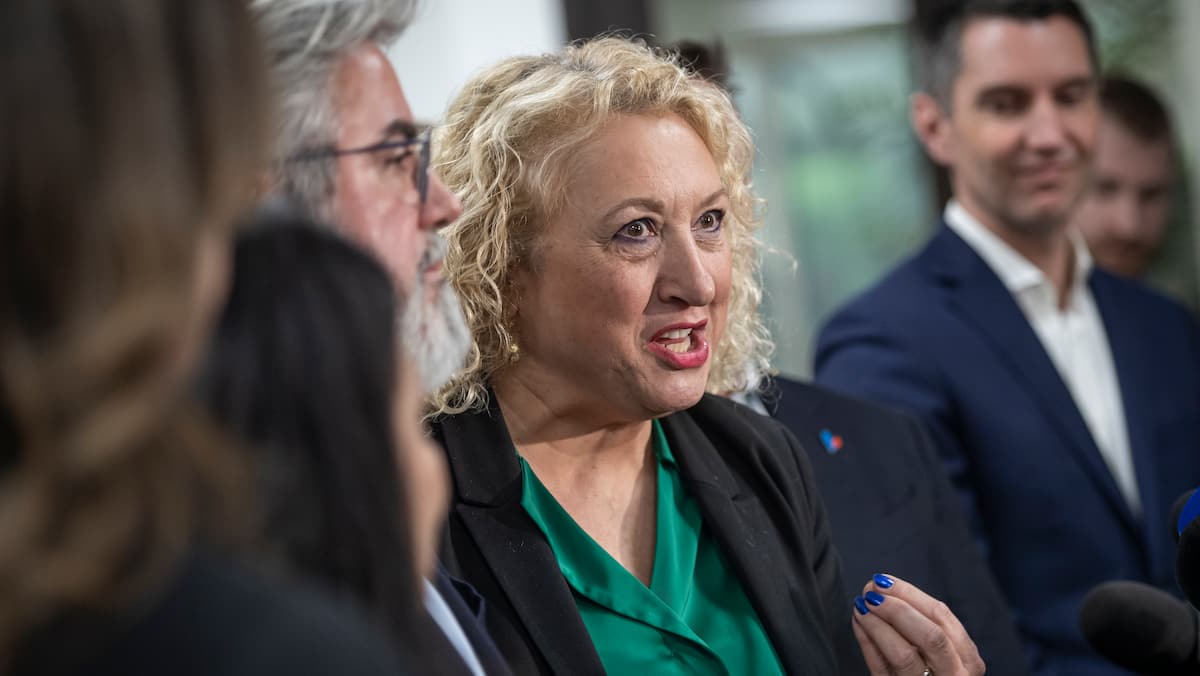
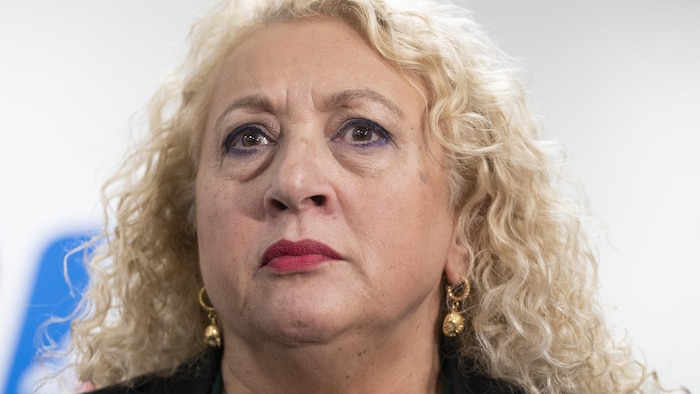
The Parti Libéral du Québec (PLQ) is grappling with a crisis of internal governance and transparency following revelations that a high-profile internal investigation was fundamentally incomplete. At the center of the storm is Sona Lakhoyan Olivier, a former party figure whose lifetime ban from the organization has sparked a wider debate over how political parties handle misconduct and the efficacy of “independent” internal probes.
The controversy intensified after it emerged that former judge Fournier, who was tasked with leading the internal inquiry, failed to review a significant portion of the messages exchanged by Lakhoyan Olivier. This oversight has cast a shadow over the findings of the report, leading critics to describe the results as superficial and insufficient given the gravity of the allegations involved.
For the PLQ, a party already fighting to regain its footing in the Quebec political landscape, the situation represents more than just a personnel dispute. It highlights a systemic tension between the desire for internal discipline and the necessity for exhaustive, transparent accountability. The decision by party leadership to impose a lifetime membership revocation, while intended to signal a “zero tolerance” approach, has instead reopened questions about the integrity of the process that led to that decision.
As an editor who has covered international political scandals for over 16 years, I have seen this pattern before: a party attempts to “clean house” through a curated internal review, only for the gaps in that review to become the primary story. In the case of the PLQ, the failure to consult all digital evidence suggests a probe that may have been designed to reach a conclusion rather than to uncover the full truth.
The Fournier Investigation: A Flawed Process
The appointment of a former judge to lead an internal investigation is a standard move for organizations seeking to project an image of impartiality. However, the utility of such an appointment depends entirely on the scope of the mandate and the access granted to evidence. In this instance, the investigation led by former judge Fournier has been criticized as “lapidary”—a term suggesting the report was overly brief and lacked the necessary depth to address the complexities of the case.
The most damaging revelation is the admission that not all of Sona Lakhoyan Olivier’s messages were consulted. In the modern era of political communication, where encrypted apps and digital trails often hold the “smoking gun,” omitting a subset of communications is a critical failure. This gap in evidence means that the conclusions drawn in the Fournier report may be based on a partial narrative, potentially omitting context or contradictory evidence that could have altered the outcome.
This procedural failure undermines the legitimacy of the party’s subsequent disciplinary actions. When a political entity uses an internal report to justify a permanent ban—one of the most severe penalties a party can impose on a member—the evidentiary basis must be beyond reproach. By failing to conduct a comprehensive digital forensic review, the PLQ has left itself vulnerable to claims that the process was a formality rather than a fair inquiry.
The Ethics Commissioner’s Intervention
While the internal party probe faltered, the external oversight provided by the Ethics Commissioner offered a different, though equally stern, perspective. The Commissioner’s findings resulted in a formal blame (blâme) directed at Sona Lakhoyan Olivier, focusing on breaches of ethical standards expected of those associated with the party and the public trust.
The Ethics Commissioner’s role in Quebec politics is to ensure that the conduct of elected officials and their associates adheres to strict guidelines designed to prevent conflicts of interest and maintain the integrity of democratic institutions. The issuance of a formal reprimand is a significant administrative action, signaling that Lakhoyan Olivier’s actions were not merely a violation of internal party rules, but a breach of broader ethical mandates. You can find more information on the general mandates of ethics oversight in the Commissaire à l’éthique et à la gouvernance publique official portal.
The intersection of the Commissioner’s reprimand and the party’s internal probe created a “pincer effect” for Lakhoyan Olivier. While the party’s internal report was flawed, the external ethical condemnation provided the political cover necessary for the PLQ leadership to move toward the most extreme disciplinary measure available: the permanent revocation of her membership.
Charles Milliard and the Lifetime Ban
Charles Milliard, the President of the Parti Libéral du Québec, has taken a hardline stance in this affair. In a move designed to purge the party of perceived toxicity and restore public confidence, Milliard revoked Sona Lakhoyan Olivier’s membership card for life. This action is rare in Canadian provincial politics and serves as a powerful, if polarizing, signal to the party’s base and the general electorate.
Milliard’s strategy appears to be one of total dissociation. By banning Lakhoyan Olivier for life, the PLQ is attempting to draw a definitive line between the party’s future and the controversy surrounding her conduct. However, this “scorched earth” approach is complicated by the fact that the internal investigation used to justify the ban was incomplete. If the foundational evidence (the Fournier report) is seen as flawed, the punishment may be viewed by some as disproportionate or politically motivated.
The internal friction within the PLQ is evident. While the leadership wants the matter settled, voices within the party and among observers suggest that the file is “far from closed.” The tension lies in whether a lifetime ban is a just punishment for the verified facts, or if the incomplete nature of the investigation means that the full extent of the situation—and the potential involvement of others—has yet to be uncovered.
Why This Matters for Political Accountability
The Sona Lakhoyan Olivier case is a case study in the dangers of the “internal review” model. When political parties conduct their own investigations into misconduct, there is an inherent conflict of interest: the party is both the prosecutor and the judge, and its primary goal is often reputation management rather than truth-seeking.
For a global audience, this story reflects a broader trend in democratic governance where the line between party discipline and due process becomes blurred. The key questions remaining are:
- Was the failure to consult all messages an oversight or a deliberate choice? If the investigation was intentionally limited, it suggests a desire to avoid discovering information that might implicate other party members or leadership.
- Does a lifetime ban hold up under legal scrutiny? In many jurisdictions, the revocation of membership in a political organization can be challenged if the process used to reach that decision is proven to be unfair or biased.
- What is the precedent for future misconduct? By relying on a “lapidary” report to issue a lifetime ban, the PLQ may be setting a precedent where the process is secondary to the desired political outcome.
The impact extends to the voters of Quebec. In an era of deep cynicism toward political institutions, the perception that a party can “self-investigate” and then hide evidence (intentionally or not) while imposing severe penalties only deepens the trust deficit. Accountability is not achieved by simply removing a problematic individual; it is achieved by demonstrating that the process used to remove them was transparent, exhaustive, and fair.
Timeline of the Controversy
To understand the trajectory of this case, it is helpful to look at the sequence of events that led to the current impasse:
| Event | Action/Outcome | Significance |
|---|---|---|
| Internal Probe Launch | Former Judge Fournier appointed to lead inquiry. | Attempt to establish an “independent” internal review. |
| Ethics Review | Ethics Commissioner issues a formal reprimand (blâme). | External verification of ethical breaches. |
| Report Release | Fournier report is issued; described as “lapidary.” | Initial findings are presented, but later questioned. |
| Evidence Gap Revealed | Discovery that not all messages were reviewed. | The integrity of the entire internal probe is compromised. |
| Membership Revocation | Charles Milliard bans Lakhoyan Olivier for life. | Maximum disciplinary action taken by the PLQ. |
The Path Forward: Is the Case Truly Closed?
Despite the lifetime ban and the finality of Charles Milliard’s decision, the Sona Lakhoyan Olivier dossier remains a live issue. The admission that the internal investigation was incomplete creates a legal and political opening for the case to be reopened. If new evidence emerges from the unconsulted messages, it could potentially exonerate certain claims or, conversely, implicate others within the party hierarchy.
For the PLQ, the next step is not just about managing one individual, but about reforming how they handle internal ethics. The party must decide if it will stand by a flawed report or if it will commit to a truly transparent audit of the events. Until the “missing messages” are accounted for, the cloud of uncertainty will continue to hang over the party’s leadership.
The broader implication for Quebec politics is a renewed call for independent, third-party oversight of political party conduct, rather than relying on internal probes led by former officials who may be perceived as too close to the establishment.
The next confirmed checkpoint in this saga will be the potential for legal challenges regarding the membership revocation and any further statements from the Ethics Commissioner’s office regarding the implementation of the reprimand. We will continue to monitor official filings and party announcements for updates on this developing story.
What do you think about the use of internal investigations to handle political misconduct? Should parties be required to use fully independent third-party auditors for such probes? Share your thoughts in the comments below.
Worth a look