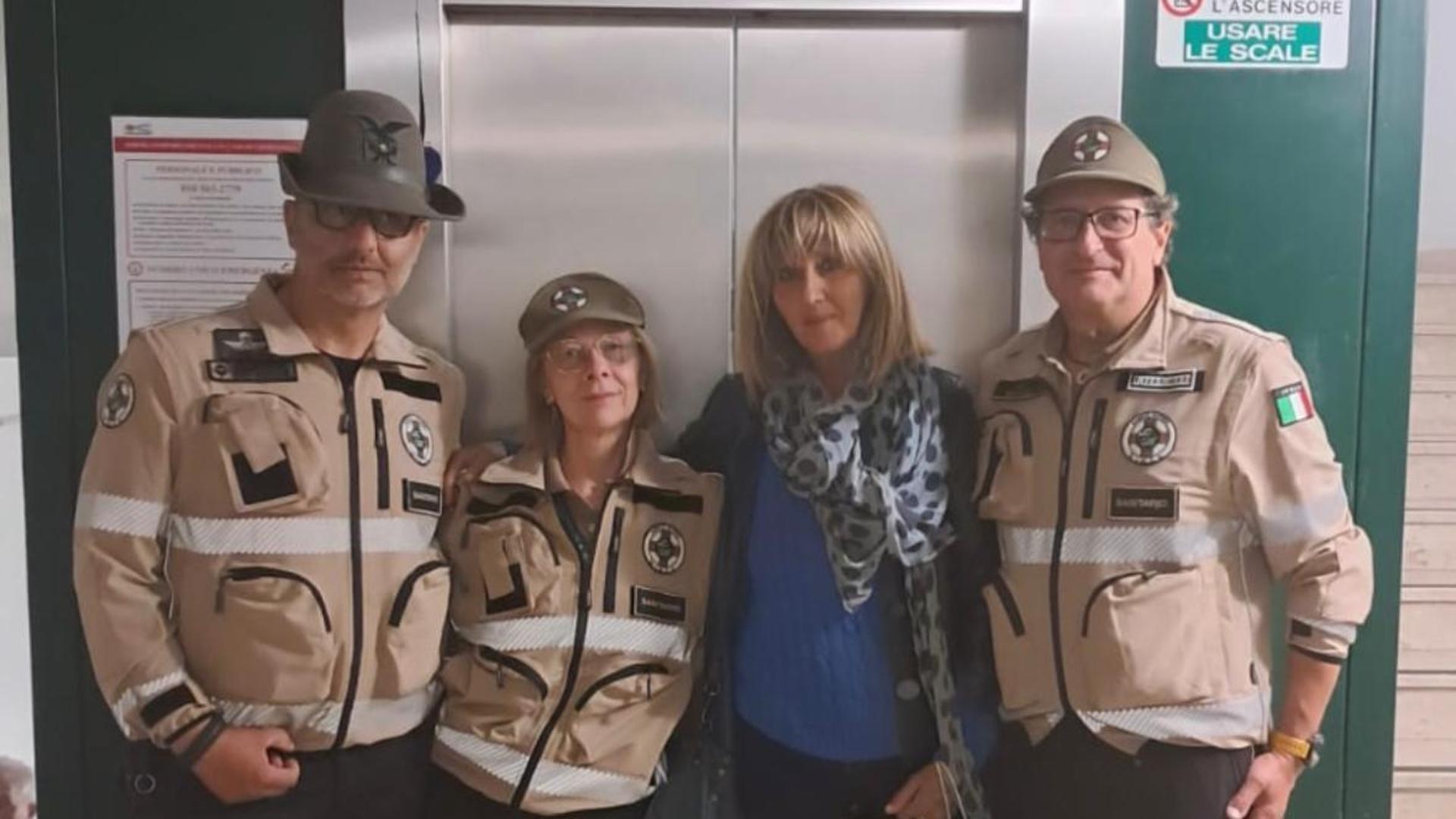
In the bustling streets of Genoa, where the urban landscape meets the Mediterranean, a sudden medical emergency recently transformed a routine day into a harrowing struggle for survival. Raffaele Scribanis, a retired pediatrician, collapsed unexpectedly, falling victim to a sudden cardiac arrest. In those critical first minutes—where the difference between life and death is measured in seconds—the intervention of three strangers proved to be the deciding factor.
The rescuers were not medical doctors, but members of the Alpini, Italy’s elite mountain infantry. Recognizing the signs of a myocardial infarction and subsequent cardiac arrest, the three soldiers immediately stepped in to provide life-saving assistance. Their rapid response and precise application of cardiopulmonary resuscitation (CPR) maintained blood flow to the brain and vital organs until emergency medical services could arrive on the scene.
For Cristina Campana, the wife of Mr. Scribanis, the event was a waking nightmare that ended in a miracle. Visibly moved while recounting the ordeal, she described the soldiers not merely as rescuers, but as “angels” who returned her husband to her. This incident underscores a fundamental truth in emergency medicine: the “Chain of Survival” depends heavily on the willingness and ability of bystanders to act before professional help arrives.
As a physician and health editor, I have seen countless cases where the outcome of a cardiac event was determined by the proximity of a trained individual. The story of Raffaele Scribanis is a powerful testament to the efficacy of first-responder training and the profound impact of civic duty in public health.
The Critical Window: Why Immediate Intervention Matters
To understand why the actions of the three Alpini were so decisive, one must understand the physiology of a cardiac arrest. Unlike a heart attack, which is a “plumbing problem” (a blocked artery), cardiac arrest is an “electrical problem” where the heart suddenly stops beating. When the heart ceases to pump, oxygenated blood stops reaching the brain, and unconsciousness occurs almost instantly.
In these scenarios, the brain can only survive for a few minutes without oxygen. Medical consensus indicates that for every minute that passes without CPR or defibrillation, the probability of survival drops by approximately 7% to 10%. By initiating chest compressions immediately, the Alpini soldiers acted as a manual pump, forcing blood through the circulatory system and preventing permanent neurological damage.
The “Chain of Survival,” a concept championed by global health organizations, consists of four key links: early recognition of the arrest, immediate high-quality CPR, rapid defibrillation, and advanced post-cardiac arrest care. In Genoa, the first two links were forged by the soldiers, creating a bridge of viability that allowed the ambulance crew to successfully stabilize Mr. Scribanis.
The Role of Specialized Training in Public Spaces
The Alpini are renowned not only for their mountaineering prowess but for their rigorous training in first aid and emergency response. Operating in remote, high-altitude environments where hospitals are hours away, these soldiers are trained to manage trauma and medical crises independently. This specialized training transitioned seamlessly from the mountains to the city streets of Genoa.
The ability to remain calm under pressure is as critical as the technical knowledge of how to perform compressions. In a crowded public space, the “bystander effect”—a psychological phenomenon where individuals are less likely to offer help when others are present—often delays life-saving care. The Alpini’s military discipline likely overcame this hesitation, allowing them to take command of the situation and coordinate the rescue efforts effectively.
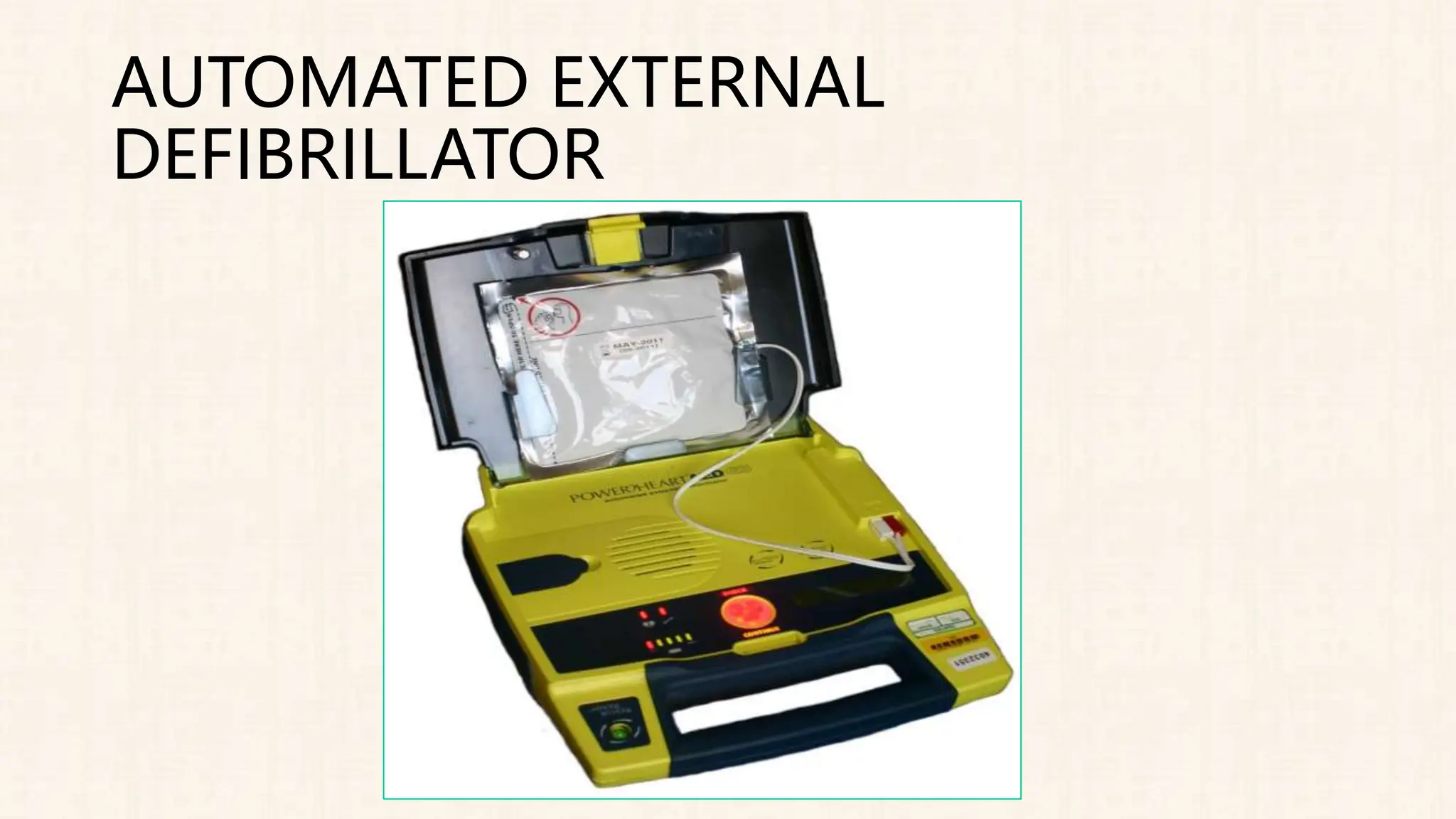
This event highlights a growing need for expanded public access to CPR and Automated External Defibrillator (AED) training. While the Alpini were uniquely prepared, the survival rate for out-of-hospital cardiac arrests would increase significantly if a larger percentage of the general population felt confident in performing basic life support.
A Family’s Gratitude and the Human Element of Medicine
Beyond the clinical success of the resuscitation, the emotional aftermath of the event reveals the deep human connection forged during crises. Cristina Campana’s gratitude reflects the profound relief of a spouse who witnessed the brink of loss. For the family of a retired pediatrician—a man who spent his career saving the lives of children—there is a poetic symmetry in his own life being saved by the selfless actions of others.
The interaction between the civilian population and the military in this context serves as a reminder of the military’s role in civil protection and community safety. The soldiers did not act out of a formal mandate, but out of a fundamental sense of duty to a fellow citizen.
Key Takeaways for Cardiac Emergency Response
- Recognize the Signs: Sudden collapse, loss of consciousness, and cessation of normal breathing are primary indicators of cardiac arrest.
- Act Rapid: Call emergency services immediately and begin chest compressions. Do not wait for professional help to arrive before starting CPR.
- Push Hard and Fast: Effective CPR requires deep compressions in the center of the chest at a rate of 100–120 beats per minute.
- Seek an AED: If available, an Automated External Defibrillator can restart the heart’s electrical rhythm and is the most effective way to reverse cardiac arrest.
Public Health Implications: Moving Toward a “Heart-Safe” Society
The rescue of Raffaele Scribanis should serve as a catalyst for discussing how cities can become more “heart-safe.” Many European cities are increasing the installation of public AEDs in transit hubs, shopping centers, and plazas. When combined with widespread bystander training, these tools can transform a fatal event into a survivable one.
From a healthcare policy perspective, integrating basic life support training into school curriculums and workplace safety mandates is essential. The expertise displayed by the Alpini should not be the exception, but rather the blueprint for how we prepare our citizens to handle medical emergencies in the public sphere.
For those interested in learning these skills, many national health services and organizations like the International Federation of Red Cross and Red Crescent Societies offer certified courses in CPR and first aid. Taking a few hours to learn these techniques can literally mean the difference between a tragedy and a miracle for someone else.
As Mr. Scribanis continues his recovery, his story remains a beacon of hope and a reminder of the bravery of the three soldiers who refused to stand by. It is a victory for quick thinking, rigorous training, and the enduring spirit of human compassion.
We will continue to monitor updates regarding Mr. Scribanis’s recovery and any official commendations issued to the responding Alpini members. We invite our readers to share their own experiences with first responders or their thoughts on increasing public CPR training in the comments below.
Related reading